
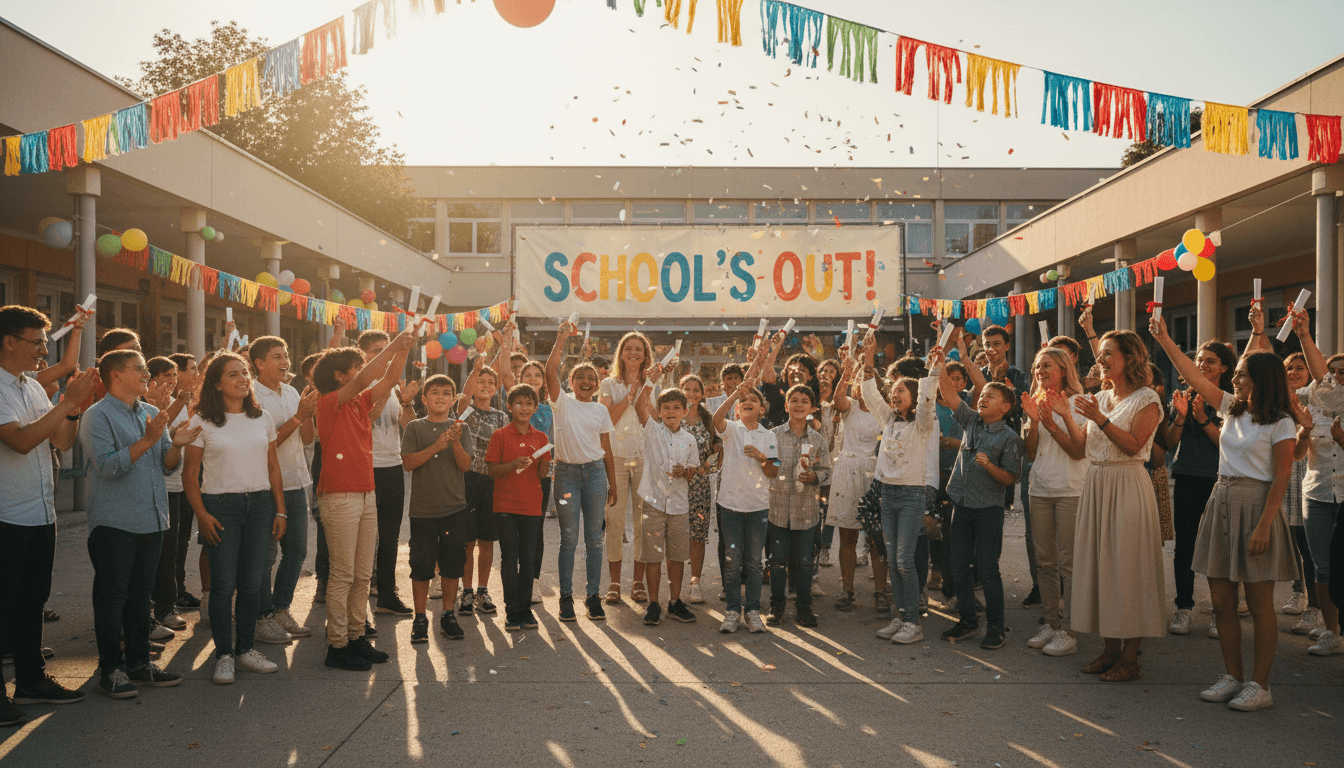
Class Promotion Newsletter: What to Tell Families About Moving Up
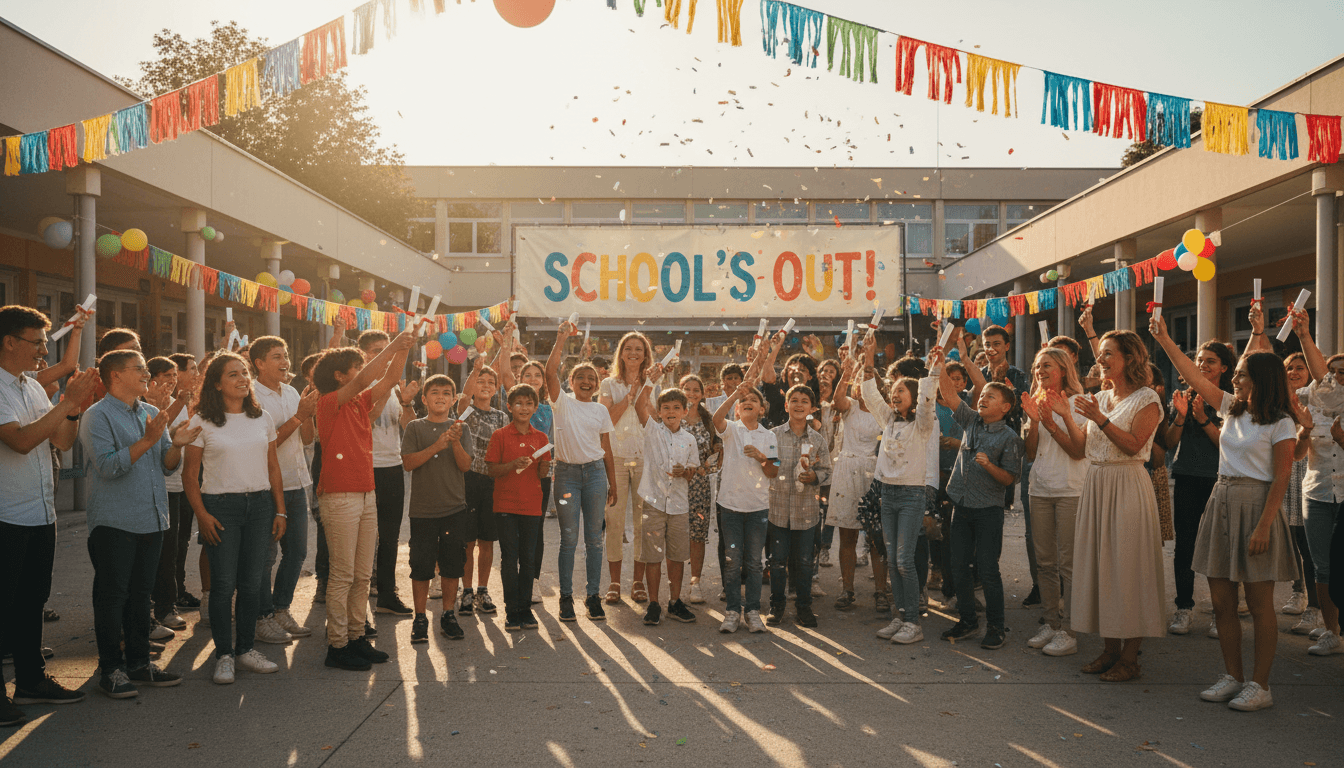
Families do not take grade promotion for granted, even when their child has had a perfectly typical year. A class promotion newsletter confirms what is happening, prepares families for the next step, and catches the questions before they become phone calls.
Here is how to write it well.
Confirm Promotion Before Anything Else
Open with the fact. "Students in our class have been promoted to [next grade] for the 2026-2027 school year." That one sentence answers the question every family is reading to find.
If there are students who were not promoted, note that "families of students whose situation differs have been contacted directly." This sentence acknowledges that individual situations exist without disclosing them and gives those families privacy.
Tell Families When They Will Learn Their Child's Teacher
Teacher placement is the next question on every parent's mind after promotion. Give a specific date or a specific process, not "soon" or "before school starts."
"Teacher assignments for next year will be mailed home during the week of August 10th. If you have not received yours by August 14th, contact the office at [phone or email]."
Families who know when to expect the assignment stop checking the mail with anxiety every day.
Describe What the Next Grade Looks Like
A brief, honest paragraph about the academic and social expectations of the next grade helps families understand what their child is stepping into. Not a curriculum overview. What the year will feel like.
"Third grade is where reading shifts from learning to read to reading to learn. Science and social studies become more content-heavy. Students are expected to manage longer homework assignments and work more independently. Most kids rise to it. It helps to know it is coming."
That paragraph tells parents three concrete things without overwhelming them. It also positions the school as honest and forthcoming, which builds trust.
Give Families One Concrete Summer Bridge Activity
Not a list of recommended resources. One thing. The thing that matters most for the transition.
For most grade transitions, it is reading. "The single best preparation for third grade is reading for 20 minutes a day, three or four days a week over the summer. The books can be anything your child wants. The goal is to keep their fluency from fading."
A specific, low-pressure recommendation gets followed. A list of seven summer enrichment options is consulted and ignored.
Address Supply Fees or Registration for Next Year
If there are forms, fees, or registration steps that need to happen before the fall, include them here with deadlines. Families who are already reading the promotion newsletter are in a planning mindset. That is the right moment to give them the next-year action items.
"Fall 2026-2027 supply fee of $35 is due by August 22nd. Pay online at [link] or by check at the office, which reopens August 4th."
Close on a High Note
A promotion newsletter ends the academic year. Close it the way a good chapter ends: with a real sense of what was accomplished and genuine optimism about what comes next.
"Your child worked hard this year. They are ready. Have a great summer and we will see you in September."
Get one newsletter idea every week.
Free. For teachers. No spam.
Frequently asked questions
When should schools send a class promotion newsletter?
Send it during the last two weeks of school, after promotion decisions have been finalized and families of retained students have been individually notified. Sending it before individual notifications creates situations where families learn about retention from a general newsletter instead of from a direct conversation.
What should a class promotion newsletter include?
Confirmation that students have been promoted, when families will learn their child's teacher assignment for next year, any grade-specific expectations for the next year, and what families can do over the summer to support the transition.
How do you handle class promotion communication when some students are being retained?
The newsletter speaks to the majority who are being promoted. Families of retained students must already have been notified individually before the newsletter goes out. Include one line that acknowledges individual situations are communicated separately so families know the newsletter is not the only communication channel.
What do schools miss in promotion newsletters?
Information about the next grade's expectations. Families want to know what third grade looks like so they can help their second-grader prepare. A brief paragraph on what the next grade involves gives families something actionable and reduces anxiety about the transition.
How does Daystage help schools manage promotion newsletters?
Daystage lets schools send promotion newsletters to grade-level lists rather than the full school, so second-grade families receive messaging about the third-grade transition while fifth-grade families receive messaging about middle school. One system, multiple targeted sends.

Adi Ackerman
Author
Adi Ackerman is a former classroom teacher and curriculum writer with 8 years in K-8 schools. She writes about school communication, parent engagement, and what actually works in real classrooms.
More for End of Year
Farewell Newsletter from a Retiring or Transferring Principal
End of Year · 6 min read
End-of-Year Newsletter for Bilingual and Multilingual Families: What Actually Works
End of Year · 6 min read
End-of-Year Medication Pickup Newsletter: Reminders Every School Nurse Needs to Send
End of Year · 6 min read
Ready to send your first newsletter?
3 newsletters free. No credit card. First one ready in under 5 minutes.
Get started free