

School Librarian Parent Resources Newsletter: Communication Guide
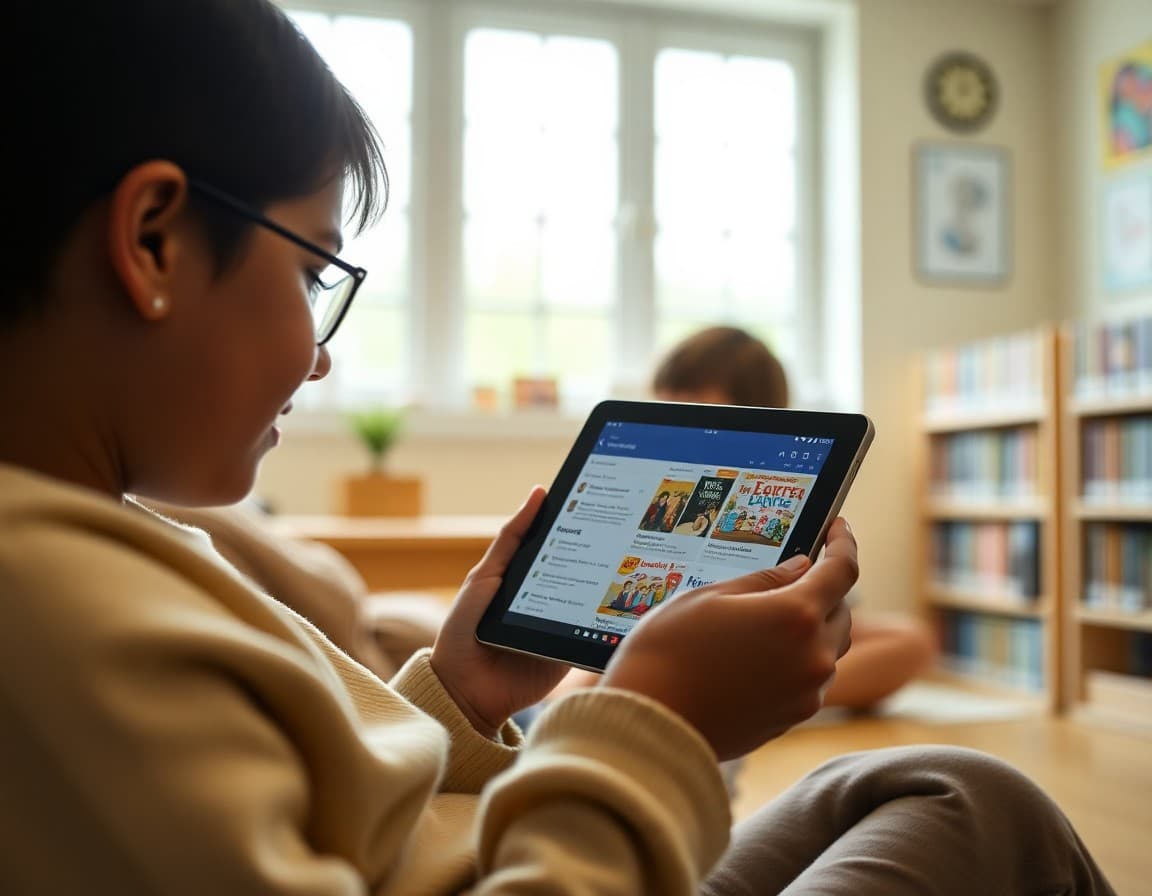
The school library's resources do not have to end at the school building door. When librarians actively communicate the resources available to families at home, the library's impact on student reading extends beyond the school day. Families who know how to access the school's digital databases, how to connect their child's school reading to the public library, and where to find free book resources become active partners in the library program rather than occasional visitors. This guide covers how to write the newsletter that makes those connections happen.
Start with What Families Can Access Right Now
The most actionable parent resources newsletter leads with digital resources that families can access from home today, without a visit to any physical location. If your school subscribes to Overdrive, Libby, Epic, PebbleGo, or other digital reading platforms that families can access with a school login, this is the most immediately useful information in the newsletter. Include the exact access path: "Visit our library portal at [URL], click Student Resources, then click [DATABASE NAME]. Students log in with their school username and password. Thousands of books and articles, available right now from any device." That is useful. A list of database names without access instructions is not.
Explain the Public Library Connection
Many families are not aware that the public library has digital lending services that parallel the school library. A newsletter that explains how to get or renew a free public library card, how to download Libby or Hoopla to access tens of thousands of free ebooks and audiobooks, and how summer reading programs at the public library work, extends the library's reach into the community in a way that directly benefits students. "Your child can borrow up to 10 ebooks at a time from the public library using Libby. All they need is a free library card, which takes five minutes to register for at [PUBLIC LIBRARY URL]." That sentence leads to immediate action from engaged families.
Feature Free or Low-Cost Book Access Programs
Book ownership is one of the most significant predictors of reading achievement, and many elementary families do not have access to large home libraries. A newsletter that shares free or low-cost book access programs, such as Dolly Parton's Imagination Library, First Book, Little Free Library locations in the neighborhood, community book exchange events, and used book sale information, serves as a genuine resource connection for families who need it. A school librarian who knows and shares these programs becomes a trusted community resource, not just a school professional.
A Template Parent Resources Newsletter Section
Here is a template for a parent library resources newsletter:
"Library resources available at home: Digital reading at home: [DATABASE OR PLATFORM NAME] is available free for all students. Access it at [URL] using your child's school login. Public library connection: The [CITY] Public Library offers free ebook borrowing through the Libby app. Sign up for a free card at [URL]. Grade-level book recommendations: For [GRADE], we love: [3-5 TITLES WITH ONE-LINE DESCRIPTIONS]. Book access in our community: [FREE BOOK PROGRAM, LITTLE FREE LIBRARY LOCATION, OR COMMUNITY EVENT]. Questions about library resources? [CONTACT INFO]."
Create Grade-Level Reading Lists Families Will Actually Use
A reading list is only useful if families can access the books on it. When you create a grade-level reading list for families, link it to the school library catalog so families can request the books, and note which titles are also available at the public library. "All of these titles are available in our school library. Most are also at the public library. You can request any of them at the school library circulation desk or through our online catalog at [URL]." Making the list immediately actionable transforms it from a document families save and forget into one they act on.
Connect Reading to Seasonal and Cultural Moments
Parent resource newsletters are most engaging when the book and resource recommendations connect to something happening in the world. Black History Month, Hispanic Heritage Month, Asian Pacific American Heritage Month, and other cultural heritage observances give natural hooks for curated reading lists. "For Hispanic Heritage Month, here are five picture books and chapter books that center Latinx characters and experiences, all available in our library and at the public library: [LIST]." That kind of specifically curated list is more useful and more valued than a generic reading list.
Ask Families What Resources They Need
One of the most useful things a librarian can include in a resources newsletter is a brief invitation for feedback: "Is there a type of book, topic, or resource you are looking for that you have not been able to find? Let me know. Finding resources is what I do, and I am happy to help." That invitation positions the librarian as a resource professional available to help individual families, not just a program manager. It also provides genuine market research about what the library should acquire or promote.
Send This Newsletter to Families, Not Just Teachers
Many library newsletters primarily reach teachers because those are the easiest lists to send to. Parent resource newsletters should go directly to families. A separate family-focused library newsletter, sent quarterly or monthly to parent email lists, reaches the audience that most benefits from the resource connection content. Daystage makes it practical to maintain separate library newsletter lists for teachers and families so each audience receives content specifically relevant to them.
Get one newsletter idea every week.
Free. For teachers. No spam.
Frequently asked questions
What library resources should a school librarian share with families in a newsletter?
A parent resources newsletter should cover: digital library databases the school subscribes to and how families can access them from home, the school library catalog for requesting books, free reading apps and platforms connected to the library program, public library card information and digital lending services, summer reading programs, and specific grade-level book recommendations. Resources that families can access immediately from home get the most use.
How can a school library newsletter help families who don't have many books at home?
A resources-focused library newsletter can directly address the book access gap by explaining how to get a free public library card, how to access digital lending services like Libby or Hoopla that require only a library card to use, how to request free books through programs like Dolly Parton's Imagination Library (for eligible age groups), and where to find little free libraries in the community. Families with limited book access benefit enormously from a librarian who acts as a resource connector, not just a school program manager.
How should a school librarian communicate about digital library resources to families?
Digital resource communication should be specific, not just a list of database names. Include a one-sentence description of what the resource offers, the exact URL or access path, and whether a username and password are required and where to find them. Better yet, include a QR code or direct link. Many families want to use digital library resources but cannot figure out how to access them. The librarian who removes that friction sees significantly higher usage.
How can school librarians use newsletters to encourage families to visit the public library?
Public library connection newsletters are most effective when they are specific and timely. During summer reading program registration season, a newsletter with the public library's summer program dates and how to sign up is more valuable than a general encouragement to get a library card. During the school year, noting that the same authors or series the class is reading are available at the public library creates an immediate connection. Partnerships with the public library to share content or coordinate programs benefit both institutions.
What tool do school librarians use to send parent resource newsletters?
Daystage is used by school librarians to send polished parent resource newsletters to families quickly and professionally. Librarians can combine digital resource guides, public library links, at-home reading suggestions, and grade-level recommendations in one clean newsletter sent to parent emails. For librarians who want to extend the library's reach into family homes, it makes that communication achievable without requiring significant additional time.

Adi Ackerman
Author
Adi Ackerman is a former classroom teacher and curriculum writer with 8 years in K-8 schools. She writes about school communication, parent engagement, and what actually works in real classrooms.
More for Elementary
Ready to send your first newsletter?
3 newsletters free. No credit card. First one ready in under 5 minutes.
Get started free