
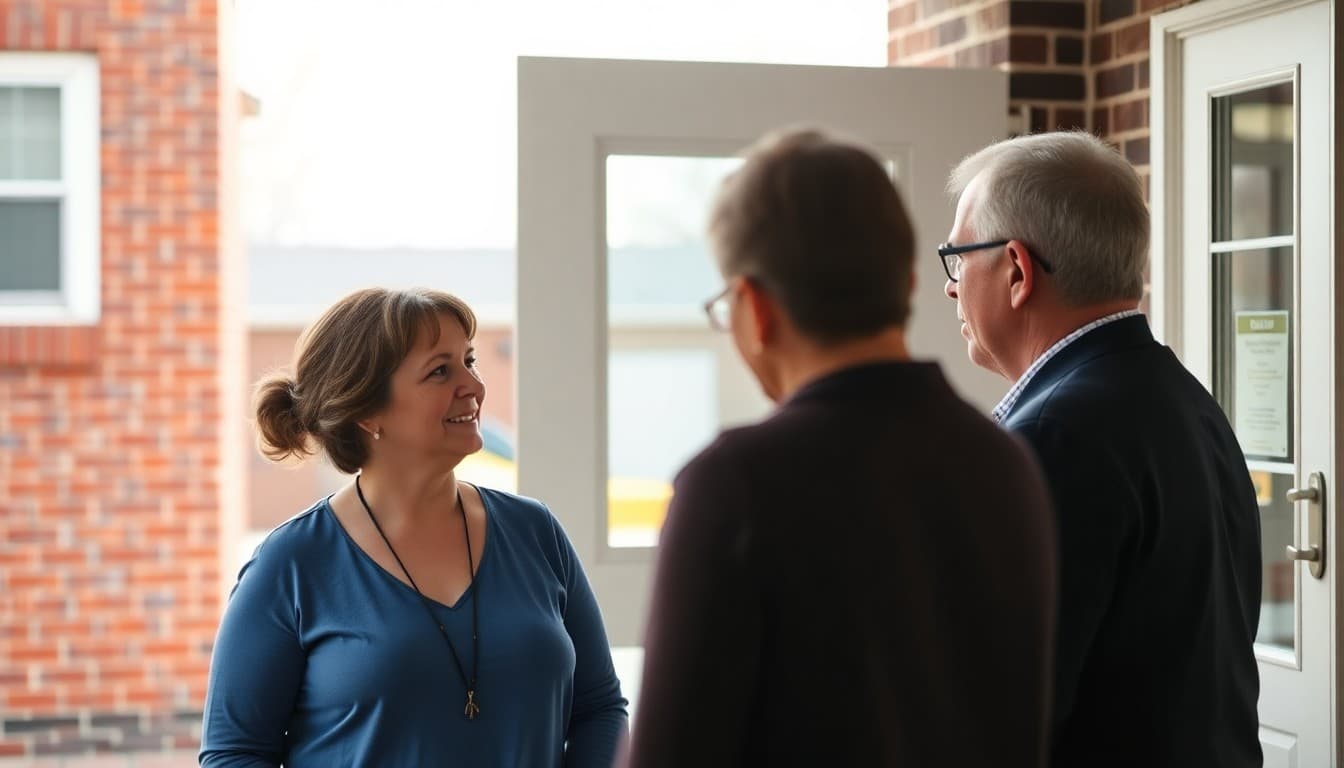
Kentucky Elementary School Parent Communication Guide

Kentucky elementary schools range from the Louisville metro, where Jefferson County Public Schools is one of the larger urban systems in the South, to eastern Kentucky Appalachian communities where some schools see families affected by multi-generational poverty, opioid epidemic impacts, and the ongoing economic transition away from coal. Effective parent communication in Kentucky requires honestly engaging with these realities rather than applying a generic approach.
Address Kentucky's Testing Requirements
Kentucky uses the Kentucky Summative Assessment (KSA), which replaced the previous KPREP assessment. The KSA includes English language arts and mathematics for grades 3 through 8, and science at grades 4 and 7 for elementary. Families benefit from knowing the spring testing window, which grades and subjects are covered, and how results are accessed. Kentucky also uses the Beginning of Year, Middle of Year, and End of Year (BOY, MOY, EOY) universal screening assessments in early elementary. A newsletter explaining both the KSA and the formative assessments helps families understand the full picture.
Severe Weather Communication Is Critical
Western Kentucky experienced catastrophic tornadoes in December 2021, affecting communities like Mayfield, Dawson Springs, and Bowling Green. Eastern Kentucky experienced devastating flooding in 2022. These events underscored the importance of clear, pre-established emergency communication protocols. Elementary families should receive annual communication about the school's severe weather and flooding protocols: shelter locations, dismissal changes, family notification systems, and how to reconnect with students after a major weather event. For schools in western Kentucky's tornado corridor, this communication is not a formality.
Communicate With Sensitivity About Economic Hardship
Kentucky's child poverty rate is among the highest in the country, and many elementary school families are navigating food insecurity, housing instability, or economic stress. Communication that acknowledges available school resources, free and reduced lunch programs, Title I services, school counselor availability, and community partnerships without stigmatizing the families who need them builds trust. A brief section in the September newsletter about available support resources, framed as information every family should know, makes those resources more accessible without singling out struggling families.
A Template for Kentucky Elementary Newsletters
Here is a practical template for Kentucky elementary classrooms:
"Dear [CLASS] families. This week: [2-3 UPDATES]. In class, we are working on [ACADEMIC FOCUS]. Try this at home: [ONE ACTIVITY]. Important dates: [DATES]. Resources available at our school: [BRIEF MENTION OF RELEVANT SUPPORT]. Weather emergency information: [SYSTEM AND CHANNELS]. Questions? [CONTACT INFO]."
Support Connectivity-Challenged Families
Eastern Kentucky schools should build communication systems that work without broadband. Phone calls to families who have not received the digital newsletter, printed newsletters sent home with students on Mondays, and partnerships with community organizations like libraries, churches, and family resource centers extend communication reach to families who fall through digital gaps. The E-Rate program and state broadband investments are improving connectivity, but the transition will take years and schools should not wait.
Celebrate Kentucky's Community Strengths
Kentucky has remarkable community assets that elementary newsletters can acknowledge: the Kentucky Derby in May, the state's extraordinary natural beauty in Mammoth Cave country and the Red River Gorge, the horse culture of the Bluegrass Region, and the deep community ties in Appalachian mountain towns. Elementary newsletters that connect learning to these local assets show families that the school values what makes their community distinctive. A science unit on cave ecosystems means something different in a community near Mammoth Cave than it does anywhere else in the country.
Build Trust Through Consistent Communication
Kentucky families, particularly in communities that have experienced institutional mistrust related to poverty, race, or the legacy of coal industry exploitation, respond strongly to schools that communicate honestly and consistently. A teacher who sends a brief newsletter every week, who acknowledges challenges alongside celebrations, and who treats families as genuine partners rather than recipients of information builds the trust that no single event or program can create. Daystage makes this consistency achievable without requiring significant time each week.
Get one newsletter idea every week.
Free. For teachers. No spam.
Frequently asked questions
What are the key considerations for parent communication in Kentucky elementary schools?
Kentucky has significant regional diversity: the Louisville and Lexington metro areas have urban and suburban schools with diverse populations, while eastern Kentucky in Appalachia faces persistent poverty, limited broadband access, and the ongoing challenges of post-coal economic transition. Western Kentucky has agricultural communities and mid-sized cities like Paducah and Owensboro. Communication approaches need to reflect each region's reality rather than applying a statewide template.
What state-specific topics should Kentucky elementary newsletters address?
Kentucky elementary newsletters should cover the Kentucky Summative Assessment (KSA) testing schedule in spring, tornado and severe weather protocols (western Kentucky is in Tornado Alley and experienced devastating tornadoes in December 2021), flooding communication for schools in flood-prone areas (eastern Kentucky has significant flooding risk), and the impact of coal industry changes on communities in eastern Kentucky that affect families' economic stability and school engagement.
How do Kentucky elementary schools address the digital divide in rural Appalachia?
Eastern Kentucky has some of the lowest broadband access rates in the country. Many families in Pike County, Harlan County, and other coal country communities rely on mobile data rather than home broadband, and some families have limited access to any internet. Elementary schools in these regions should maintain paper-based and phone-based communication alongside any digital platforms, and should not assume that digital-only communication reaches all families. The state has invested in broadband expansion, but access gaps remain significant.
How does poverty in Kentucky affect school communication strategies?
Kentucky has one of the highest childhood poverty rates in the country, concentrated in eastern Kentucky but present throughout the state. Families under economic stress have less bandwidth for detailed school communications. Brief, specific, action-oriented newsletters that clearly distinguish between what families must do (permission slips, medical forms) and what is informational are more effective than comprehensive updates. Communication that acknowledges family challenges without being patronizing builds the trust that encourages engagement.
What tool do Kentucky elementary teachers use to send newsletters to families?
Daystage works for Kentucky elementary schools with reliable digital access, particularly in Louisville and Lexington metro areas and suburban communities. For eastern Kentucky schools with significant connectivity gaps, a combination of digital delivery for connected families and printed materials for others creates the most complete reach. Teachers can create the newsletter once in Daystage and send it digitally while printing copies for families who need them.

Adi Ackerman
Author
Adi Ackerman is a former classroom teacher and curriculum writer with 8 years in K-8 schools. She writes about school communication, parent engagement, and what actually works in real classrooms.
More for Elementary
Ready to send your first newsletter?
3 newsletters free. No credit card. First one ready in under 5 minutes.
Get started free