
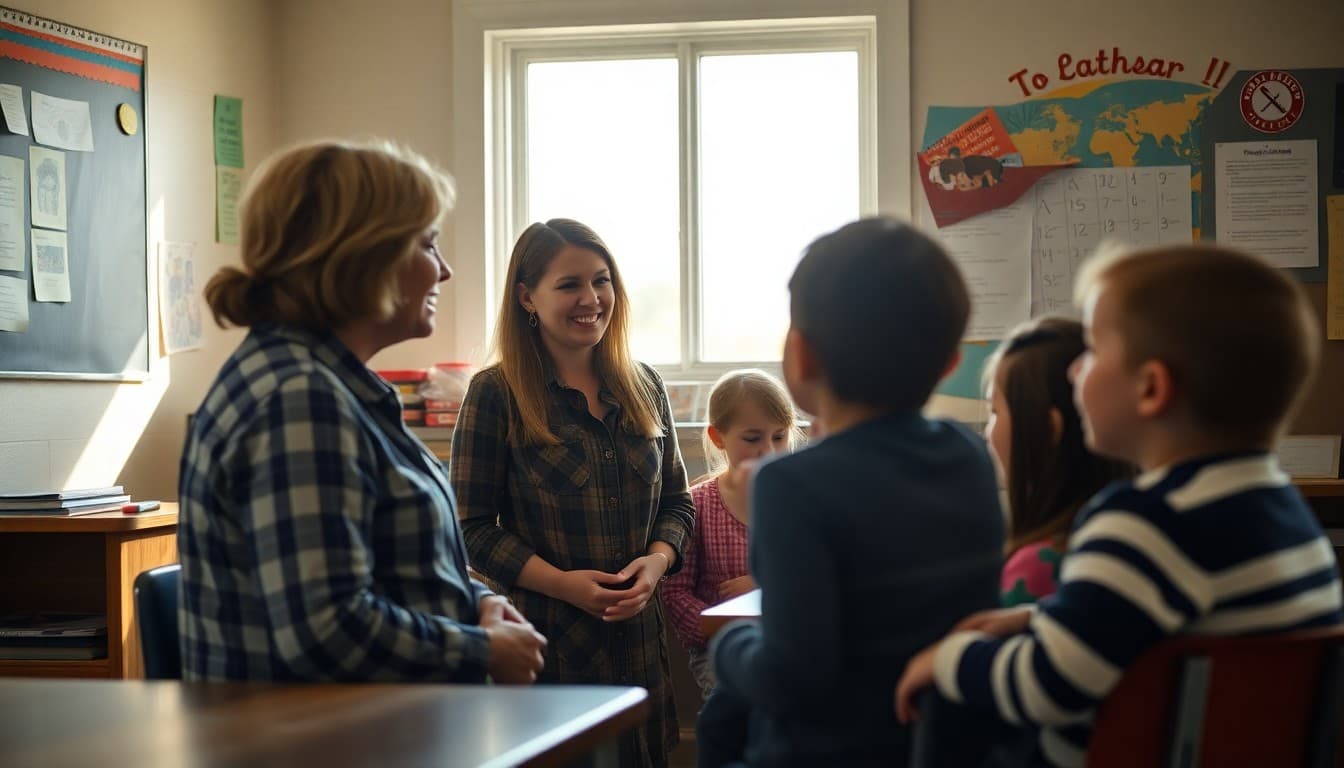
Kansas Elementary School Parent Communication Guide
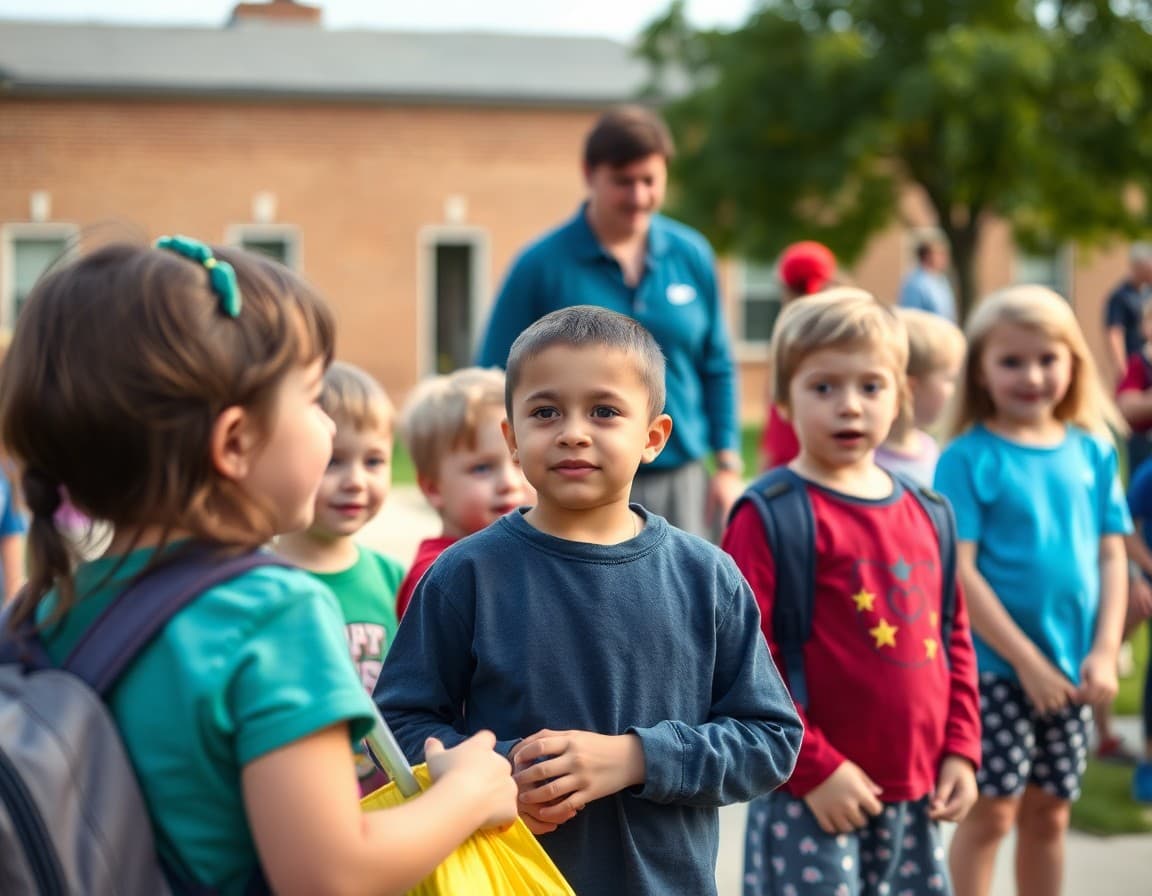
Kansas elementary schools stretch from the Kansas City suburbs, where families expect the communication quality of any major metro area, to western Kansas communities where a school of 60 students is the entire town. Effective communication in each of these contexts requires honest awareness of what actually reaches families and builds the habits that make information transfer reliable year-round.
Tornado Season Communication Is Essential
Kansas sits in the heart of Tornado Alley. Elementary families need annual communication about tornado protocols before spring storm season begins in April. Include the drill schedule, shelter locations, what students do when a warning is issued during school hours, and how families are notified after an all-clear. Western Kansas schools have additional considerations: wide open terrain means less geographic shelter and tornadoes can approach from unexpected directions. Schools in these regions should communicate about the enhanced caution they take during severe weather season.
Cover the KAP Testing Schedule
Kansas uses the Kansas Assessment Program (KAP) for spring assessments in grades 3 through 8. Elementary families benefit from knowing the testing window, the subjects tested at their child's grade level, and how results are communicated. Kansas also participates in the National Assessment of Educational Progress (NAEP) at grade 4. A newsletter that explains both the KAP and any formative assessments the school uses helps families understand the complete picture of how their child's progress is measured.
Address the Agricultural Calendar
Western and central Kansas communities live by the wheat, corn, and cattle cycles. Planting in spring, wheat harvest in June, and fall harvest all affect family schedules in ways that east Kansas suburban schools may not encounter. Elementary newsletters in agricultural communities that acknowledge these realities, that schedule major events outside peak harvest periods and express genuine respect for farming families, build relationships that academic-only communication cannot. A line in the May newsletter acknowledging the wheat harvest starting shows families that the school knows their world.
A Template for Kansas Elementary Newsletters
Here is a template that addresses Kansas-specific communication needs:
"Dear [CLASS] families. This week: [2-3 UPDATES]. In class, we are studying [ACADEMIC FOCUS]. Something to try at home: [ONE ACTIVITY]. Important dates: [DATES]. [APRIL-JUNE: Our tornado shelter locations are [LOCATIONS]. During a warning, we follow [PROTOCOL]. Notifications go out via [SYSTEM].] Questions? [CONTACT INFO]."
The tornado protocol reminder is worth including in every April through June newsletter, especially in western Kansas where storm season extends longer.
Support Southwest Kansas Multilingual Communities
Garden City, Dodge City, Liberal, and Hugoton are meatpacking communities with large, multi-generational Spanish-speaking populations that include families from Mexico, Guatemala, and other Latin American countries. These communities also have significant Somali and Burmese refugee populations in some cities. Schools in southwest Kansas need multilingual communication capabilities and deep community relationships to reach all families effectively. Partnership with local community organizations, churches, and the meatpacking company HR departments extends communication reach significantly.
Communicate About Kansas's Strong K-12 Standards
Kansas adopted the Kansas College and Career Ready Standards, and the state has a generally strong academic reputation. Elementary newsletters that communicate clearly about how classroom instruction connects to these standards help families understand the rigor and coherence of the curriculum. Families who understand what their child is learning and why are more engaged supporters of school improvement than families who receive only test scores and letter grades.
Acknowledge Kansas City Metro's Unique Context
The Kansas City metropolitan area spans two states, with Johnson County and Wyandotte County schools competing with Missouri schools for students. Johnson County contains some of the highest-performing and highest-income school districts in Kansas. Elementary schools in this competitive suburban environment communicate intensively with families who expect the same quality of communication they would receive from a private school. Consistent, professional newsletters are part of the competitive package for these schools.
Build Communication Habits for Small Rural Schools
Many rural Kansas elementary schools serve towns that have declined significantly in population over the past 30 years. The teacher knows every family, and formal newsletters can feel less necessary. But they serve an important function even in small communities: they create a consistent record of school life, build expectations of transparency, and provide the kind of organized information that prevents misunderstandings. A brief weekly or biweekly newsletter keeps communication systematic even in communities where everyone knows everyone.
Get one newsletter idea every week.
Free. For teachers. No spam.
Frequently asked questions
What makes parent communication in Kansas elementary schools important?
Kansas has significant geographic and demographic diversity: a large metro area in the Kansas City region (Johnson County), mid-sized cities like Wichita, Topeka, and Manhattan, and vast rural communities across western and central Kansas where schools serve as community anchors. Parent communication must adapt to these very different contexts, from suburban parents who expect detailed digital updates to rural families who depend on phone calls and paper notices.
What state-specific topics should Kansas elementary newsletters address?
Kansas elementary newsletters should cover the Kansas Assessment Program (KAP) testing schedule in spring, tornado preparedness (Kansas is in the heart of Tornado Alley), winter weather and road closure protocols for western and rural Kansas, and the impact of agricultural seasons on attendance in farming communities. Schools in the Kansas City metro should also address the multistate nature of the metro, where some families live in Missouri and attend Kansas schools.
How do Kansas elementary schools communicate about tornado preparedness?
Kansas is in Tornado Alley and experiences some of the most frequent and severe tornado activity in the world. Elementary families need annual communication about tornado drill schedules, shelter locations within the school, and what happens when a tornado warning is issued during school hours or dismissal. Western Kansas schools face the additional challenge of wide open terrain where tornadoes can appear with less geographic warning. Including a tornado preparedness section in every beginning-of-year packet is essential.
How do Kansas elementary schools communicate with Spanish-speaking families?
Kansas has a significant Spanish-speaking population, particularly in the meatpacking communities of southwest Kansas (Garden City, Dodge City, Liberal) and in parts of Wichita and Kansas City. These communities have deep roots in Kansas going back decades. Schools serving substantial Spanish-speaking populations should provide key communications in Spanish. The Garden City and Dodge City school districts have extensive experience with multilingual communication and serve as practical models for other Kansas districts.
What tool do Kansas elementary teachers use to send newsletters to families?
Daystage works for Kansas elementary schools from the Johnson County suburbs to western Kansas ranch communities. Teachers can create professional newsletters quickly, send by class or grade, and reach families on any device. For Kansas teachers in small rural schools who handle their own communication, the platform's simplicity makes consistent communication achievable without significant time investment.

Adi Ackerman
Author
Adi Ackerman is a former classroom teacher and curriculum writer with 8 years in K-8 schools. She writes about school communication, parent engagement, and what actually works in real classrooms.
More for Elementary
Ready to send your first newsletter?
3 newsletters free. No credit card. First one ready in under 5 minutes.
Get started free