

Kindergarten Newsletter: Communicating Sight Word Progress
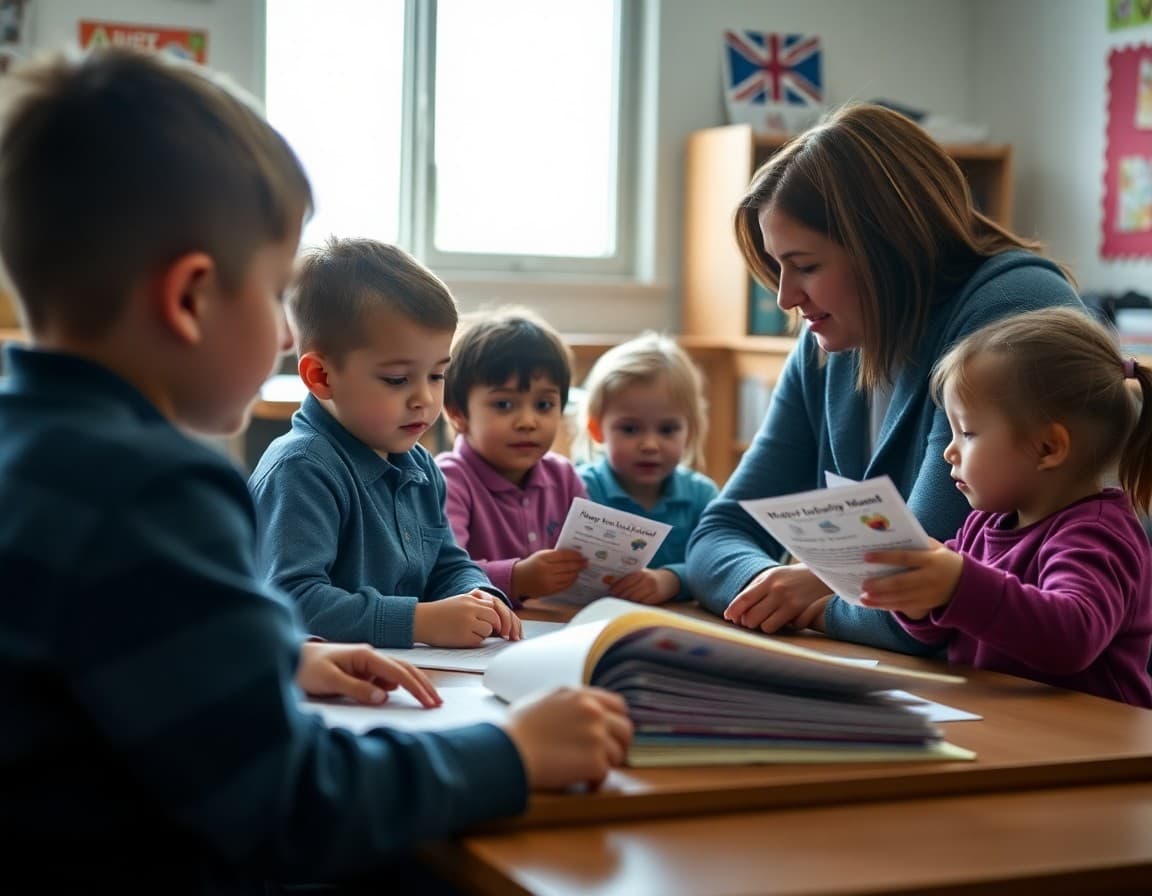
Sight words are one of the most visible markers of reading progress for kindergarten parents. The families who walk into your classroom in September range from those who taught at home for a year to those whose child has never been in a structured setting. Your newsletter is what bridges that gap.
Why Sight Words Matter in Kindergarten
The most important thing your Kindergarten Newsletter: newsletter can do is tell parents the truth about where their child is and what that means. Not test scores. Not level numbers. The actual reality of what their child can do, what they are working toward, and what the family can do at home to help close any gaps.
How to Report Progress Without Causing Anxiety
Weekly is the right frequency for Kindergarten Newsletter: newsletters. Monthly newsletters create a cycle of parents feeling uninformed, then bombarded, then uninformed again. Weekly short updates keep families consistently connected without requiring you to write a report each time.
Sending Home Practice Lists That Actually Get Used
For Kindergarten Newsletter: families, the most requested newsletter sections are always the same: upcoming dates and deadlines, what we are studying right now, what families can do at home, and any behavior or attendance reminders. Answer those four things and you have covered most of what parents want to know.
Games Families Can Play at Home
Plain language is what makes newsletters actually get read. A newsletter that requires a dictionary is a newsletter that ends up in the trash folder. Write the way you would talk to a parent at a school event. Direct, specific, and warm but not performatively cheerful.
Differentiating for Fast and Slow Learners in Your Newsletter
When you cover academic content in your Kindergarten Newsletter: newsletter, be specific about what mastery looks like. Not "we are working on reading" but "by the end of this unit, your child should be able to read a two-paragraph passage and retell the main idea in their own words." Concrete targets help families know what to look for.
Connecting Sight Words to Reading at Home
Families in Kindergarten Newsletter: worry about the same things in every classroom: is my child keeping up, are they making friends, and is the teacher aware of them as an individual. Your newsletter addresses all three when you include a brief class highlight, a social update, and at least one personal-sounding observation about what the class is doing together.
Celebrating Milestones Without Creating Competition
Daystage is built for the weekly newsletter rhythm that works for Kindergarten Newsletter: families. You write it once, it goes to everyone, and it stays organized and accessible for families who need to reference something from three weeks ago. That organization matters more than you think by the end of the year when you need to show a parent exactly what was communicated and when.
Get one newsletter idea every week.
Free. For teachers. No spam.
Frequently asked questions
What should a Kindergarten Newsletter: newsletter include?
A strong Kindergarten Newsletter: newsletter covers upcoming dates and deadlines, the current academic focus in each subject area, one concrete action families can take at home this week, and any behavior or attendance reminders. Keeping these four sections consistent from week to week means families know where to look for each type of information.
How long should a Kindergarten Newsletter: newsletter be?
One page or one screen of reading is the right length for most elementary newsletters. Families skim newsletters on their phones during brief windows of time. A newsletter that takes more than three minutes to read is one that often does not get read fully. Lead with the most actionable information.
How do I reach Kindergarten Newsletter: parents who are hard to connect with?
Multiple channels increase reach. Email covers most families, but a text message link to the digital newsletter reaches those who miss emails. Some schools send a paper copy home in the Friday folder as a backup. The goal is not to require every family to use the same channel. It is to make the same information available in whatever format each family can access.
What tone works best for Kindergarten Newsletter: parent newsletters?
Warm, direct, and specific. Not formal or performatively enthusiastic. Write the way you would talk to a parent you respect at a school event. Avoid vague phrases like "it has been a great week" without specifics. Replace them with a concrete example of something that actually happened this week. Specificity builds trust faster than cheerfulness.
What tool makes Kindergarten Newsletter: newsletter communication easier?
Daystage is designed for the weekly newsletter rhythm that works for Kindergarten Newsletter: families. Build a template once with your consistent sections, update the relevant content each week, and send directly to your class list. The platform keeps a history of every newsletter so families can go back and find dates or information they missed.

Adi Ackerman
Author
Adi Ackerman is a former classroom teacher and curriculum writer with 8 years in K-8 schools. She writes about school communication, parent engagement, and what actually works in real classrooms.
More for Elementary
Ready to send your first newsletter?
3 newsletters free. No credit card. First one ready in under 5 minutes.
Get started free