
Fourth Grade Newsletter Ideas for Teachers Who Want Parents to Stay Engaged

By fourth grade, students are asserting independence in ways that naturally push parents to the edges of the school day. They want to handle their own homework. They may not want their parents involved at every turn. And families, picking up on these signals, sometimes pull back from school communication just when the academic work is getting more demanding.
A well-designed fourth grade newsletter keeps families informed without making them feel like they should be micromanaging their child. Here is how to write one that actually gets opened and read.
Connect the curriculum to the real world
Fourth grade content is rich enough to be genuinely interesting to adults. Ancient civilizations, ecosystems, multiplication and division with larger numbers, narrative writing with developed characters. The newsletter is your opportunity to frame this content in ways that make families want to talk about it at dinner.
Skip the textbook-style summaries. Instead, make a connection to something families can see or do. "We are studying the water cycle this week. Next time it rains, ask your child to walk you through what is happening step by step. They can explain evaporation, condensation, and precipitation from memory, and those concepts connect directly to the weather segments in the evening news."
Project-based and collaborative learning updates
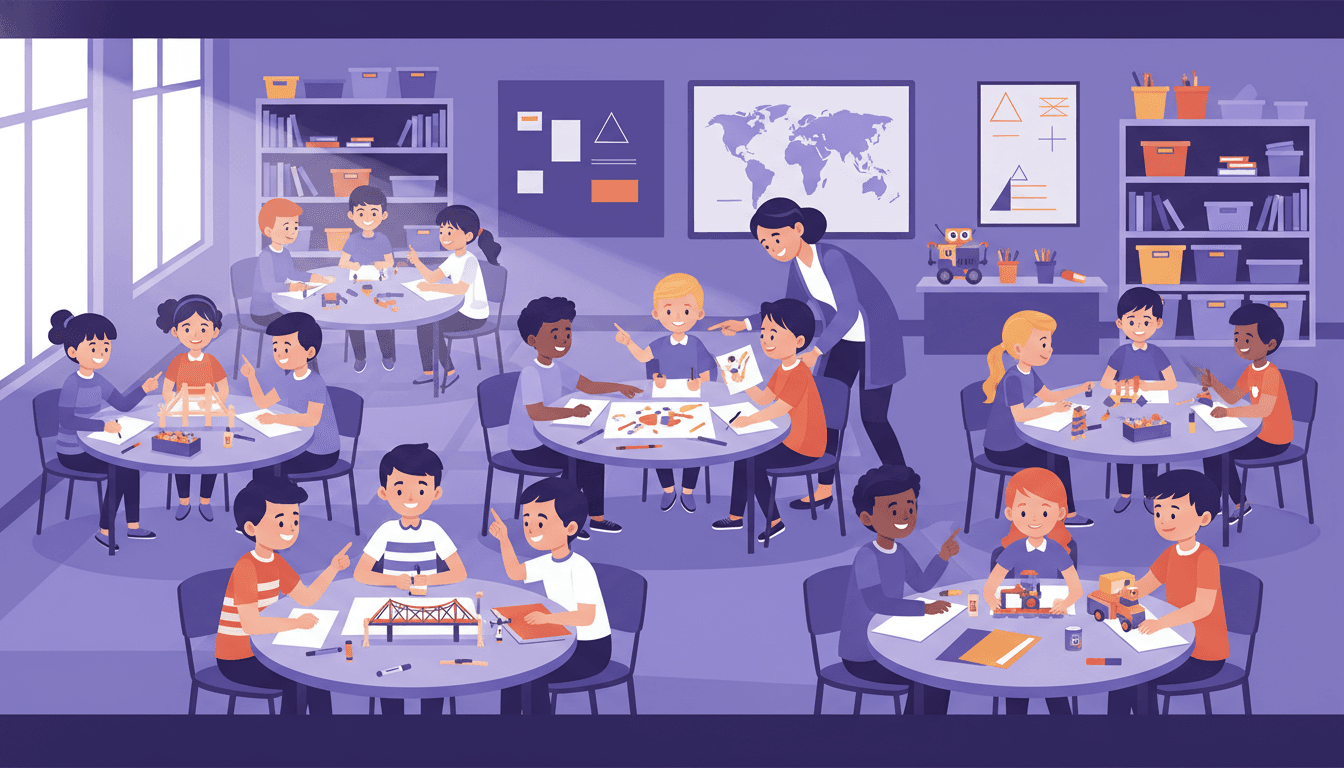
Fourth grade is a common year for multi-week projects, science investigations, and collaborative research assignments. Families often hear fragments about these projects from their child but do not have the full picture.
Use the newsletter to explain what a project is, what students are responsible for, and what the learning goal is. This prevents two common problems: the family who does the project for their child because they are anxious, and the family who has no idea a major assignment exists until the night before it is due.
Be specific about what student ownership means for the project. "Students are responsible for choosing their topic, finding three sources, and writing the first draft independently. Parents, your role is to ask questions and encourage, not to research or write alongside them."
Writing and reading: what growth looks like at this level
Fourth grade writing expectations jump significantly from third grade. Students are expected to write with more structure, develop ideas across multiple paragraphs, and revise their work based on feedback. Some families are surprised by how much writing is happening and how different the expectations are.
Use the newsletter to explain what strong fourth grade writing looks like and how families can support it at home without doing the writing themselves. "Ask your child to read their draft aloud to you. Where did they hesitate? Where did they rush? Those spots are usually where the writing needs more work. You do not need to fix it for them. Just listening while they read is enough."
Emotional and social context for fourth graders
Fourth grade friendships are intense and can shift quickly. Students are developing their sense of identity and sometimes that includes pushing back against adults. Families who are watching a child who seemed easygoing suddenly become moody or resistant appreciate knowing that this is developmental, not a sign that something is wrong.
A brief note about what you are observing and supporting in the classroom social-emotional dimension helps families feel less alone in what they are managing at home. "This week we talked as a class about what it means to disagree respectfully. Students are at an age where they have strong opinions and are learning how to advocate for their ideas without dismissing others. We practice this in class discussions every day."
Keeping it short when there is a lot to say
Fourth grade teachers often have more to communicate than will fit in a newsletter. The answer is not to write a longer newsletter. It is to be selective. Pick the two or three things families most need to know this week and say those things clearly. Save the rest for next week.
The families who read the full newsletter every week are the ones receiving a short newsletter. Long newsletters train families to skim and eventually to ignore. A 400-word newsletter sent every Friday for the whole year does more than a 1,000-word newsletter sent occasionally.
Daystage makes the weekly cadence easy to maintain. The block editor keeps your structure consistent from week to week so you are filling in content rather than building a layout. Families know what to expect and where to find the information they are looking for.
What a newsletter does for fourth grade parent engagement
The goal is not to make parents feel responsible for everything happening in the classroom. It is to give them enough context to have real conversations with their child and to support the right things at home.
A fourth grader who knows their parent read about the water cycle unit and actually found it interesting is more likely to bring up school at home. That connection between school and family is worth the twenty minutes it takes to write a newsletter each week.
Get one newsletter idea every week.
Free. For teachers. No spam.
Frequently asked questions
When should fourth grade teachers write their weekly newsletter?
Thursday is the best day to write: real content from the week is fresh and you have time to review before sending Friday. Fourth grade teachers also benefit from writing the newsletter after any major project milestones so families get updates when student work is at its most interesting.
What should a fourth grade newsletter include for families?
Connect the curriculum to real-world examples families can discuss at dinner, explain multi-week projects with clear descriptions of what student ownership means versus where family support is welcome, and include a brief note on the social-emotional skills students are working on given the intensifying peer dynamics at this age.
How long should a fourth grade newsletter be?
400 words or fewer, every week. Fourth grade content is rich enough to fill a much longer newsletter, but the families who read every word are reading a short one. A 400-word newsletter sent every Friday for the whole year does more than a 1,000-word newsletter sent occasionally.
What are common mistakes fourth grade teachers make with family newsletters?
Assuming families will naturally stay engaged as students become more independent is the most common mistake. Fourth grade is exactly when parents pull back from school communication just as academic demands increase. A consistent newsletter gives families the context to stay connected without micromanaging.
How does Daystage help fourth grade teachers maintain a weekly newsletter habit?
Daystage's block editor keeps your newsletter structure consistent week to week so you are filling in content rather than rebuilding a layout. Families know what to expect and where to find the information they are looking for, which increases open rates over the course of the year.

Adi Ackerman
Author
Adi Ackerman is a former classroom teacher and curriculum writer with 8 years in K-8 schools. She writes about school communication, parent engagement, and what actually works in real classrooms.
More for Elementary
Ready to send your first newsletter?
3 newsletters free. No credit card. First one ready in under 5 minutes.
Get started free