
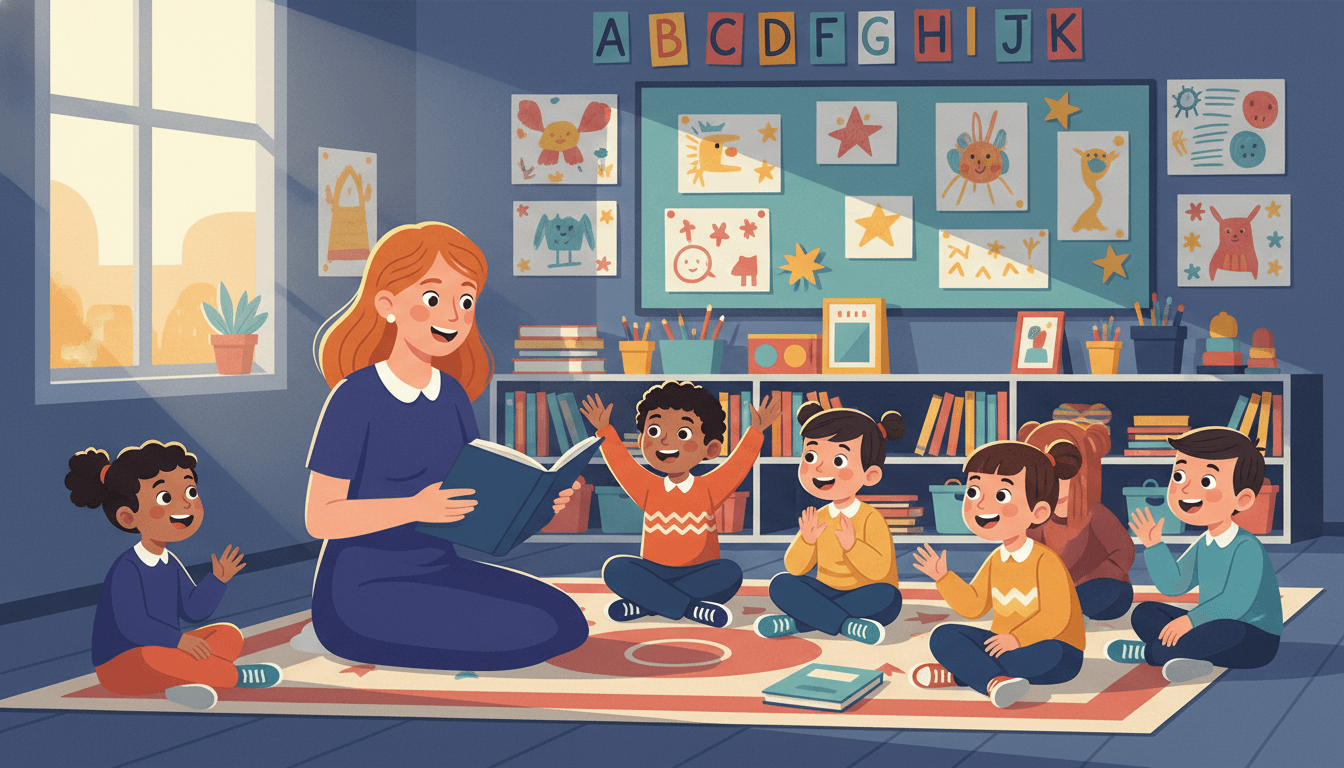
First Grade Newsletter Ideas: What to Write Every Week for 1st Grade Families

First grade is a year of big transitions. Kids are moving from learning to read to reading to learn. The social dynamics of the classroom become more complex. Homework and independent work start to appear. Families who felt close to the classroom in kindergarten sometimes feel less connected in first grade, just when the learning is getting interesting.
A weekly newsletter fixes that. Here are the most useful first grade newsletter ideas, organized around what families actually want to know each week.
Reading and literacy updates
Reading is the centerpiece of first grade and it is the thing families are most anxious about. Are they on track? What should we be doing at home? Is my child struggling or is this normal?
Your newsletter does not have to answer all of those questions in detail, but it can address them generally in ways that help families stay informed and calm. Each week, name the reading skill you are working on. Leveled fluency, decoding strategies, sight word recognition, reading comprehension through picture books. Give families a concrete way to practice it at home.
Example: "This week we worked on using context clues to figure out words we do not recognize. At home, when your child gets stuck on a word, ask them: what would make sense here? That one prompt teaches the same strategy we practiced in class."
That kind of update takes three sentences to write and gives families something genuinely useful.
Math: what is happening and how to help
First grade math can look very different from how parents learned math. Number lines, ten frames, decomposing numbers. Families who do not understand what their child is learning sometimes accidentally teach conflicting methods at home, which is confusing for kids.
A brief math section in your newsletter helps prevent this. Name the concept. Explain it in one sentence using plain language. Give one home practice idea that uses the same approach you are using in class.
Example: "We started working with ten frames this week. A ten frame is a two-row grid that helps kids see numbers as groups of ten. If you have egg cartons at home, they work exactly the same way. Try putting 7 objects in the carton and asking your child how many are missing."
Classroom community updates
First graders are developing friendships, learning how to navigate disagreements, and figuring out how to be part of a group. Families are curious about the social side of school even when they do not ask directly.
A one or two sentence update about something positive that happened in the classroom community goes a long way. A kindness you observed, a problem the class solved together, a moment where students showed real empathy. These moments happen every week in first grade classrooms. Sharing one of them in the newsletter makes families feel like they are inside the day, not just receiving a report.
What we read, heard, and talked about this week
First graders love to talk about books. If you share the read-aloud of the week in your newsletter, families have an instant conversation starter. "Tell me about the book you read in class" is a much easier dinner table question than "How was school today."
Include the book title and one sentence about what made it interesting or relevant to what you are teaching. If the book connects to a science or social studies unit, say that too. Families appreciate understanding how different parts of the day connect.
Reminders and upcoming events
Keep this section short and specific. The three or four things families need to remember or prepare for. Upcoming assessments, special events, changes to the regular schedule, items to bring from home. Bullet points work better than paragraphs here.
One practical tip: do not bury reminders in paragraphs. Families scan for action items. If a reminder is inside a paragraph, some families will miss it. A bullet list with a clear date gets read.
How to structure a first grade newsletter that stays manageable
The section that kills most teacher newsletters is trying to write too much. A first grade newsletter that you can sustain every week has four to five short sections, each with a clear header, and runs about 350 to 450 words total. That takes about fifteen to twenty minutes to write on Thursday afternoon while the week is fresh.
Daystage makes the logistics simple. Set up your classroom name, colors, and section structure once. Each week you open a new newsletter, fill in the content for each section, and send. The newsletter arrives in families' inboxes as a formatted email, not a text wall or an attachment they have to download. Analytics show you which families opened it, so you know if your weekly update is actually reaching people.
The newsletters that first grade families save
The best first grade newsletters do something practical for families: they give parents the language to talk to their kid about school. When a family knows what skill is being practiced, what book was read, and what one thing to try at home, they can show up as a partner in the learning instead of just a bystander.
That is what a weekly newsletter is really for. Not to document what happened, but to bring families inside the classroom so they can continue the conversation at home.
Get one newsletter idea every week.
Free. For teachers. No spam.
Frequently asked questions
When should first grade teachers write and send their weekly newsletter?
Thursday afternoon is the ideal writing time: the week is almost over so you have real content, and sending on Friday gives families the weekend to read it. First grade families are paying close attention all year, so a predictable Friday delivery builds a reliable reading habit.
What should a first grade newsletter include for families each week?
Name the reading skill practiced this week and give one home activity that uses the same approach taught in class, explain the math concept in plain language with a simple home practice using everyday materials, share one classroom community moment, mention the read-aloud of the week, and list three to four reminders with dates in bullet format.
How long should a first grade newsletter be?
350 to 450 words across four to five short sections is the right length. Families of first graders are reading on their phones between other tasks. A newsletter they can read in two minutes gets read. A long document gets saved and forgotten.
What are common mistakes first grade teachers make when writing newsletters for parents?
Using curriculum language without translating it for families is the most common mistake. 'We completed phonemic awareness activities aligned to Unit 2' tells parents nothing useful. 'We practiced hearing separate sounds in words, like c-a-t has three sounds' gives them something to work with at home.
How does Daystage help first grade teachers send a consistent weekly newsletter?
Daystage handles the logistics so first grade teachers can focus on content. Set up your classroom name, colors, and section structure once, then open a new newsletter each Thursday, fill in the sections, and send. Analytics show which families opened it so you know your updates are actually reaching people.

Adi Ackerman
Author
Adi Ackerman is a former classroom teacher and curriculum writer with 8 years in K-8 schools. She writes about school communication, parent engagement, and what actually works in real classrooms.
More for Elementary
Ready to send your first newsletter?
3 newsletters free. No credit card. First one ready in under 5 minutes.
Get started free