
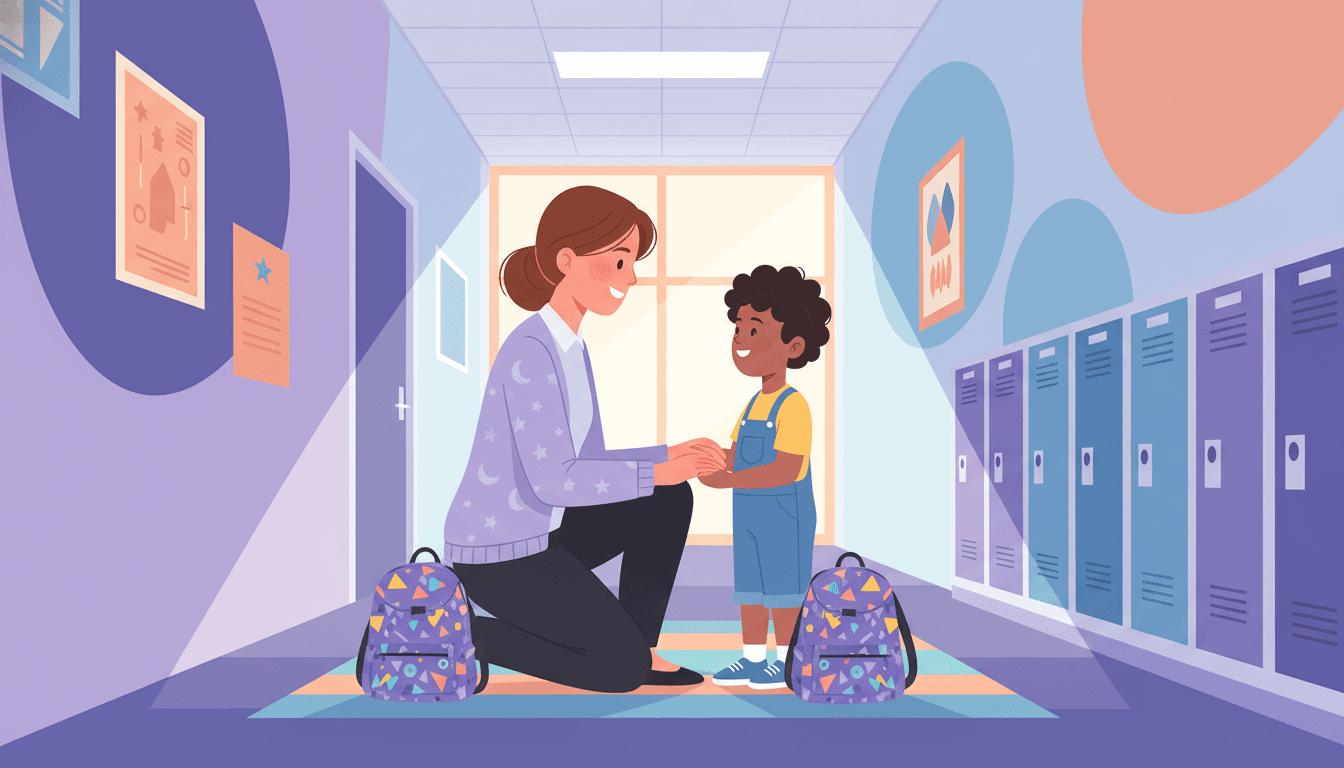
Elementary School Counselor Newsletter: Building Family Awareness of Social-Emotional Support
Elementary school counselors serve every student in the building, but most families have little visibility into what that support looks like day to day. Unless a child is referred for individual counseling, families may not know the counselor's name, what classroom lessons cover, or how to reinforce social-emotional skills at home.
A counselor newsletter changes that. Here is how to write one that builds awareness, reduces stigma, and helps families extend social-emotional learning beyond school.
Introduce the counseling program, not just yourself
The first newsletter of the year should explain what the school counseling program does. Many families assume the school counselor only works with students who have serious problems. Correct this misconception directly.
"I am the school counselor for all students in our building. My role includes classroom lessons in social-emotional skills, small group work on specific challenges, individual meetings with students, and support for families navigating difficult situations. Most students never have a problem that requires seeing me individually, but they all benefit from what we practice together in classroom lessons."
That simple explanation shifts how families understand the role and removes the stigma of the counselor being the person you only see when something is wrong.
What we practiced in class this week or month
If you conduct classroom counseling lessons, summarize what students practiced and how families can reinforce it at home. This is the core content of the counselor newsletter.
"This month's classroom lessons focused on recognizing emotions in the body. Students learned that emotions have physical signals: a tight chest might mean anxiety, a hot face might mean frustration, a light feeling in the stomach might mean excitement. We practiced noticing these signals before reacting. At home, you can support this skill by occasionally asking your child: 'Where do you feel that in your body?' after an emotional moment, not to analyze it, but just to build the habit of noticing."
That kind of update gives families a specific tool they can use. The connection between the classroom lesson and home practice makes the learning stick.
Age-appropriate social-emotional topics by season
School counselors often follow a curriculum that connects to the school year calendar. Friendship skills in September as students navigate new classrooms. Conflict resolution in the fall when social hierarchies solidify. Stress management before testing. End-of-year transitions.
The newsletter is the right place to preview what you will be covering and why the timing is intentional. "We will spend the next few weeks in each classroom working on strategies for managing test anxiety. Even students who are well-prepared can feel overwhelmed by the testing environment. We are teaching specific breathing and self-talk techniques that students can use on testing day and in any stressful situation after that."
What to look for at home: recognizing when a child needs support
One of the most valuable things a counselor newsletter can do is help families recognize signs that a child might benefit from additional support. Not in an alarmist way. In a practical, informative way that reduces the likelihood of a problem going unnoticed.
"This time of year, some students experience increased anxiety as grades are reported and school year pressure builds. Signs that a child may be struggling include increased reluctance to go to school, changes in sleep or appetite, more irritability than usual at home, and withdrawal from activities they normally enjoy. These can be normal fluctuations, but if you notice a pattern over two or more weeks, please reach out. Early support is always easier than delayed support."
Resources for common family concerns
School counselors receive the same questions from families repeatedly: how to handle a child who is struggling with friendships, how to talk about a family change, how to support a child with anxiety or big emotions. The newsletter is a natural place to share resources for these common concerns.
Keep recommendations specific and low-barrier. A book title, a short article, a five-minute podcast episode. Not a comprehensive resource list. One or two things per issue, clearly described with a sentence about who would find them useful.
How to reach the counselor
Every counselor newsletter should include a clear, easy way to reach you. Many families who have concerns about their child hesitate to reach out because they are not sure if the concern is serious enough to warrant a call.
Remove that barrier explicitly. "If you have a question or concern about your child, please email me or call the office to schedule a time to talk. You do not need to have a crisis to reach out. Questions about friendships, school stress, sibling changes, and big family transitions are exactly what I am here to discuss with families." That one paragraph increases the likelihood that families reach out before a problem escalates.
Building and sending the counselor newsletter
Counselors, like specialist teachers, work with every student in the building. Time is limited. A newsletter that takes more than twenty minutes to write will not get written consistently.
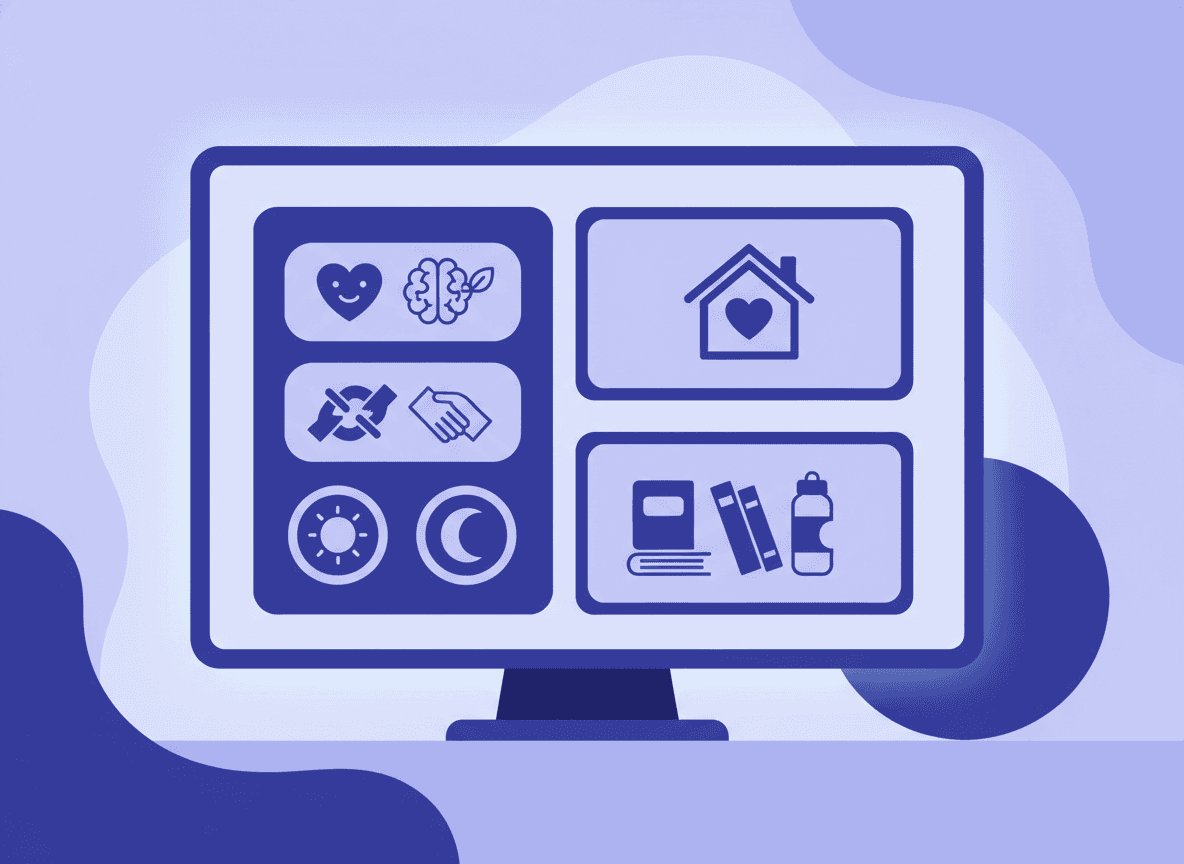
Daystage keeps it manageable. Set up a simple template with four sections: what we covered in class this month, what to look for at home, a resource recommendation, and contact information. Fill in each section with fresh content, send, and you are done. The whole newsletter arrives in families' inboxes looking professional without requiring graphic design or email coding knowledge.
What a counselor newsletter builds over time
Counselors who communicate regularly with families become known quantities in the school community. Families who receive monthly newsletters know your name, trust your approach, and feel comfortable reaching out before problems escalate. That early communication loop is better for students, better for families, and better for you.
Get one newsletter idea every week.
Free. For teachers. No spam.
Frequently asked questions
When should elementary school counselors send newsletters to families?
Monthly is the right cadence for a building-wide school counselor. Time your newsletters to coincide with what you are covering in classroom lessons, so families can reinforce the same skills at home immediately after students practice them at school.
What should an elementary school counselor newsletter include for families?
Summarize what students practiced in classroom lessons this month and give families one specific way to reinforce it at home, describe what to look for that signals a child may need additional support, and always include a direct invitation to reach out with no minimum threshold for concern.
How long should a school counselor newsletter be for elementary families?
Four sections at 300 to 400 words is the right length. Keep the classroom lesson summary to three to five sentences, the home reinforcement tip to two or three sentences, and the resource recommendation to one or two titles with a brief description of who would find them useful.
What are common mistakes elementary school counselors make when writing newsletters for parents?
Introducing yourself without explaining the full scope of the program is the most common early mistake. If families believe the counselor only works with students who have serious problems, they will not reach out early, which is exactly when support is most effective.
Can Daystage help an elementary school counselor send consistent monthly newsletters?
Daystage keeps the process manageable for counselors with packed schedules. Set up a simple template with four sections once, fill in fresh content each month, and send. The newsletter arrives looking professional without requiring graphic design knowledge.

Adi Ackerman
Author
Adi Ackerman is a former classroom teacher and curriculum writer with 8 years in K-8 schools. She writes about school communication, parent engagement, and what actually works in real classrooms.
More for Elementary
Ready to send your first newsletter?
3 newsletters free. No credit card. First one ready in under 5 minutes.
Get started free