
How Elementary Teachers Can Use Newsletters to Prepare Families for Report Cards
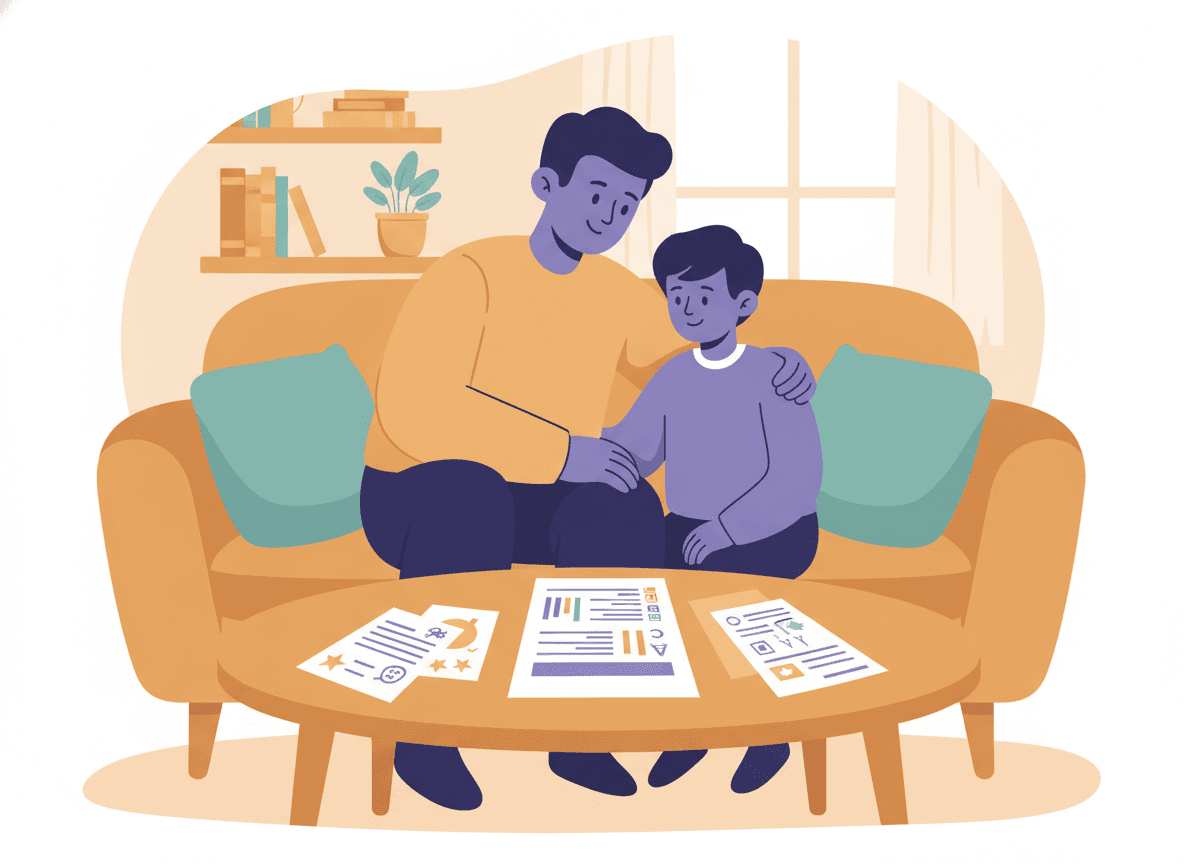
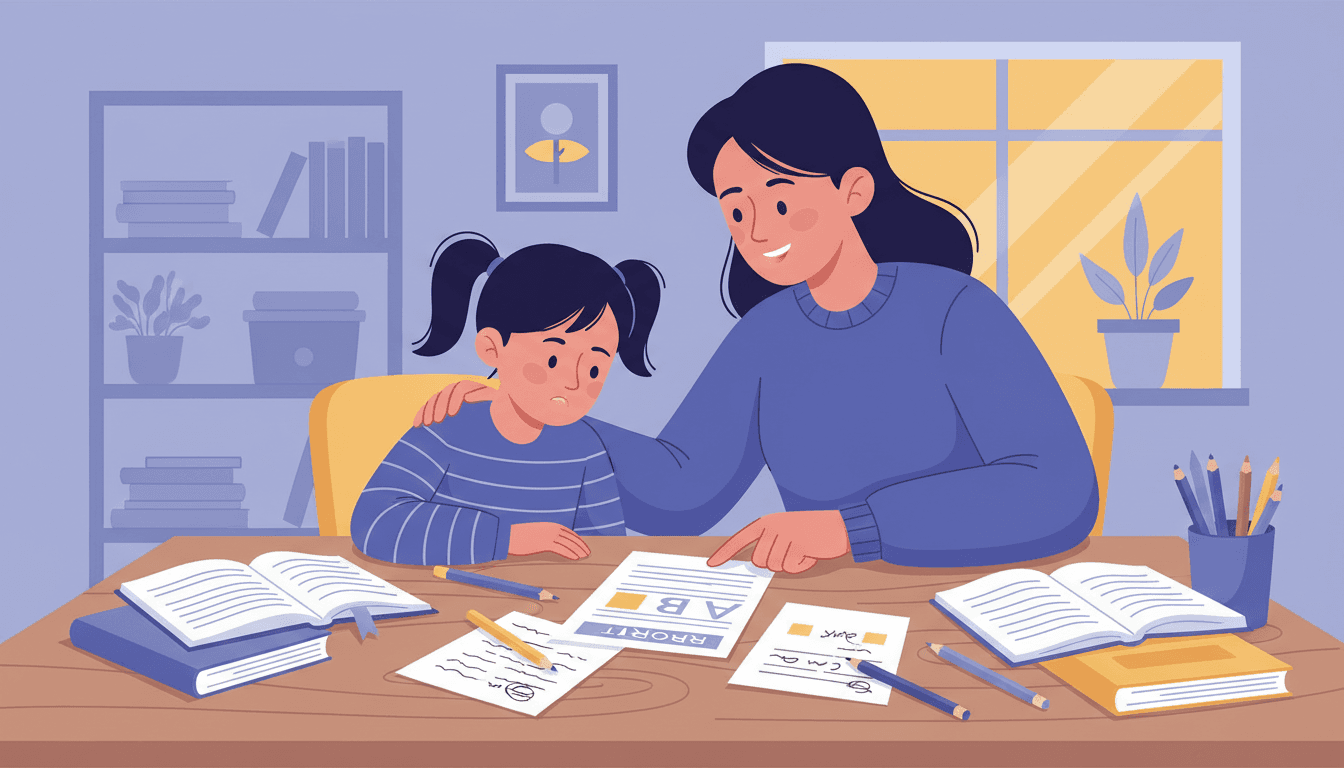
Report cards land in families' inboxes or backpacks four times a year. Without context, they often generate the same reaction regardless of the grades: confusion, anxiety, or defensiveness. Families who have not heard anything all quarter suddenly have a formal assessment in their hands and no framework for understanding it.
Newsletters before and after report card season change this. Here is how to use them.
Two weeks before report cards: set the context
The most effective thing you can do before report cards is help families understand what the grades or ratings mean and what goes into them. Many elementary schools use rubric-based scales rather than letter grades. Families often do not know what a "3" means versus a "4," or what "approaching grade level" looks like compared to "meeting grade level."
Use the pre-report-card newsletter to explain your grading scale in plain language. "Our report cards use a 1-4 scale. A 4 means a student is exceeding grade-level expectations, demonstrating skills beyond what is typically expected at this point in the year. A 3 means a student is meeting grade-level expectations and demonstrates solid understanding of the current curriculum. A 2 means a student is approaching grade level and needs additional support or practice in that area. A 1 means a student is working significantly below grade level expectations."
That explanation, once in the newsletter before each report card, prevents hours of family confusion.
What to explain about specific subject areas
Before report cards, give families a brief summary of what you assessed in each major subject area this quarter. This frames the report card as a reflection of specific learning rather than a judgment of the child.
"This quarter in reading, students were assessed on their ability to identify the main idea and supporting details in informational text, their reading fluency at grade-level passages, and their use of comprehension strategies before, during, and after reading. In math, the assessment focused on place value through the thousands, addition and subtraction with regrouping, and early multiplication concepts."
Families who read this before the report card arrives know what to expect and can look at each category with context.
Normalize the range of outcomes
Many families assume their child is "on track" until they see evidence otherwise. The pre-report-card newsletter is a good time to normalize the fact that children develop at different rates and that a 2 or "approaching" designation is not a crisis.
"Our class reflects the full range of elementary development. Some students are ahead of grade level in certain areas. Some are right at grade level. Some are working toward it. All of these are normal. A 2 on a report card is information, not a verdict. It means we are aware of a gap and are working on it together. If you receive a report card with concerns and want to discuss it, I am always available to talk through a plan."
One week before: the reminder and conference sign-up
If you hold parent-teacher conferences around report card time, send a short reminder newsletter one week before conferences open. Include the sign-up link or method prominently. Families who received the two-week context newsletter are more likely to sign up for a conference because they are already thinking about the upcoming evaluation.
Keep the reminder brief. The context was already provided. This newsletter just directs action.
After report cards: the follow-up newsletter
Send a follow-up newsletter within a week after report cards go home. This newsletter serves several purposes. It acknowledges that families have now seen the report card. It addresses common questions you received. It shares what students will be working on next quarter and how families can support the learning.
"Now that report cards have gone home, I want to share a bit about what comes next. Students who received a 2 in reading fluency will be participating in our small group fluency practice three times a week. Students who received a 3 or 4 will be working on more complex comprehension tasks. For every student, the goal in the second quarter is growth from wherever they are now."
How to handle difficult conversations after report cards
The families who reach out after a difficult report card are the ones who want to be partners. The newsletter can direct them efficiently. "If your child's report card raised questions or concerns, please email me to schedule a time to talk. I have time available on [days]. I want to share what I see in class and work with you on a specific support plan."
A calm, direct invitation is more effective than leaving families to figure out how to reach you.
Building report card newsletters efficiently
Report card season is one of the busiest times of the school year. Writing two or three newsletters around report card time sounds like extra work. In practice, if you use a consistent structure, the total writing time is under an hour spread across two to three weeks.
Daystage keeps the process manageable. Your template is already set. The pre-report-card newsletter reuses the same format as every other newsletter, just with different content. The clarity it provides families, and the conversations it prevents from going sideways, is worth every minute of the investment.
What report card newsletters prevent
The family who calls furious about a grade they did not understand. The parent who pulls their child from a reading group based on a misread report card. The conference where forty-five minutes is spent explaining the grading scale instead of discussing the child.
A good pre-report-card newsletter prevents most of these. Context given in advance is far more effective than context given in reaction to an upset family. Do not wait for the report card to arrive. Send the newsletter first.
Get one newsletter idea every week.
Free. For teachers. No spam.
Frequently asked questions
When should elementary teachers send a newsletter related to report cards?
Send a context newsletter two weeks before report cards go home, a reminder with conference sign-up one week out, and a follow-up within one week after report cards are distributed. Three newsletters per report card cycle prevents most family confusion and reactive calls.
What should an elementary report card newsletter include for families?
Explain your grading scale in plain language, summarize what was assessed in each major subject area this quarter, and normalize the full range of developmental outcomes. Families who understand what a '2' means before the report card arrives are far calmer than families who encounter the scale for the first time on report card day.
How long should a pre-report-card newsletter be for elementary families?
300 to 400 words is enough. The goal is to give families a clear framework before the report card arrives, not to cover every possible question. One paragraph per subject area with plain-language descriptions of what was assessed is exactly right.
What are common mistakes elementary teachers make with report card communication?
Sending no newsletter before report cards is the biggest mistake. Families who receive a formal assessment with no prior context often react with confusion, anxiety, or defensiveness. Context given in advance is far more effective than context given in reaction to an upset family.
How does Daystage help elementary teachers manage report card season newsletters?
Daystage keeps the process manageable when the school year is at its most demanding. Your template is already set, so the pre-report-card newsletter reuses the same format as every other newsletter, just with report-card-specific content. The total writing time across two to three weeks stays under one hour.

Adi Ackerman
Author
Adi Ackerman is a former classroom teacher and curriculum writer with 8 years in K-8 schools. She writes about school communication, parent engagement, and what actually works in real classrooms.
More for Elementary
Ready to send your first newsletter?
3 newsletters free. No credit card. First one ready in under 5 minutes.
Get started free