
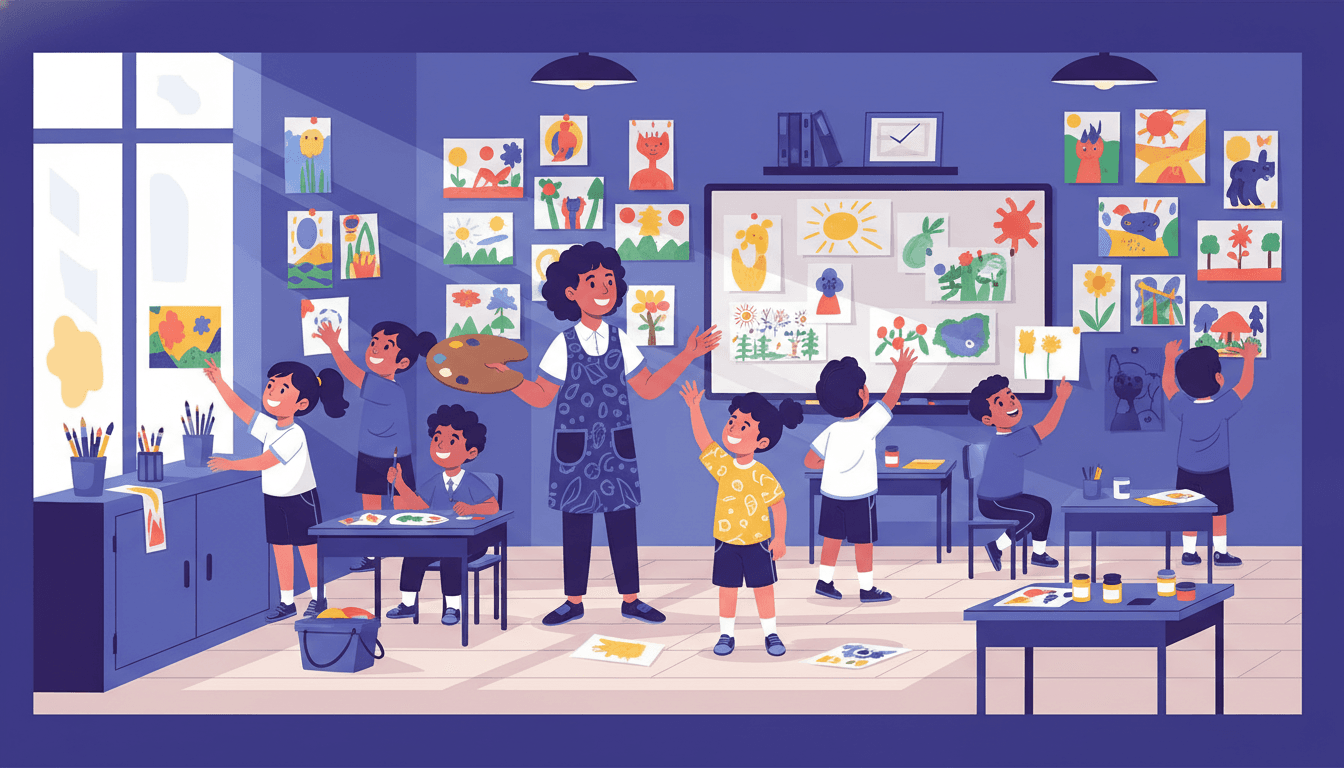
Cultural Heritage Month Newsletter for Elementary Schools
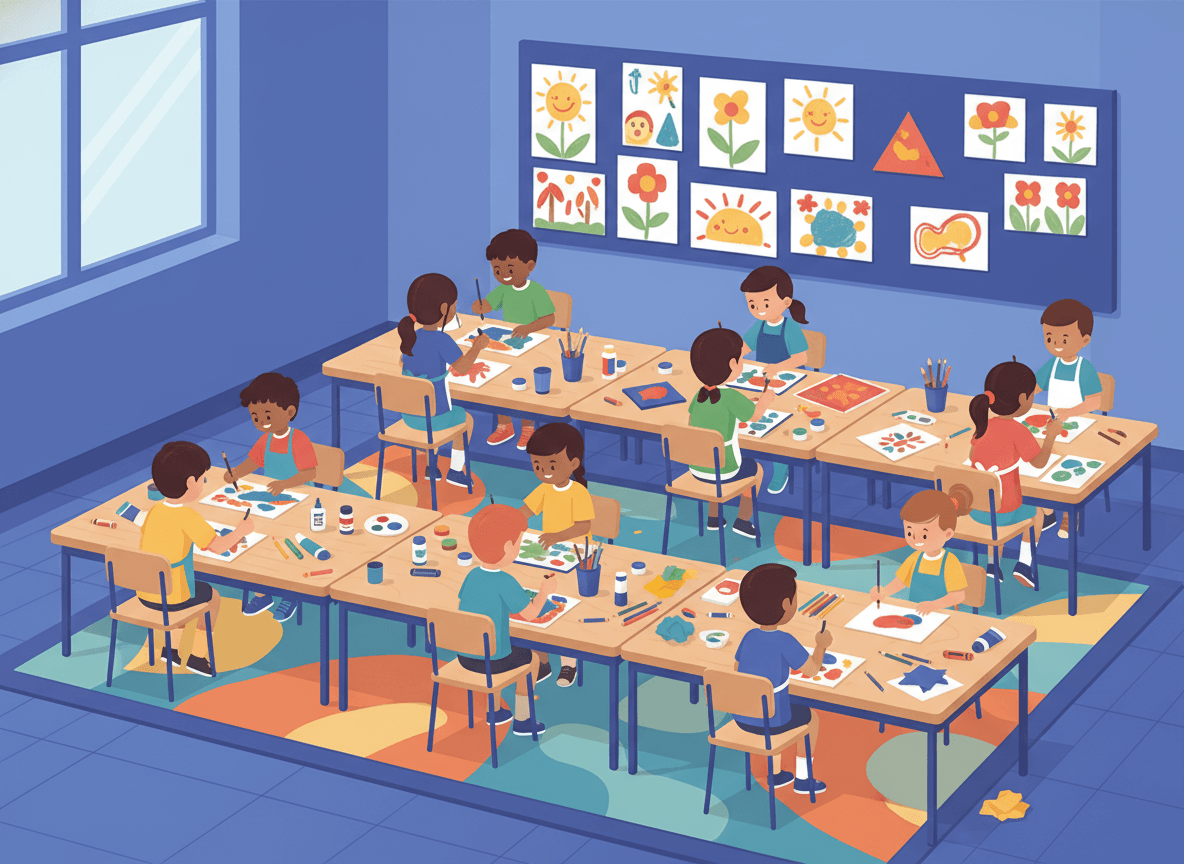
Cultural heritage months are a recurring feature of the elementary school calendar, but their impact on students and families depends almost entirely on how they are communicated and carried out. A newsletter that describes substantive learning, invites family participation, and explains why the recognition matters creates a community experience that goes far beyond bulletin board decoration.
Setting the context before the month begins
Families who receive a newsletter before the heritage month starts, not after, have time to participate meaningfully. A brief pre-month newsletter section can cover what heritage month is being recognized and why, what students will be learning across subject areas, and how families can contribute if they choose.
This lead time is especially valuable for families who want to share something personal about their own heritage or cultural background. A request that arrives one week before the heritage celebration gives families almost no time to prepare. A request that arrives three weeks ahead gives them time to think about what they want to share.
Describing real learning, not just activities
The newsletter should connect heritage month activities to the academic learning that grounds them:
- Which authors from this heritage are students reading and what literary skills are they developing through those texts?
- Which historical figures are being studied and what curriculum standards does that connect to?
- What art, music, or cultural expressions are students exploring and what skills are being developed?
Families who see the academic substance behind the celebration treat it as education rather than as a seasonal theme.
Inviting family contributions in a specific, low-barrier way
Some of the most powerful heritage month moments in elementary classrooms come from family contributions. A grandmother who shares a family recipe and the story behind it. A parent who brings in photographs and explains what a holiday means in their family's tradition. A sibling who plays a piece of music.
But families only participate when the invitation is specific and pressure-free. Be clear that there is no obligation, that contributions of any size are welcome, and that the teacher is available to discuss what participation might look like for any family that is interested.
The follow-up newsletter: showing what happened
A brief post-month newsletter section with two or three photos and a description of what the class experienced closes the communication loop. Families who contributed feel acknowledged. Families whose children's heritage was represented feel seen. And the whole community gets a window into a month of learning that most families only glimpsed through their child's descriptions at the dinner table.
Get one newsletter idea every week.
Free. For teachers. No spam.
Frequently asked questions
How should an elementary newsletter introduce a cultural heritage month to families?
Explain which heritage month the class or school is recognizing, what that month commemorates or celebrates, and what students will be learning and doing as part of the recognition. Families who understand the purpose and the plan are more engaged participants than those who receive a generic announcement without context.
How can elementary teachers invite families to participate in cultural heritage month activities?
Offer specific, low-barrier ways for families to contribute: sharing a family food or recipe, contributing a photo or artifact, attending a classroom celebration, or speaking briefly to the class about their own heritage. Keep the request optional and welcoming rather than mandatory or high-stakes, so families from every background feel comfortable participating at whatever level fits their situation.
What should a teacher do if the heritage month being recognized does not reflect the demographics of the class?
The newsletter is a good place to explain that heritage months celebrate contributions that belong to the entire community, not just students of a specific background. Learning about the history and contributions of any cultural group is part of a complete education. Framing the learning as universally relevant reduces the 'this is not for me' response some students and families experience.
How can the newsletter make cultural heritage month feel substantive rather than token?
Describe the specific books being read, the historical figures being studied, the art being made, and the connections being drawn to curriculum standards. A newsletter that lists concrete activities and learning outcomes shows families that cultural heritage month involves serious study, not decoration.
How does Daystage help teachers communicate cultural heritage events to elementary families?
Daystage supports multilingual newsletter distribution, which matters directly for cultural heritage communication. When families receive newsletters in their preferred language, cultural heritage celebration reaches the families whose heritage is being recognized in a way that English-only communication cannot.

Adi Ackerman
Author
Adi Ackerman is a former classroom teacher and curriculum writer with 8 years in K-8 schools. She writes about school communication, parent engagement, and what actually works in real classrooms.
More for Elementary
Ready to send your first newsletter?
3 newsletters free. No credit card. First one ready in under 5 minutes.
Get started free