
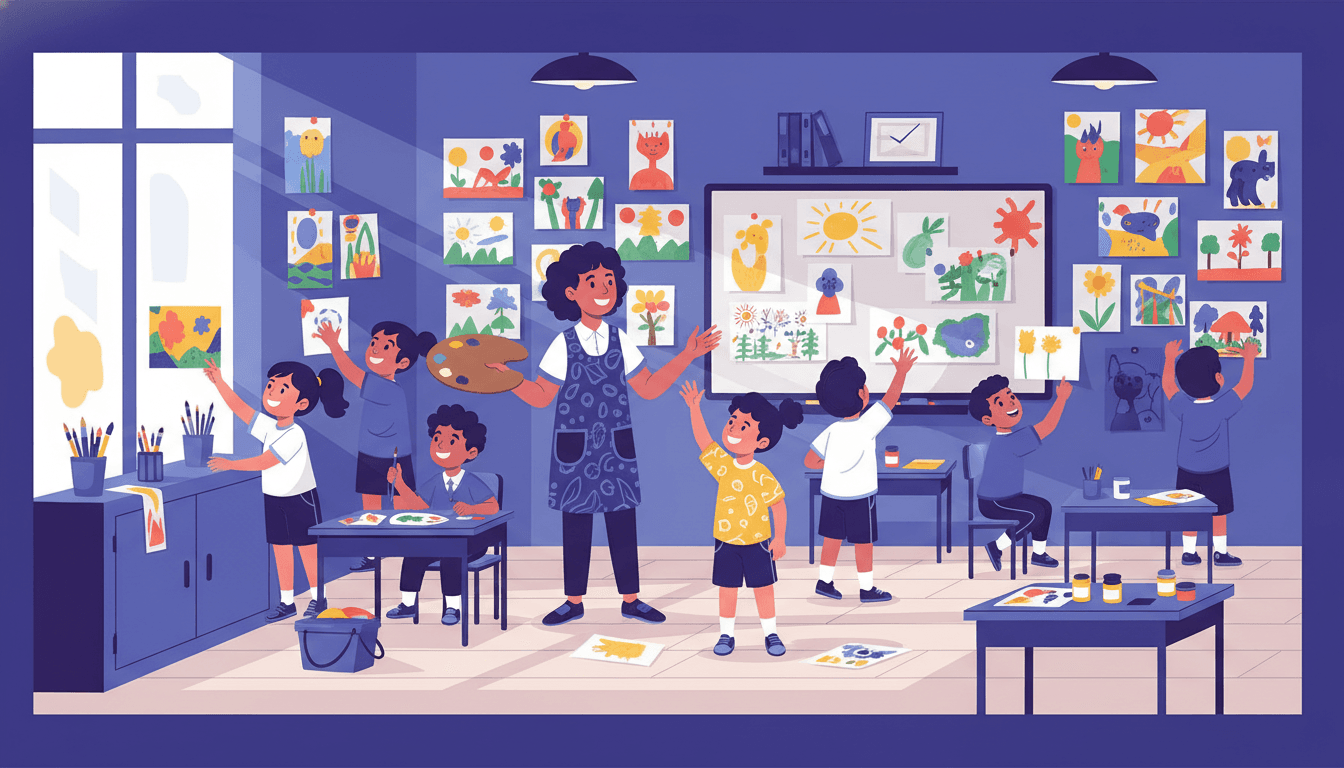
Celebration of Learning Newsletter for Elementary Classrooms
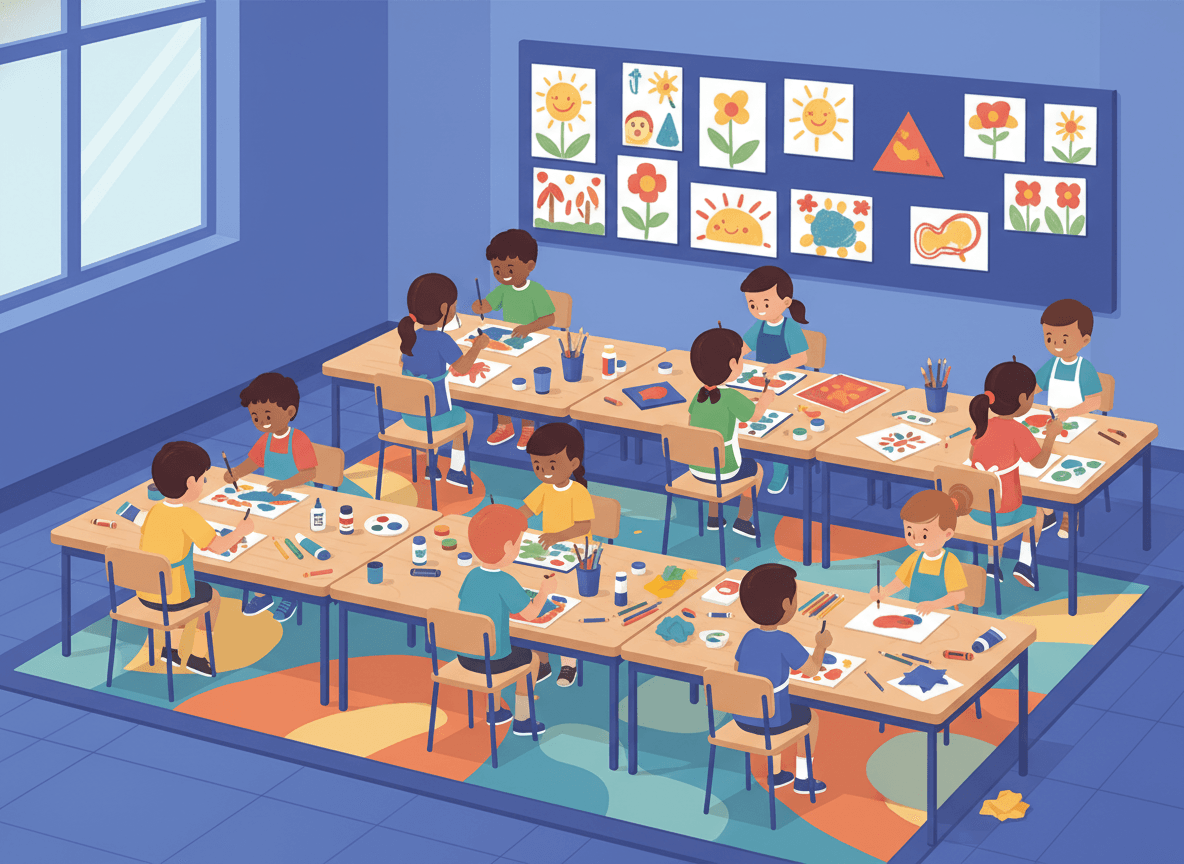
A celebration of learning inverts the traditional parent-teacher conference model. Instead of the teacher presenting the child's progress to the parent, the student presents their own work to their family. The result is more memorable for students, more engaging for families, and more powerful for the development of self-awareness and communication skills than any report card ever achieves. The newsletter is what makes it work.
The invitation that sets the right expectations
Families who arrive at a celebration of learning expecting a traditional conference are often confused when they are handed off to their child to be led through project displays rather than seated across from the teacher. The newsletter can prevent that confusion entirely.
Explain the format clearly: "This is a student-led event. Your child will guide you through their work and explain what they learned, what they found challenging, and what they are proud of. Your role is to listen, ask questions, and celebrate their progress. The teacher will be available to answer questions, but your child will be the presenter."
What students will be sharing
The newsletter should give families a preview of what to expect so the visit feels oriented and purposeful:
- The specific projects, portfolios, or demonstrations students have prepared
- Which subject areas are represented
- What the displays or presentations look like physically
- Approximately how long the student presentation takes
- Whether there are other students presenting in the classroom at the same time
Questions families can use during the visit
The newsletter can provide families with conversation starters that make the visit more meaningful:
- "What are you most proud of in this project?"
- "What was the hardest part and how did you work through it?"
- "What would you do differently if you did this again?"
- "What do you want me to understand about what you learned?"
These questions prompt genuine reflection rather than surface-level show-and-tell. Students who answer them thoughtfully develop a stronger sense of their own learning than students who simply display their work and move on.
Including families who cannot be there in person
Work schedules, transportation, and other obligations prevent some families from attending during school hours. The newsletter should describe the alternative path clearly: what happens to the portfolio afterward, whether students will record or document their presentation, and how families who missed the event can still engage with their child's work at home.
A teacher who builds in an alternative keeps the purpose of the event alive for every student, not just those whose families could attend.
Get one newsletter idea every week.
Free. For teachers. No spam.
Frequently asked questions
What is a celebration of learning and how should the newsletter describe it to families?
A celebration of learning is an event where students share projects, portfolios, or demonstrations of their work with visiting family members. Unlike a traditional parent-teacher conference, the student leads the presentation. The newsletter should explain this format clearly so families arrive understanding that they are not there to listen to the teacher but to engage with their child's work and hear their child explain what they learned.
What should families do to prepare for a celebration of learning visit?
The newsletter can suggest specific questions families can ask their child during the event: 'What are you most proud of in this project?' 'What was the hardest part?' 'What do you wish you had done differently?' These questions prompt reflection and meaningful conversation rather than the yes/no interactions that often happen when family visits are unstructured.
How should the newsletter handle families who cannot attend in person?
Acknowledge that not all families can attend during school hours and describe the alternatives: a recording of the student presentation, a portfolio that goes home for family review, or a virtual option if available. A newsletter that anticipates barriers to participation signals that the teacher wants every family included, not just those who can rearrange their work schedule.
What should the newsletter say about what students will be presenting?
Be specific about the subject areas, projects, or learning portfolios students will share. Families who know their child will be presenting a science inquiry project, a writing portfolio, and a math problem-solving showcase arrive prepared to engage meaningfully with each area rather than as surprised spectators.
How does Daystage help teachers communicate celebration of learning events to elementary families?
Daystage makes it easy to include event details, student preparation notes, and family discussion prompts in a single formatted newsletter section. A well-organized invitation leads to higher family attendance and more engaged visits than a text-only email with limited details.

Adi Ackerman
Author
Adi Ackerman is a former classroom teacher and curriculum writer with 8 years in K-8 schools. She writes about school communication, parent engagement, and what actually works in real classrooms.
More for Elementary
Ready to send your first newsletter?
3 newsletters free. No credit card. First one ready in under 5 minutes.
Get started free