

District Newsletter: Year Two of Our Strategic Plan
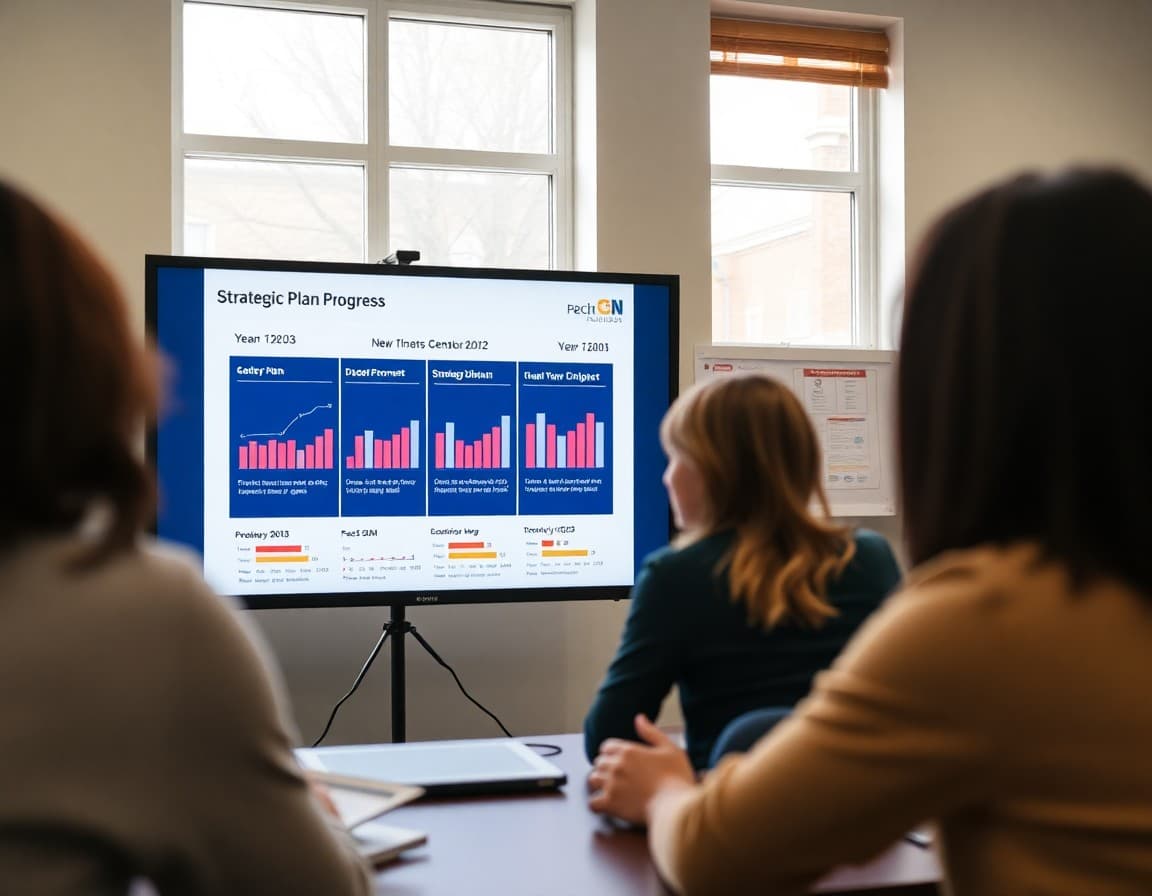
A year two strategic plan update is a different kind of communication than the year one launch. By now, families have context. They heard the goals. They remember the commitments. What they want now is the honest accounting: what is actually changing in schools, where the district is on track, and where it needs to work harder. A year two update that delivers that accounting builds the kind of trust that sustains a five-year plan.
Recap the Plan's Core Commitments
Open with a brief reminder of the plan's core goals. Keep this to one paragraph. Many families have not been tracking the plan closely and need context before the data means anything. A quick summary of the three to five goals the plan committed to tracking orients readers without requiring them to go back and find the original plan document.
Compare Year One to Year Two Data
The most important section of a year two update is the before-and-after data comparison. For each indicator the plan is tracking, show the year one baseline, the year two target, and the current measurement. A simple format: goal, baseline, target, current status. That structure makes progress visible at a glance and shows families that the district is measuring what it committed to measuring.
Explain the Adjustments Made
Year two of any strategic plan includes changes based on what year one taught the district. Name those changes explicitly. If the district tried one approach to improving math proficiency and the data showed it was not working, describe what was tried, what the data showed, and what the district changed. That level of transparency demonstrates that the plan is driving actual decisions, not just providing cover for decisions made for other reasons.
Acknowledge Goals That Are Off Track
Strategic plans almost always have goals that are harder to achieve than anticipated. A year two newsletter that acknowledges these honestly is more credible than one that does not. Name the goals that are behind schedule, explain what the district understands about why, and describe what the adjusted plan is. Families can accept setbacks when they come with analysis and a response. They struggle with setbacks that appear to be ignored.
A Sample Data Comparison Section
"Goal: increase third-grade reading proficiency to 70% by year three. Year one baseline: 58%. Year one target: 63%. Year one actual: 61%. Year two target: 66%. Year two actual (spring assessment): 64%. We are two points behind our year two target. We have added reading intervention staffing at three elementary schools and are adjusting the summer literacy program based on year one data. Our path to 70% by year three remains achievable but requires the adjustments we are now making."
Highlight What Is Working
Year two typically shows areas where the plan is delivering. Celebrate those specifically. Name the school or program where a goal is on or ahead of track. Describe what the district believes is driving the positive results. Recognizing progress publicly reinforces the behaviors and investments that are producing it and gives staff and families something concrete to point to.
Preview Year Three Priorities
Close with a forward look at year three. Based on what years one and two have taught the district, what are the highest-priority focus areas heading into year three? Which goals will require the most sustained attention? What new initiatives are being added and what is the evidence base for them? A forward-looking close keeps families oriented and signals that the plan continues to guide the district's work.
Commit to the Next Update
Close with a specific commitment to the next strategic plan communication: the date families can expect a mid-year update, the format it will take, and how they can provide input. Accountability requires a predictable rhythm of reporting. Stating that rhythm in the newsletter itself makes it harder for the district to skip a cycle when conditions are challenging.
Get one newsletter idea every week.
Free. For teachers. No spam.
Frequently asked questions
How does a year two strategic plan update differ from a year one update?
Year one is primarily about launching the plan and introducing the goals. Year two is about accountability. By year two, families expect to see whether the plan is actually changing outcomes. The year two newsletter should compare current data to the year one baseline, explain what adjustments have been made based on what year one taught the district, and show that the plan is a living accountability tool, not a static document.
How do you communicate strategic plan adjustments without undermining confidence in the plan?
Frame adjustments as evidence that the district is learning and responding to data, not as admissions of failure. 'We learned in year one that our approach to X was not producing the results we expected. Based on that, we changed Y' demonstrates adaptive leadership. The alternative, pretending adjustments were not needed, undermines trust more than any honest admission of a course correction.
What data visualizations work well in a year two strategic plan newsletter?
A simple trend chart showing the year one baseline, the year two target, and the current measurement is the most useful format. Bar charts comparing student group performance are effective for equity goals. Simple percentage comparisons between years are accessible for most readers. Avoid complex tables with too many variables. The goal is clarity, not comprehensiveness.
Should a year two newsletter acknowledge goals the district has not met?
Yes, without question. Families who see the data themselves, or who know a principal or teacher who sees the data, will notice if the district omits goals that are off track. Addressing shortfalls directly, with context and a response plan, builds far more trust than a newsletter that only reports on areas of progress.
What platform makes strategic plan update newsletters easy to create and distribute?
Daystage lets district teams build data-rich newsletters with charts, summary boxes, and links to full reports. You can send to all schools at once and see which communities are engaging with the update.

Adi Ackerman
Author
Adi Ackerman is a former classroom teacher and curriculum writer with 8 years in K-8 schools. She writes about school communication, parent engagement, and what actually works in real classrooms.
More for District
Ready to send your first newsletter?
3 newsletters free. No credit card. First one ready in under 5 minutes.
Get started free