

How School Districts Can Use Internal Newsletters for HR and Staff Communication
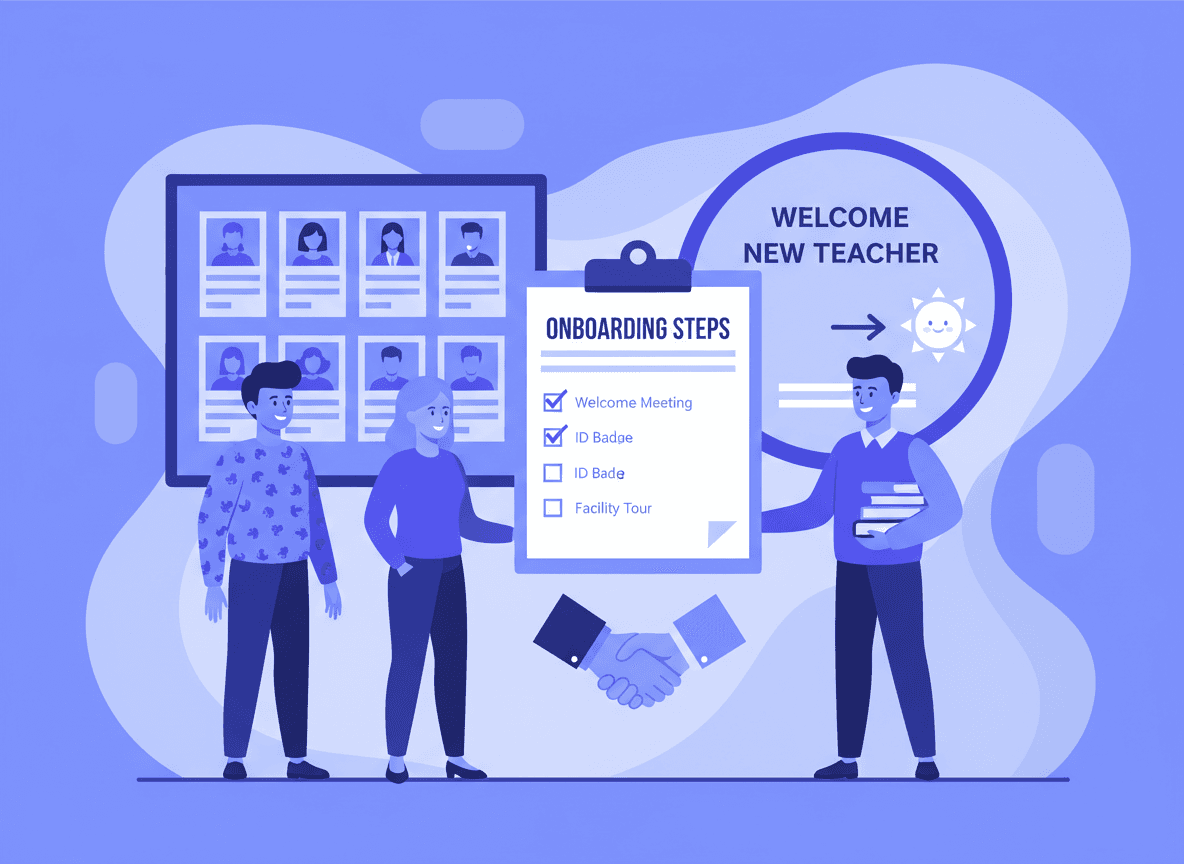
School district staff, teachers, paraprofessionals, administrative staff, custodial and facilities employees, and bus drivers are often the last group to receive clear, consistent internal communication. Districts invest in family-facing newsletters, board communication, and community updates while their own employees find out about policy changes, benefit updates, and professional development opportunities through word of mouth, email chains, and the occasional staff meeting.
This is a missed opportunity. Internal newsletters for staff serve a different purpose than external newsletters for families, but the same principle applies: consistent, professional communication builds trust, reduces confusion, and creates the conditions for people to do their best work.
Why an internal staff newsletter is different from general district communication
Staff newsletters cover content that is not appropriate for family-facing communications: HR policy updates, benefits enrollment windows, payroll changes, professional development calendars, internal job postings, labor relations updates, and staff-specific operational changes.
This content needs its own vehicle. When HR updates appear buried inside the same newsletter as community information and family news, they get lost. Staff who miss a benefits enrollment deadline or misunderstand a policy change because the information was buried in a general communication creates real problems for HR and for the employee.
A dedicated internal staff newsletter, sent separately from any external communications, signals that the district treats its employees as a distinct and important audience.
What belongs in a staff newsletter
The content categories for an internal staff newsletter follow the information needs of different employee groups:
- HR deadlines and benefits windows. Open enrollment for health insurance, FSA elections, retirement contribution changes, wellness program deadlines. These need prominent placement and clear action items. Staff who miss these deadlines often discover the consequences months later when they are dealing with a health issue or financial situation they expected coverage for.
- Policy updates. Any change to district policy that affects employees: leave policies, evaluation procedures, professional development requirements, technology acceptable use updates for staff devices, reporting obligations. Summarize the change and link to the full policy.
- Professional development opportunities. District-provided PD, external training programs the district is supporting, conference opportunities, certification and licensure renewal resources. Many staff members want to pursue professional growth but do not know what resources are available to them.
- Internal job postings. Open positions within the district. Staff often prefer to move into new roles internally before external candidates are considered. A newsletter that includes internal postings before they go public builds loyalty and reduces external hiring costs.
- Payroll and compensation updates. Mid-year salary adjustments, changes to payroll schedules, tax form availability dates, expense reimbursement process reminders. These are not exciting topics. They matter enormously to the people who depend on accurate, on-time paychecks.
- Operational updates affecting staff. Facility changes, technology system updates, changes to procedures that staff use day to day. When the district updates the absence reporting system or changes the process for submitting purchase requests, staff need to know before they discover it through a failed attempt to use the old process.
- Staff recognition. Years-of-service milestones, retirements, new staff welcomes, award recognition. Brief, specific, and genuine. Not a generic "thank you to all of our staff for their hard work" but specific recognition of specific people.
- Superintendent and leadership updates. The same strategic transparency that works in family-facing communications works with staff. What is leadership focused on? What decisions were made recently and why? What does leadership see as the most important priorities for the coming months?
Frequency for staff newsletters
Biweekly works well for most district staff newsletters. Monthly misses time-sensitive HR content. Weekly is too frequent to be sustainable and trains staff to skim rather than read.
Supplement the regular newsletter with targeted messages when a specific deadline or time-sensitive change requires immediate communication. Benefits open enrollment, for example, should get its own dedicated message at the start and end of the enrollment window, in addition to mentions in the regular newsletter.
Audience segmentation within staff
Not all staff content applies to all staff. Some communications apply only to certified staff. Some apply only to classified staff. Some apply only to administrators. Some apply only to staff at specific schools or in specific roles.
Build your internal staff newsletter subscriber list with segmentation options from the start. HR updates that only apply to paraprofessionals should not be cluttering the inbox of teachers who are reading the newsletter for professional development information.
In practice, a single weekly newsletter covers broadly applicable content. Targeted messages go to relevant subgroups when the content warrants it.
Tone for internal staff communication
Staff newsletters should sound like communication from trusted colleagues, not like HR memos. The information is often the same. The tone makes the difference in whether people read it.
Write in plain language. Avoid acronyms without explanation, even for internal audiences where you might assume common knowledge. Staff turnover means new employees encounter every newsletter. Write for them too.
Acknowledge that the topics are not always exciting. "Benefits enrollment can be confusing. Here are the three things you actually need to do in the next two weeks" is more useful and more human than a formal benefits enrollment notice.
Leadership communication in the staff newsletter
Staff newsletters benefit significantly from direct communication from district leadership. A superintendent message in the staff newsletter, even a brief one, signals that leadership values staff enough to communicate directly with them.
The most effective leadership messages in staff newsletters are honest and specific: what the district is focused on, what challenges leadership is navigating, what the superintendent values about the work staff are doing. Not generic appreciation, but specific acknowledgment.
Districts where leadership communicates directly and honestly with staff tend to have better morale and lower turnover than those where staff receive information only through official channels or through rumor networks.
Building the staff newsletter into the HR communication calendar
The staff newsletter should be a planned component of the HR communication calendar, not an ad-hoc production. Map the newsletter content to the HR calendar: benefits open enrollment, performance evaluation cycles, professional development registration windows, contract renewal periods.
When these events are built into the newsletter calendar in advance, the people responsible for content have time to prepare clear, complete communications rather than rushing something out at the last minute.
Using Daystage for internal staff newsletters
Daystage's subscriber management and professional newsletter format work as well for internal staff newsletters as they do for family-facing communications. A separate subscriber list for staff, distinct from the family subscriber list, keeps internal and external communications cleanly separated.
Staff who receive a consistently professional, well-formatted newsletter are more likely to read it and trust its content than staff who receive inconsistently formatted emails from different HR systems.
The district's relationship with its staff is foundational to everything else the district does. Consistent, clear internal communication is one of the simplest ways to invest in that relationship.
Get one newsletter idea every week.
Free. For teachers. No spam.
Frequently asked questions
When should school districts send staff HR newsletters?
Biweekly works well for most internal staff newsletters. Monthly misses time-sensitive HR content like benefits enrollment windows. Supplement the regular newsletter with targeted messages for specific deadlines such as the start and end of open enrollment, which need their own dedicated communications in addition to newsletter mentions.
What should a district internal staff newsletter include?
Cover the full range of employee information needs: HR deadlines and benefits windows with clear action items, policy updates with links to full documents, professional development opportunities, internal job postings before they go public, payroll and compensation updates, operational changes affecting staff workflow, staff recognition, and direct leadership updates from the superintendent.
How should districts manage internal communication across different staff categories?
Build staff subscriber lists with segmentation options from the start. HR updates that apply only to paraprofessionals should not appear in the feed teachers use primarily for professional development information. A single newsletter covers broadly applicable content, while targeted messages go to relevant subgroups when the content warrants it.
What are common challenges in district-level internal staff communication?
Staff are often the last group to receive clear, consistent internal communication. Districts invest in family-facing newsletters while their own employees find out about policy changes and benefit updates through word of mouth. Without a dedicated internal newsletter, HR deadlines get missed, policy changes are discovered through failed attempts to use old processes, and leadership communication only reaches staff during crises.
How does Daystage support district staff newsletters?
Daystage's subscriber management and professional newsletter format work as well for internal staff newsletters as they do for family-facing communications. A separate subscriber list for staff, distinct from the family subscriber list, keeps internal and external communications cleanly separated. Staff who receive a consistently professional newsletter are more likely to read it and act on its content.

Adi Ackerman
Author
Adi Ackerman is a former classroom teacher and curriculum writer with 8 years in K-8 schools. She writes about school communication, parent engagement, and what actually works in real classrooms.
More for District
Ready to send your first newsletter?
3 newsletters free. No credit card. First one ready in under 5 minutes.
Get started free