
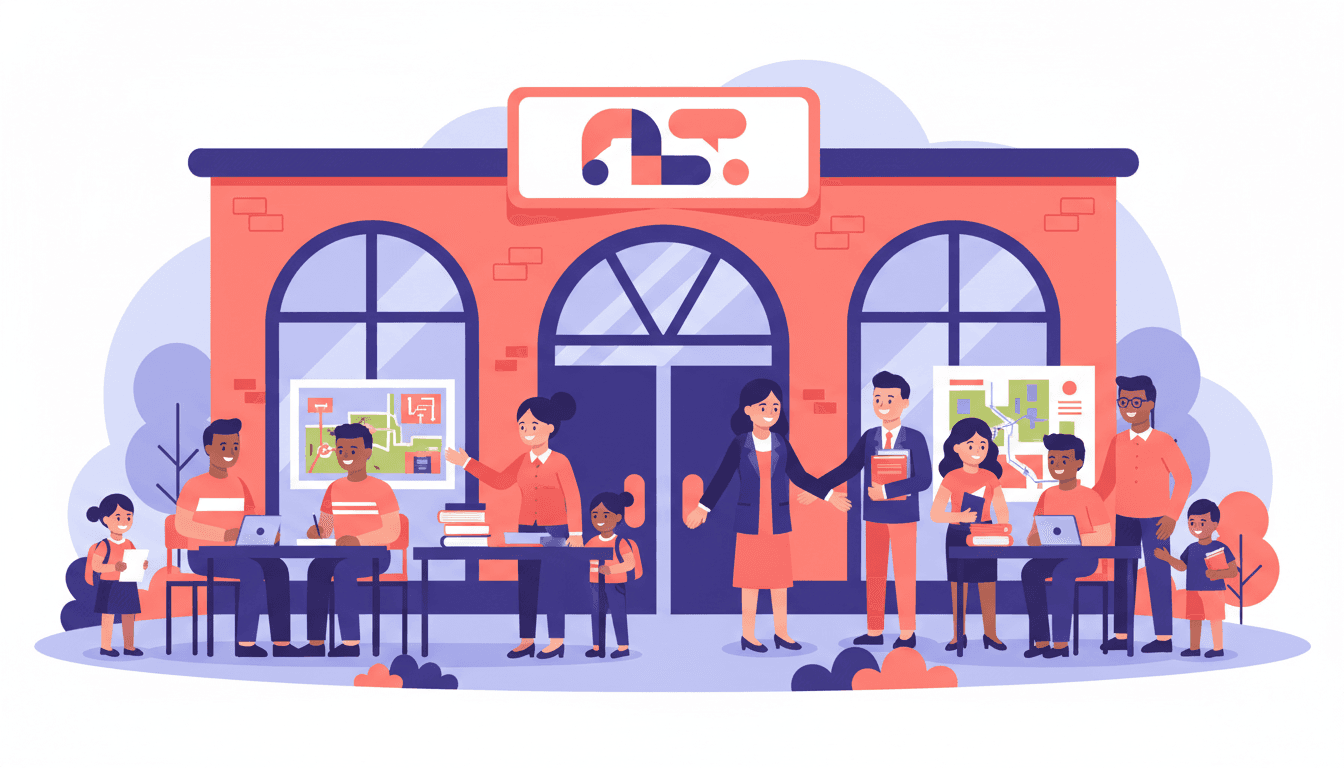
How School Districts Should Communicate During Enrollment Season
Enrollment season is one of the highest-stakes communication periods in the school district calendar. Families are making decisions about where their children will go to school. Deadlines matter. Missing one can mean a child ends up on a waitlist or assigned to a school across town.
Yet most districts communicate enrollment information exactly once, in a single letter or email, and then wonder why so many families miss the deadline or show up to enrollment events without the required documents. Enrollment season requires a communication strategy, not a single announcement.
When enrollment communication should start
For most districts, enrollment season runs from January through March, with deadlines for the following school year falling somewhere in that window. District enrollment communication should start no later than six weeks before the first major deadline.
Six weeks is enough time for families to gather documents, attend information sessions, and make informed decisions without feeling rushed. It is also long enough for a communication sequence that builds awareness gradually, rather than creating panic in the week before the deadline.
What enrollment newsletters should cover
Enrollment communications fail when they assume families already understand the process. Most families, especially those new to the district or enrolling a kindergartner for the first time, do not know what school choice means, what documents they need, or how to request a school transfer.
Build your enrollment newsletter sequence around the questions families most commonly ask the enrollment office:
- What is the enrollment process? A brief, step-by-step overview. What forms need to be completed, in what order, by when. No jargon. No references to policy code numbers families have no reason to know.
- What documents are required? Proof of residency, birth certificate, immunization records. List them specifically. Families who show up without documents get sent home, miss work a second time, and become frustrated with a district they might otherwise support.
- What is school choice, and who qualifies? If your district has a school choice or open enrollment policy, explain it clearly. Many families do not know this option exists. Many others misunderstand who qualifies.
- What are the deadlines? State them multiple times across multiple communications. A single deadline mention buried in paragraph four does not protect you from missed deadlines and frustrated families.
- Where to go for help. A phone number, email address, and physical location for families who have questions the newsletter does not answer.
A four-touch enrollment communication sequence
A four-touch sequence covers most districts well during enrollment season:
- Six weeks before deadline: Awareness message. Enrollment is coming. Here is what you need to know to prepare. Here are the key dates. Here is where to get more information.
- Three weeks before deadline: Process detail message. Here is exactly how to enroll, step by step. Here are the documents you need. Here is the school choice process if it applies to your family. Here is where to attend an information session.
- One week before deadline: Urgency message. The enrollment deadline is in seven days. Here is the link to the enrollment form or the office address. Here is what happens if you miss the deadline.
- One day before or day of deadline: Final reminder. Short. Just the deadline, the link or address, and a note that extensions are not guaranteed. This message should take under 30 seconds to read.
This sequence feels like a lot if you are used to sending one enrollment notice. In practice, families report feeling better informed and less stressed when communication is spread across multiple touchpoints.
Targeting enrollment communications by school level
Not every enrollment message applies to every family. Kindergarten enrollment information is irrelevant to families whose youngest child is in ninth grade. Middle school transition information does not apply to families at single-campus K-8 schools.
Segment your enrollment communications by school level from the start. Families with children entering kindergarten should receive early childhood enrollment information. Families with fifth graders should receive middle school transition enrollment information. Families with eighth graders should receive high school enrollment information.
If your subscriber list is segmented by school or grade level, this is straightforward. If it is not, now is a good reason to build that segmentation. The investment in setting up a segmented list pays dividends across every communication type, not just enrollment.
What to avoid in enrollment communications
Enrollment communications fail in predictable ways. The most common problems:
- Burying the deadline. Families should not have to read four paragraphs to find the date their enrollment forms are due.
- Using district-specific acronyms. Not every family knows what SIS, PEIMS, or AERIES means. Write in plain language.
- Assuming families have internet access or know how to use online portals. Always provide a phone number and physical location alternative to online enrollment.
- Making the enrollment message look like every other district communication. Enrollment messages should look distinct so families recognize them as time-sensitive, not just another monthly update.
After enrollment closes: what to send
Once enrollment closes, send a brief message to families who completed the process confirming receipt and explaining what comes next. When will they receive school assignments? When will they hear about school choice decisions? Is there a waitlist process?
This confirmation message reduces the volume of calls to the enrollment office asking "did my application go through?" It also makes families feel like the enrollment process was organized and respectful of their time.
Using Daystage to manage enrollment season communications
Managing four or more enrollment messages across a segmented subscriber list is exactly the kind of workflow that benefits from a dedicated school communication tool. With Daystage, you can set up your enrollment messages in advance, schedule them to go out at the right times, and track open and click rates to see which messages families actually read.
When the district office can see that the one-week deadline reminder had a 42 percent open rate but the three-week process detail message only had 18 percent, that is useful information for next year's enrollment communication strategy.
Enrollment season happens once a year. Communication data from this year makes next year's process measurably better.
Get one newsletter idea every week.
Free. For teachers. No spam.
Frequently asked questions
When should school districts start enrollment season communications?
Start no later than six weeks before the first major enrollment deadline. Six weeks is enough time for families to gather documents, attend information sessions, and make decisions without feeling rushed, while also supporting a multi-touch communication sequence that builds awareness gradually.
What should a district enrollment newsletter include?
Build every enrollment communication as if families are encountering the process for the first time. Cover the step-by-step process with no jargon, the specific documents required, what school choice and open enrollment options exist and who qualifies, all deadlines stated prominently, and a phone number and physical location for families without reliable internet access.
How should districts manage enrollment communications across multiple school levels?
Segment communications by school level from the start. Kindergarten enrollment information is irrelevant to families whose youngest child is in ninth grade. A family with a fifth grader needs middle school transition information, not elementary re-enrollment details. Sending targeted messages by school level reduces noise and increases the chance that time-sensitive information reaches the right families.
What are common challenges in district-level enrollment communication?
The most common failure is sending a single enrollment notice and then wondering why families miss the deadline or show up to events without required documents. Districts also routinely bury deadlines in paragraph text, use system-specific acronyms families have no reason to know, and make online-only enrollment forms inaccessible to families without consistent internet access.
How does Daystage help districts manage enrollment season communications?
Managing four or more enrollment messages across a segmented subscriber list is exactly the kind of workflow that benefits from a dedicated school communication tool. With Daystage, you can draft the full enrollment sequence in advance, schedule each message, and track open rates to see which messages families actually read, which directly informs the next year's strategy.

Adi Ackerman
Author
Adi Ackerman is a former classroom teacher and curriculum writer with 8 years in K-8 schools. She writes about school communication, parent engagement, and what actually works in real classrooms.
More for District
Ready to send your first newsletter?
3 newsletters free. No credit card. First one ready in under 5 minutes.
Get started free