

District Newsletter: Bond Project Construction Update
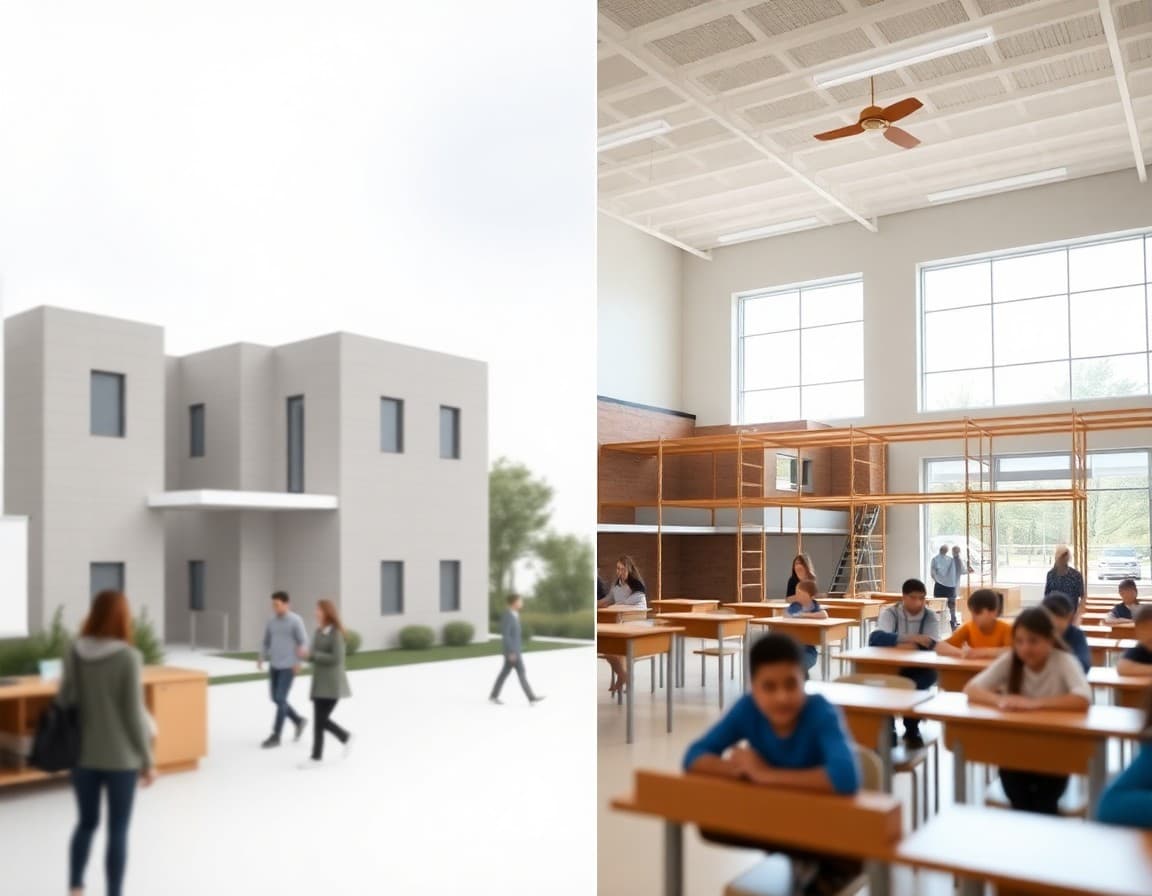
Bond-funded construction projects are one of the most visible expressions of the community's investment in its schools. When families voted yes on a bond measure, they expected to see results and to be kept informed about how their money is being spent. A regular bond project update newsletter is both an accountability tool and a trust-building practice.
Start With the Big Picture
Open with a summary of the overall bond program: the total amount authorized, the number of projects included, and where the program stands overall. How many projects are complete, how many are under construction, and how many are in design or planning? A short dashboard at the top of the newsletter gives families the program-level picture before drilling into specific projects.
Report on Each Active Project
For each project currently in construction, give a short update: the project name and school, the current phase of work, the expected completion date, and any notable milestones reached since the last update. If the project is on schedule and on budget, say so clearly. If there are changes, address them directly. Do not bury project status in general progress language.
Address Impacts on School Operations
Active construction near school buildings creates real impacts for families. Describe any changes to drop-off and pick-up zones, parking, access points, or bus routes. Note any noise windows and what the school is doing to minimize disruption to learning. If temporary classroom relocations are in effect, explain the setup and confirm that the educational program is not affected. Families with specific operational questions need a contact.
A Sample Project Status Section
"Jefferson Elementary Classroom Addition: As of November 2025, the foundation and structural framing are complete. Roofing and exterior work begin in December. The project remains on the original schedule for a June 2026 completion. Budget to date: $3.2 million committed of the $3.4 million approved. The six portable classrooms currently in use on the south field will be removed in August 2026. Students are not affected by construction noise during instructional hours."
Provide a Fiscal Summary
Include a spending summary at the bond program level. Total bond authorization, total expenditures to date, total committed contracts, and remaining balance should all appear. If the program is tracking under budget, explain what will happen with savings. If there are cost overruns in specific projects, describe them and the funding source being used to cover them. Transparency about spending is the single most effective way to build and maintain community confidence in bond management.
Introduce Upcoming Projects
Give families a preview of what is coming next. Which projects are moving from design into construction? When will families at specific schools begin to see construction activity? Is there a groundbreaking ceremony planned? Connecting the newsletter to upcoming events makes it feel forward-looking and keeps the bond program visible in a positive way rather than only communicating when there are problems.
Highlight Completed Projects
Celebrate completions. When a project is done, describe what was built, include a photo, and note when students and staff will begin using the facility. Connecting the bond measure vote to the finished building closes a communication loop that started when voters approved the measure. It also reinforces the public value of the investment.
Explain the Oversight Process
Bond-funded projects typically include an independent citizens oversight committee. Mention this committee, describe its role, and note when it meets. A brief reference to independent oversight signals accountability beyond the district's own reporting. Include a link to the most recent oversight committee report or meeting minutes.
Get one newsletter idea every week.
Free. For teachers. No spam.
Frequently asked questions
How often should a district send bond project updates to families?
At a minimum, send a major update each semester, with additional communications when there are significant milestones, unexpected delays, or changes to school operations. Families who voted for a bond measure or who are affected by construction near their child's school expect regular communication. Going quiet for months at a time generates rumors and erodes the trust the district needs for future bond measures.
What should a bond project update newsletter include?
Cover the overall program: which projects are in design, which are under construction, and which are complete. For projects actively under construction, share the current phase, the expected completion date, any changes from the original timeline, and the current expenditure compared to the budget. Note any impacts on school operations: traffic patterns, noise windows, temporary classroom relocations, or access restrictions.
How do you communicate construction delays without damaging trust?
Be direct and specific about what caused the delay, how long the project will be extended, and whether there is a cost impact. Families understand that construction projects encounter complications. What damages trust is silence, vague language, or discovering delays from a source other than the district. A direct explanation with a revised timeline is far better than a delayed or sanitized update.
Should a bond update newsletter address budget questions?
Yes. Bond-funded projects are paid for by taxpayers, and regular spending accountability is part of the district's obligation. Include the total bond authorization, the total committed to date, the amount spent to date, and the remaining balance. If there are cost overruns or savings, explain them. A simple fiscal summary builds the confidence communities need to support future bond measures.
What platform helps district communicate bond project updates to all families?
Daystage allows district communications teams to send bond update newsletters to all school communities at once, with embedded photo galleries, project maps, and links to detailed reports on the district website.

Adi Ackerman
Author
Adi Ackerman is a former classroom teacher and curriculum writer with 8 years in K-8 schools. She writes about school communication, parent engagement, and what actually works in real classrooms.
More for District
Ready to send your first newsletter?
3 newsletters free. No credit card. First one ready in under 5 minutes.
Get started free