

December Budget Update Newsletter: What School Districts Should Communicate at Year-End
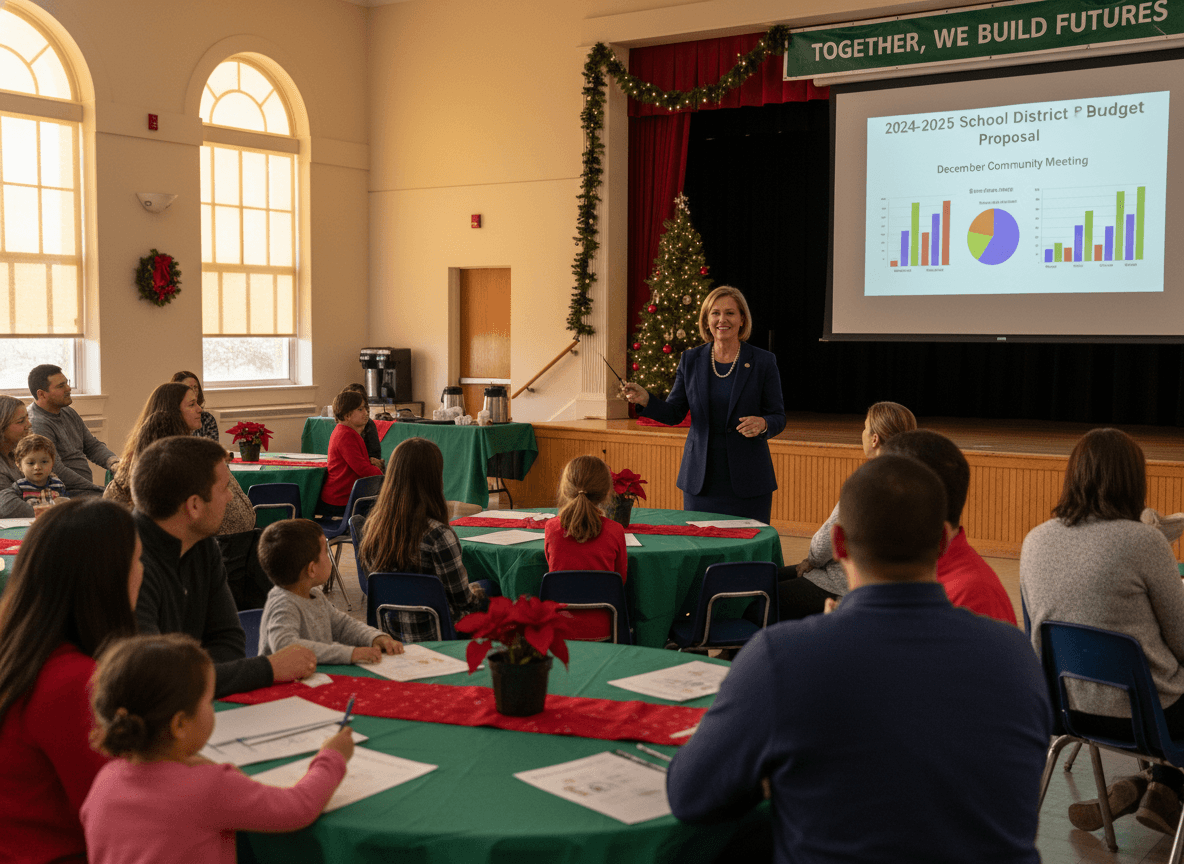
December is one of the most important months for district financial communication. The first half of the fiscal year is complete or nearly complete. The district has real spending data to compare against its adopted budget. State aid payments have arrived and can be reconciled against projections. Enrollment figures have stabilized from the volatility of the opening weeks of school. All of that information is useful to families, and sharing it in a December budget update newsletter positions the district as a transparent steward of public funds at exactly the moment families are paying attention before the winter break.
This guide covers what to put in a December budget update, how to explain mid-year adjustments plainly, and how to close the first semester with a financial communication that serves families and sets the district up for a stronger second-semester relationship with its community.
Why December is a natural budget communication checkpoint
Most school districts operate on a July 1 through June 30 fiscal year. By December, approximately five or six months of spending are complete and recorded. This gives the finance team enough actual data to identify meaningful patterns, variances, and emerging needs. It is also early enough in the year that mid-year adjustments, if needed, can be made before spending constraints become critical.
The December school board meeting typically includes a mid-year financial report presented to board members. A family-facing budget update newsletter should follow shortly after that board presentation so families receive the same information their elected representatives heard, translated into plain language. Families who learn about budget news at the same time as board members, rather than weeks later, feel included in the district's decision-making process.
Year-to-date spending: how to present it clearly
Lead the December update with year-to-date spending as a percentage of the adopted budget. A statement like "Through November 30, the district has spent approximately 44 percent of its adopted operating budget, which is in line with historical spending patterns for this point in the year" gives families an immediate benchmark for whether spending is on track.
Break spending down by category: instruction, administration, transportation, facilities, and support services. Families do not need granular line-item detail in a newsletter, but a category-level view helps them understand where the district's money goes and whether any category is running significantly ahead of or behind the plan.
If any category is running well above its projected pace, explain why. Facilities maintenance that was deferred from last year and accelerated this fall, higher-than-projected special education costs due to enrollment changes, or unexpected transportation costs due to fuel price increases are all explainable causes that families will accept when they are stated clearly.
Mid-year budget amendments and how to explain them
Most school districts need to amend their adopted budget at least once during the fiscal year. State aid adjustments, changes in enrollment, unexpected facility needs, and shifts in federal program funding all create the need for budget amendments that the board must formally approve. When those amendments happen in December, families deserve a clear explanation of what changed.
Describe each amendment in concrete terms. "The board approved a budget amendment at the December meeting to increase the special education budget by $210,000, reflecting higher-than-projected contracted service costs for students with individualized education programs" is specific and informative. "The board approved a technical budget amendment to adjust appropriations" tells families nothing useful.
If the amendment involves a reduction to a program or a line item, be direct about that too. Families who hear about program reductions through the newsletter before they hear about them from a teacher or principal will feel better about the district's communication, not worse.
State and federal revenue updates
December is a good time to update families on whether state and federal revenue is coming in as projected. State legislatures sometimes adjust school funding formulas mid-year, and federal grant allocations occasionally differ from early projections. Families benefit from knowing whether the revenue side of the budget is performing as expected.
If state aid has come in lower than projected, explain the dollar amount and the cause. If the district received an unexpected federal grant, share what it funds and which students or schools benefit. Revenue news, whether positive or negative, gives families a more complete picture of the district's financial position than spending data alone.
Reserve fund status at year-end
The district's reserve fund balance is a meaningful indicator of financial health. Families who understand that the district maintains a reserve fund to cover unexpected expenses or revenue shortfalls are better prepared to evaluate the district's long-term fiscal stability.
In December, share the projected ending reserve fund balance for the fiscal year based on current spending and revenue trends. If the projected balance is above the district's policy minimum, that is reassuring news worth communicating. If the balance is trending below the policy minimum, that is important context for families who may be asked to support budget adjustments or levy measures in the coming months.
Setting expectations for the second semester
Close the December budget update with a forward-looking section that prepares families for what to expect financially in the second half of the year. Note any known budget decisions coming in January or February, such as the governor's proposed state budget that will shape future-year district funding, or a board vote on mid-year staffing adjustments.
Families who know that a significant state budget proposal is expected in February are not surprised when the district sends a follow-up communication about what it means for local school funding. Giving families the calendar of upcoming financial events keeps them engaged and reinforces that the district is planning, not just reacting.
Tone and timing for December communications
December is a high-distraction month for families. School events, holidays, and end-of-semester activities compete for attention. Keep the December budget update concise, use clear section headers so readers can scan, and lead with the most important takeaways in the first paragraph.
Send the newsletter at least one week before winter break begins. A communication sent on the last day of school before break will be read by very few families before the new year. Aim for a Tuesday or Wednesday morning delivery in the first or second week of December for the highest open rates.
Get one newsletter idea every week.
Free. For teachers. No spam.
Frequently asked questions
Why should school districts send a budget update in December?
December sits at roughly the midpoint of most school districts' fiscal year, making it a natural checkpoint for reviewing budget performance against projections. Districts can share how actual spending compares to the adopted budget, flag any variances that require mid-year adjustments, and give families a transparent look at fiscal health before the second semester begins. Families who receive a December update understand the financial context behind any changes they notice when school resumes in January.
What should a district include in a December budget update newsletter?
The December budget update should cover year-to-date expenditures compared to the adopted budget, any mid-year budget amendments that have been approved or are pending board approval, an update on enrollment figures and whether actual enrollment matches the projections used for budget planning, a summary of the reserve fund balance, and any changes in state or federal revenue that have materialized since the budget was adopted. Close with a brief note about what families can expect in the second semester.
How should districts communicate mid-year budget adjustments to families?
Be specific about what changed and why. If the district is adjusting the budget due to lower-than-projected state aid, say how much the shortfall is and what the district is doing to address it. If the adjustment involves reducing a program budget or deferring a planned expenditure, explain that directly. Vague language about 'fiscal management measures' leaves families guessing. Direct language builds credibility and prevents the kind of surprised reaction that happens when changes show up in classrooms without context.
How do districts handle holiday break timing in December budget communication?
Timing matters. Send the December budget update at least one week before the winter break begins so families have time to read and respond to any questions before schools close. A newsletter sent on the last day before break is unlikely to get meaningful engagement. If your board approves mid-year budget amendments at a December meeting, aim to send the community update within two or three business days of that meeting so families are informed promptly.
What newsletter tool works best for district budget communication in December?
Daystage lets districts send well-organized December budget updates to every family across all schools in one send. The platform supports formatted sections and links to full budget documents so families can read a clear summary and access deeper detail when they want it. Districts that send regular budget updates through Daystage report stronger family engagement and fewer reactive questions at school board meetings.

Adi Ackerman
Author
Adi Ackerman is a former classroom teacher and curriculum writer with 8 years in K-8 schools. She writes about school communication, parent engagement, and what actually works in real classrooms.
More for District
The November District Budget Update Newsletter: Election Results, Levy Communication, and Contingency Plans
District · 7 min read
December Enrollment Report Newsletter: How Districts Communicate First-Semester Enrollment Data
District · 6 min read
January Budget Update Newsletter: How Districts Communicate the Start of Second Semester Finances
District · 6 min read
Ready to send your first newsletter?
3 newsletters free. No credit card. First one ready in under 5 minutes.
Get started free