

Curriculum Director Newsletter: Our New Reading Program
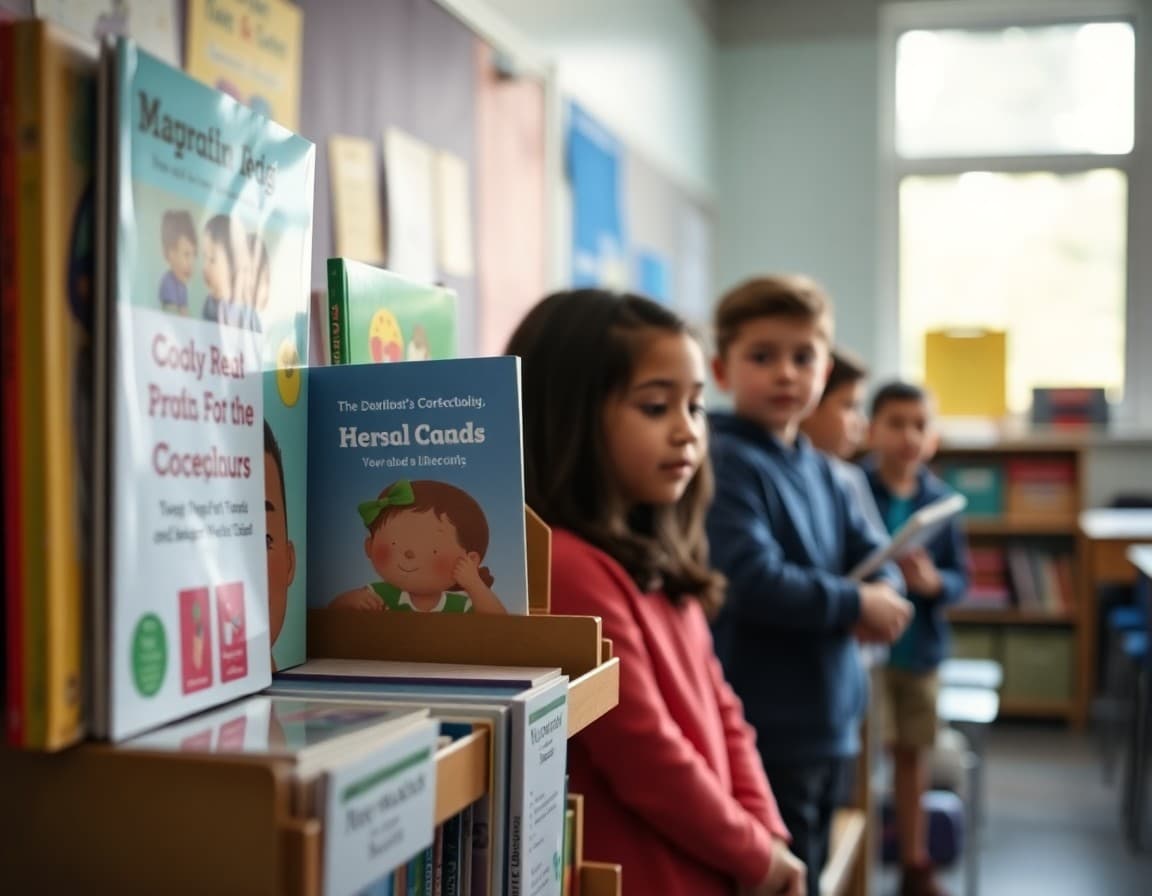
Reading instruction is changing in districts across the country, and for good reason. Research has clarified what works, and many districts are now updating their curricula to align with that evidence. When families understand what is changing and why, the transition goes better for students, teachers, and the district. A clear curriculum director newsletter is the fastest way to make that happen.
Explain the Research Without a Lecture
Families do not need a graduate-level summary of reading research, but they do need enough context to understand the decision. Two paragraphs on what the research shows about phonics, phonemic awareness, and the structured literacy approach is enough. Focus on what it means for students: explicit phonics instruction, practice with decodable texts, and a systematic progression from letter-sound relationships to fluent reading.
Name the Program and Describe the Approach
Use the curriculum's full name and describe what makes it different from the previous approach. If students are moving from a balanced literacy model to a structured literacy program, explain what each term means in practical classroom terms. Families who see different materials in their child's backpack deserve to understand what they are and why the district chose them.
Describe What Classroom Reading Looks Like Now
Give families a concrete picture of a reading block in the new curriculum. How much time is spent on phonics? What do small groups look like? How are books selected? Are students doing more silent reading, partner reading, or read-aloud? Specific details help families connect what they hear from their child about school to what you are describing in the newsletter.
A Sample Explanation Families Can Use
"Under our new reading program, kindergartners and first graders spend 30 minutes each day on systematic phonics instruction before moving to connected reading practice with decodable books. Decodable books contain words that are made up entirely of sound patterns students have already been taught, which gives students the chance to apply what they are learning rather than guessing at words from pictures. You will notice your child bringing home these shorter, simpler texts instead of leveled readers. This is not a step backward. It is how reading science says skills are built."
Address How Families Can Support Reading at Home
Many parents help their children read by having them guess words from pictures or context clues. The structured literacy approach discourages this strategy because it can delay phonics development. Your newsletter should gently redirect families: explain what the program encourages at home and give them the language to use when their child is stuck on a word. Something as simple as "say the sounds" versus "what word would make sense here" makes a real difference.
Explain the Teacher Training Component
Families will feel more confident about a curriculum change when they know teachers are prepared for it. Share the training plan. How many hours did teachers receive? Is there ongoing coaching support? Are teachers being trained in the new diagnostic assessments as well as the instructional materials? A brief description of the professional development plan signals that the adoption includes real implementation support.
Share Assessment and Progress Plans
Explain how the district will know if the new curriculum is working. What assessments will teachers use to monitor progress? When will families receive information about their child's reading development? Connecting the curriculum adoption to a clear assessment and communication plan shows families that the district is committed to tracking results, not just changing programs.
Offer Multiple Ways to Learn More
A curriculum change generates questions that one newsletter cannot fully answer. Include a link to a family guide, a date for a family information night, and the curriculum director's contact information. Some families will want to understand the research more deeply. Others will want to know specifically what this means for their second grader. Giving multiple paths to more information serves both.
Get one newsletter idea every week.
Free. For teachers. No spam.
Frequently asked questions
What is the science of reading and why does it matter for a district newsletter?
The science of reading refers to decades of research on how children learn to decode and comprehend text. Many districts are now adopting phonics-based, structured literacy programs in response to this research. When communicating a reading curriculum adoption, explaining this research context helps families understand why the district is changing from an approach they may have seen work for their older children.
How should a district explain changes to reading instruction to parents?
Use simple, concrete language. Explain what students will be doing differently, not just what curriculum is being used. If students will practice phonics patterns explicitly, describe what that looks like. If decodable books are replacing leveled readers, explain the difference and why the research supports that shift. Avoid education jargon without explanation.
How do you handle families who are concerned about the shift away from whole language instruction?
Acknowledge that many families had positive experiences with earlier approaches to reading instruction and that the change can feel alarming. Be clear that the shift is based on research, not on a rejection of everything that came before. Explain what is being added, not just what is being replaced. Offering a family information night with a curriculum demonstration is the most effective way to address this concern.
Should a reading curriculum newsletter mention specific proficiency data?
Yes. If your district's reading proficiency rates prompted the curriculum review, share that context. Families who understand the problem are more likely to support the solution. Present data without assigning blame to teachers or the previous curriculum, and frame it as the driver of the district's investment in improvement.
What newsletter tool works well for communicating literacy curriculum changes?
Daystage makes it easy to include links to curriculum overview videos, FAQ documents, and family resource guides alongside the newsletter text. District curriculum directors can send one newsletter to all schools at once while maintaining each school's branding.

Adi Ackerman
Author
Adi Ackerman is a former classroom teacher and curriculum writer with 8 years in K-8 schools. She writes about school communication, parent engagement, and what actually works in real classrooms.
More for District
Ready to send your first newsletter?
3 newsletters free. No credit card. First one ready in under 5 minutes.
Get started free