
Assistant Superintendent Newsletter: Student Services

Student services is the part of the district that shows up when students and families need help beyond the classroom: a counselor who notices a struggling student, a social worker who connects a family to food support, a psychologist who assesses a child's learning needs. When the assistant superintendent for student services communicates proactively, families learn what is available before they need it, which is exactly when that information is most useful.
Describe the Full Scope of Student Services
Many families are not aware of the range of services the district provides. Open the newsletter with a brief summary of what student services includes: school counseling, psychological services, social work, special education support, attendance intervention, health services, and any community partnership programs. Families who know what exists are able to access it. Families who do not know it exists cannot.
Communicate Mental Health Services Without Stigma
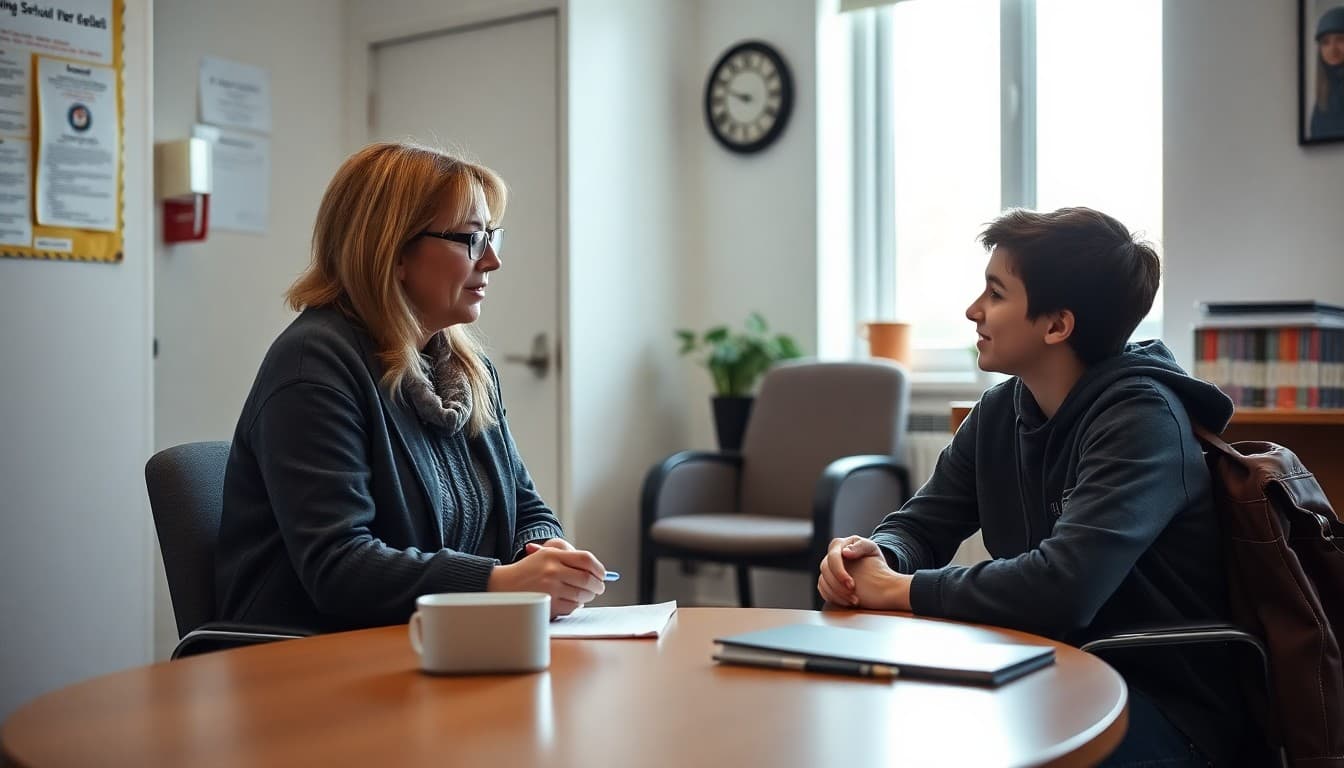
Mental health support in schools is not just for students in crisis. Describe the full range of mental health services available: individual counseling, group support, social-emotional learning integration, and any partnerships with community mental health providers. Use normalizing language: "We have counselors available at every school because we know that learning is harder when life is hard, and we want every student to have support." Explain how families can request services and how students can self-refer.
Update Families on Program Changes
When student services programs change, whether a new counseling model is being implemented, a new partnership with a community health provider is beginning, or staffing ratios are changing, communicate it directly. Families who hear about service changes through the rumor mill often hear them inaccurately. A direct newsletter communication gives you control of the message and gives families accurate information about what support is available.
A Sample Access Information Section
"If you are concerned about your child's social, emotional, or behavioral wellbeing, here is how to access support. Call your school's main office and ask to speak with the school counselor. You can also complete a request form at [link]. For concerns requiring immediate support, contact your school's main office directly. For questions about special education services or the referral process, contact our Special Services office at studentservices@districtname.org or 555-000-5678."
Address Attendance Support as a Partnership
Chronic absenteeism is one of the strongest predictors of academic difficulty, and the district's response to it belongs in a student services newsletter. Explain the research on attendance and the support the district provides to families facing barriers to regular attendance. Describe the attendance intervention team, the support options available, and how families can reach out proactively when attendance is becoming a challenge. Framing this as "we are here to help you solve this problem" rather than "we will take action against truancy" changes the response families have.
Describe Special Education Support Without Identifying Students
Share updates on the district's special education programs at a system level. Describe any new programs, service models, or staffing investments. Mention the district's commitment to meeting every student's IEP and the timeline for families to expect annual review meetings. Include the contact information for the district's special services office and a brief explanation of how families can request an evaluation if they are concerned about their child's learning.
Highlight Community Partnerships
Many student services programs are strengthened by community partnerships: mental health providers embedded in schools, food bank partnerships, clothing closets, after-school programs, and family resource centers. List the partnerships relevant to the current newsletter and explain what each one provides and how families can access it. These resources exist to help, but they cannot help if families do not know about them.
Invite Families Into the Process
Student services are more effective when families are partners in them. Invite families to connect with their school's student services team, attend a parent information night on mental health resources, or complete a brief survey about family needs. A newsletter that closes with a specific invitation to engage is more powerful than one that stops at informing.
Get one newsletter idea every week.
Free. For teachers. No spam.
Frequently asked questions
What does the student services division typically cover in a district?
Student services encompasses school counseling, psychological services, social work, special education administration, Section 504 coordination, McKinney-Vento homeless services, attendance and behavior support, and often health services. A student services newsletter can cover any of these areas, though most newsletters focus on the changes and updates most likely to affect the largest number of families.
How do you communicate mental health services updates without stigma?
Use matter-of-fact, normalizing language. Mental health support is a school service like reading support or tutoring. Describe the services available, who they are for (all students, not just those in crisis), and how families can access them. Avoid crisis-focused framing that implies mental health services are only for students with serious problems. Most families want to know that support is available before they need it urgently.
What should a student services newsletter say about special education program updates?
Describe any program changes, new service offerings, or staffing updates that affect special education services. Connect changes to the district's commitment to IDEA compliance and to meeting each student's IEP. Avoid sharing information that could identify individual students or programs. The focus should be on what families with students who receive or may need services should know about.
How do you communicate attendance intervention programs to families?
Frame attendance support as a partnership rather than a disciplinary process. Explain that chronic absenteeism has significant long-term effects on student outcomes and that the district's attendance support team is there to help families identify and address barriers to attendance. Describe the specific support available: transportation help, health referrals, family liaisons, and flexible scheduling.
What platform helps assistant superintendents send student services newsletters to families?
Daystage makes it easy to build newsletters with separate sections for different student support topics, embedded links to service referral forms, and contact information for each program. District-wide sends reach all school communities at once.

Adi Ackerman
Author
Adi Ackerman is a former classroom teacher and curriculum writer with 8 years in K-8 schools. She writes about school communication, parent engagement, and what actually works in real classrooms.
More for District
The District Counseling Newsletter: How to Communicate Counseling Services to Families
District · 7 min read
The School District Mental Health Newsletter: How to Communicate Student Wellness to Families
District · 7 min read
District Newsletter Guide to Communicating Student Mental Health Resources
District · 7 min read
Ready to send your first newsletter?
3 newsletters free. No credit card. First one ready in under 5 minutes.
Get started free