
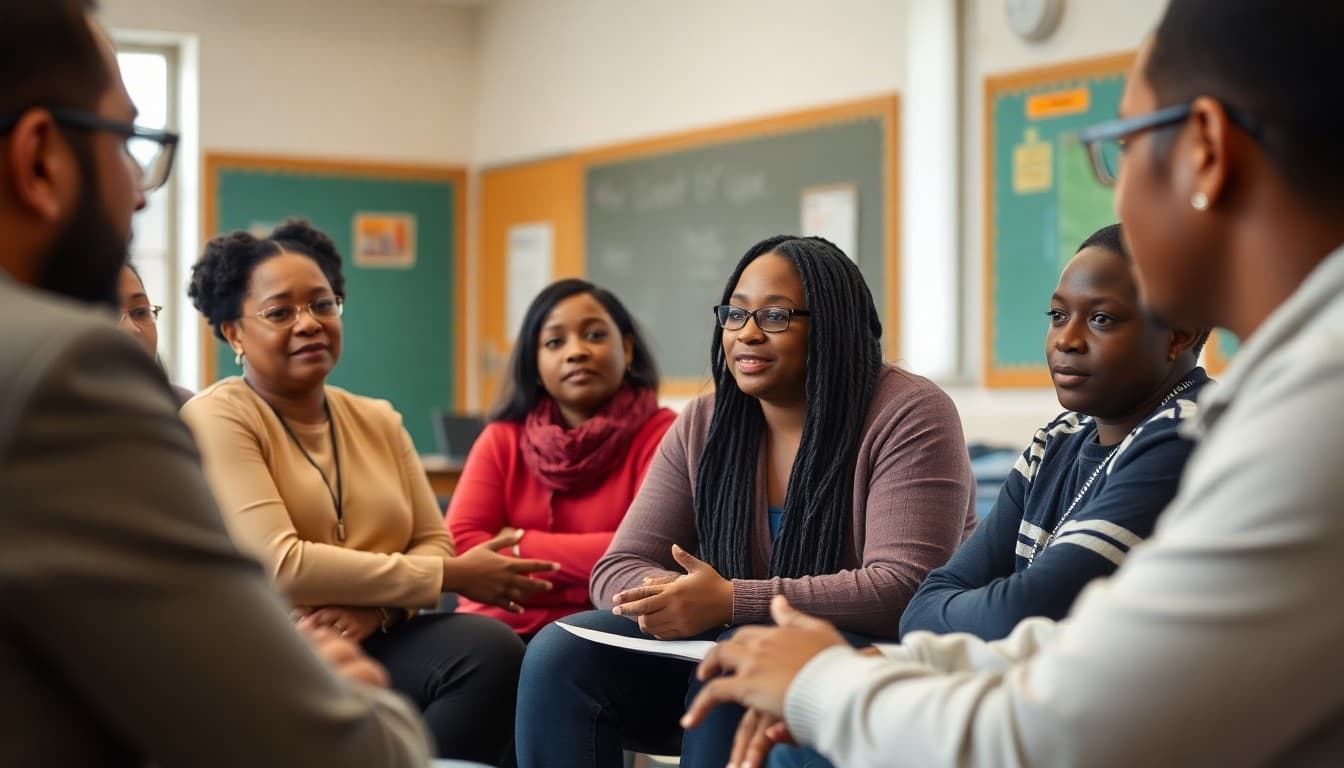
Assistant Superintendent Newsletter: Community Relations

Community relations work is the long game. The districts that have the most community support during difficult decisions, the ones that win bond measures and maintain public confidence during controversy, are the ones that invested in community connection before they needed it. A regular newsletter from the assistant superintendent for community relations is one of the most practical tools for building that connection.
Report on Family Engagement Programs
Open with a summary of what the district has done to engage families in the most recent season. Family listening sessions, parent advisory committee meetings, translation and interpretation services provided, and community events hosted all count. Be specific: how many families participated, what feedback was collected, and how that feedback is being used. Families who see their input reflected in district decisions are more likely to stay engaged.
Highlight Community Partnerships
Name the organizations the district is partnering with and describe what each partnership provides. A mental health provider who places counselors in three elementary schools, a community college offering dual enrollment for high school students, a local business providing job shadows and mentors, or a food bank operating a pantry out of a school building are all worth a paragraph each. Families who know about these resources can use them.
Share Upcoming Engagement Opportunities
Community relations newsletters should always include a section on upcoming opportunities for families to engage. Advisory committee meetings, curriculum review panels, budget input sessions, and community listening events all belong here. For each opportunity, include the date, location, and how to register or participate. Making engagement easy and visible is what converts interest into participation.
A Sample Partnership Highlight
"This year, our partnership with Valley Community Health has placed licensed clinical social workers in six of our nine elementary schools. These professionals are available to students and families on site, without a referral and at no cost. Since the partnership launched in October, 247 students have accessed support, and family feedback surveys show that 89% of families who used the service found it helpful. If your school is one of the six, contact the main office to connect your child with the on-site clinician."
Communicate How Feedback Has Shaped District Decisions
Close the feedback loop explicitly. When families or community members provided input that influenced a district decision, say so. "During our spring community listening sessions, the most consistent theme was concerns about after-school program availability. In response, we worked with three community providers to expand programming at our four highest-need schools." That connection between input and action is the heart of trust-building.
Explain the Language Access Plan
Community relations means reaching all families, including those who do not speak English as a first language. Describe what language support the district provides for its communications: translation services, multilingual newsletters, interpretation at school events and parent-teacher conferences. Explicitly naming these supports signals that the district has thought about language access as a real access issue, not a compliance checkbox.
Report on Listening and Survey Results
If the district conducted a family or community survey, share what it found. Summarize the key themes, the response rates, and, most importantly, what the district plans to do with the feedback. A survey whose results are never communicated back to respondents sends the message that the input was collected for optics rather than for actual decision-making.
Invite Ongoing Input
Close every community relations newsletter with a clear invitation for ongoing input. Include the contact information for the community relations office, the advisory committee chair, and the superintendent's office. An open door is only useful if people know where it is.
Get one newsletter idea every week.
Free. For teachers. No spam.
Frequently asked questions
What is the purpose of a community relations newsletter from the assistant superintendent?
A community relations newsletter from the assistant superintendent builds bridges between the district and the broader community. It shares partnership news, highlights family engagement programs, explains how families can participate in district decisions, and demonstrates that the district is listening. Regular community-facing communication from leadership signals that engagement is a priority, not an afterthought.
How do you measure the success of community relations communications?
Useful metrics include newsletter open and click rates, attendance at community events mentioned in the newsletter, participation in surveys or feedback opportunities, and volume of direct outreach to community liaisons or district offices. Over time, tracking whether families report feeling informed and included in a climate survey is the most meaningful indicator.
What community partnerships belong in a district newsletter?
Highlight partnerships that directly benefit families: community health partnerships, food access programs, afterschool providers, library collaborations, business mentorship programs, and local college dual enrollment agreements. For each partnership, explain what it provides, who can access it, and how to connect. Naming partners publicly also acknowledges their investment in the district's students.
How do you use a community relations newsletter to build trust after a difficult period?
Be direct and specific about what happened, what the district learned, and what is changing. Vague reassurances do not rebuild trust. A newsletter that says 'we heard your concerns and here is what we are doing differently' is more credible than one that says 'we are committed to improvement.' Follow-up communications with results are what convert stated intentions into actual trust.
What platform makes it easy to send community relations newsletters across the district?
Daystage lets district communications teams build and send community-facing newsletters to all school communities at once. Tracking engagement by school helps identify which communities may need additional outreach.

Adi Ackerman
Author
Adi Ackerman is a former classroom teacher and curriculum writer with 8 years in K-8 schools. She writes about school communication, parent engagement, and what actually works in real classrooms.
More for District
Ready to send your first newsletter?
3 newsletters free. No credit card. First one ready in under 5 minutes.
Get started free