
SEL Newsletter for Schools: Communicating Social-Emotional Learning to Parents
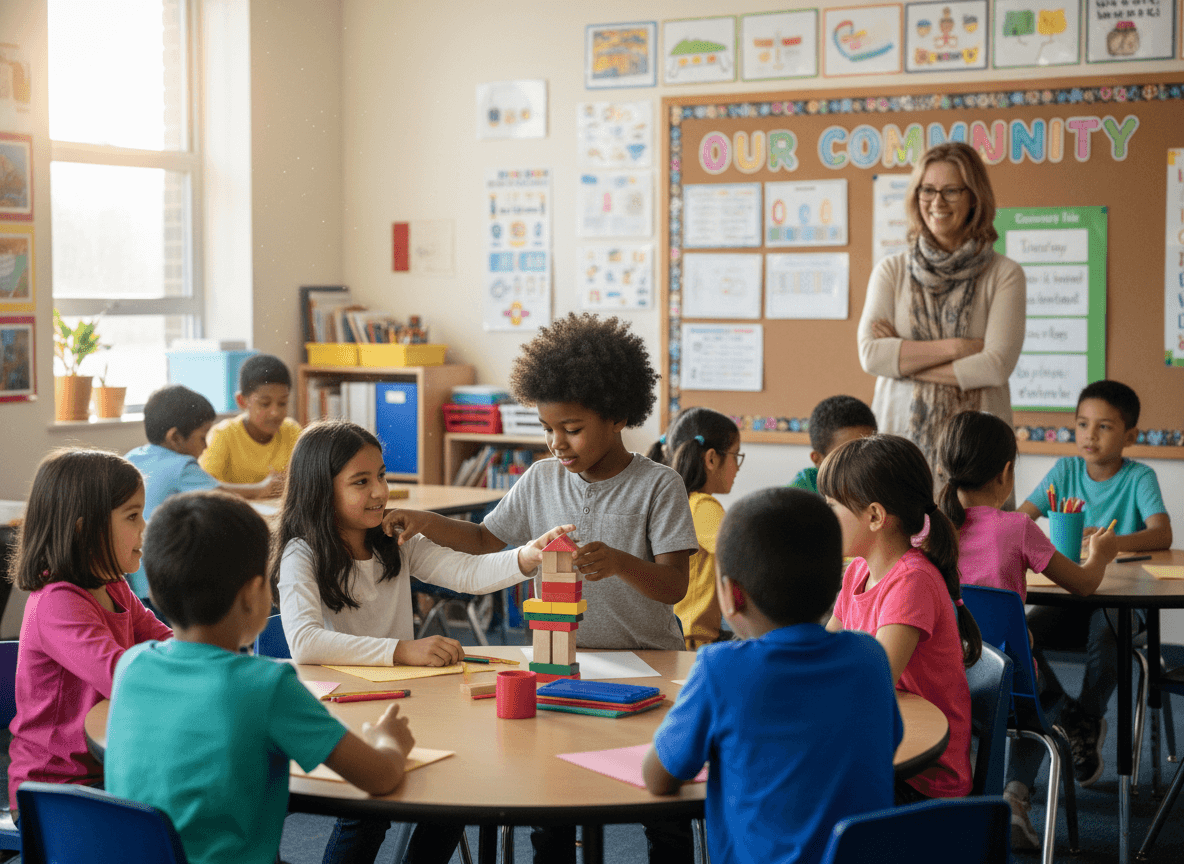
Social-emotional learning sits at the intersection of two problems in school communication. First, families often do not understand what it is or what it looks like in practice. Second, some families are skeptical of it, either because they think academic time is being displaced, or because they see it as outside the school's role. A well-structured newsletter can address both problems directly.
Describe What SEL Looks Like in Your Classrooms
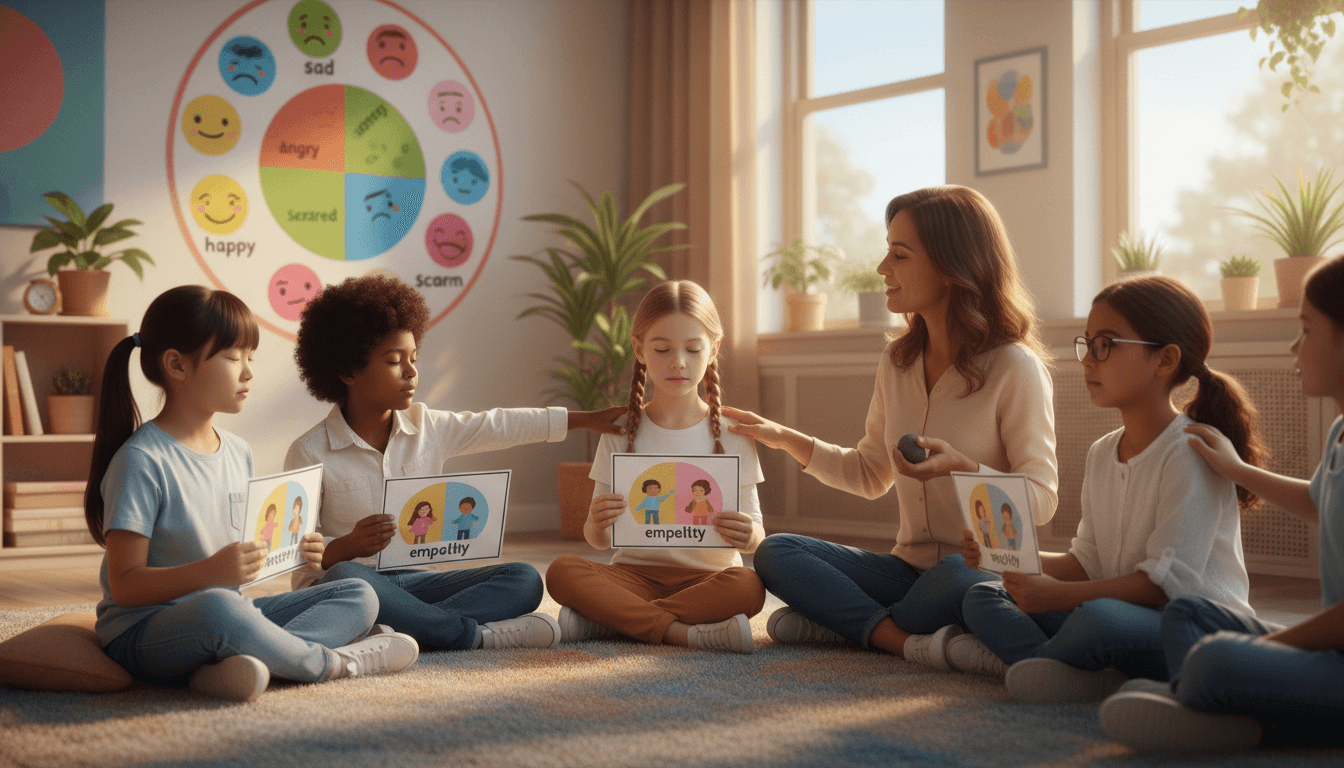
"We teach social-emotional skills" is too vague to be useful. Families need a specific picture. What does SEL instruction look like in a typical week?
"In our morning meeting on Mondays, students complete a feelings check-in using a scale from one to five. This takes about four minutes. The data from those check-ins helps teachers notice which students may need additional support before the academic day begins. It also builds students' ability to name what they are feeling, which is the foundation skill for every other social-emotional competency we teach."
That level of detail answers the question families actually have: what is happening in the classroom and how long does it take?
Connect SEL to Academic Outcomes
For families who are concerned that SEL displaces academic instruction, the most direct response is the evidence connecting social-emotional skills to academic performance. Students who can regulate their emotions, set goals, and work collaboratively with peers consistently outperform students who cannot, on academic measures.
"Students who learn to manage frustration and persist through difficulty show measurable improvement on assessments that require sustained effort. The skills we teach in our SEL program, including emotional regulation, goal-setting, and perspective-taking, directly support academic performance. This is not a trade-off with academic time. It is an investment in the conditions that make learning possible."
Explain the Five Core Competencies in Plain Language
CASEL's five SEL competency areas are the framework most schools use, but the names mean nothing to most families. Translate them.
Self-awareness: knowing what you are feeling and why. Self-management: being able to manage those feelings rather than letting them manage you. Social awareness: understanding that other people have their own experiences and perspectives. Relationship skills: being able to make friends, work with people you find difficult, and communicate in ways that get your needs met. Responsible decision-making: thinking through the consequences of your choices before you make them.
One paragraph. All five competencies. In language any adult can understand without a background in education.
Give Parents One Skill to Reinforce at Home
SEL skills transfer when students practice them across contexts. A newsletter that tells families what skill their child is working on this month and gives them one concrete way to reinforce it at home multiplies your program's impact.
"This month we are focusing on perspective-taking, the ability to understand how a situation looks from someone else's point of view. A simple way to practice this at home: when your child describes a conflict with a friend, ask them 'What do you think that looked like from your friend's side?' and listen without correcting their answer. The practice of thinking through another person's experience is the skill, not arriving at the right answer."
Name the Program and Who Teaches It
If your school uses a specific SEL curriculum, name it. Second Step. Zones of Regulation. MindUP. Responsive Classroom. If a school counselor, social worker, or specialist teaches SEL, name them and explain their role.
Naming the program and the people makes it concrete. It also makes it easy for families to follow up if they have questions, because they know who to contact and can look up the program independently if they want to learn more.
Address the Skepticism Directly
Some families believe that teaching feelings is a family's job, not a school's. Do not ignore this concern. Acknowledge it.
"We recognize that teaching social-emotional skills is something families have always done at home. What schools can add is a shared vocabulary and consistent practice across the environments where your child spends the most time. When students learn the same emotional regulation strategies at school and at home, the skills develop faster and transfer more reliably."
Get one newsletter idea every week.
Free. For teachers. No spam.
Frequently asked questions
When should schools communicate their SEL program to families?
At the start of each unit and when introducing a new competency focus, not just at the beginning of the year. Families who know their child is working on perspective-taking this month can reinforce that specific skill at home, which is far more effective than a one-time program overview at back-to-school night.
What should a school SEL newsletter include?
A specific description of what SEL looks like in a typical classroom week, a plain-language translation of the five CASEL competencies, research connecting SEL skills to academic outcomes, one home practice tied to the current skill focus, and the name of the curriculum used and who teaches it.
How can schools communicate SEL skills through newsletters?
Describe exactly what happens in a morning meeting or check-in session, including how long it takes and what students say and do. Give families one concrete home practice per issue with a specific question they can ask their child. Address the concern that SEL displaces academic time directly by connecting emotional regulation skills to measurable academic performance.
What are common mistakes in school SEL communication?
Describing the SEL program in abstract terms that leave families without a picture of what their child is actually doing. Ignoring skeptical families rather than acknowledging their concern that feelings education belongs at home. And failing to connect SEL explicitly to academic outcomes, which is the argument that reaches the widest range of families.
How can Daystage help schools communicate SEL programs to families?
Daystage makes it practical for schools to include a recurring SEL section in each newsletter issue, so families receive a monthly skill focus and home practice without the newsletter team having to rebuild that content from scratch each time.

Adi Ackerman
Author
Adi Ackerman is a former classroom teacher and curriculum writer with 8 years in K-8 schools. She writes about school communication, parent engagement, and what actually works in real classrooms.
More for School Culture
Ready to send your first newsletter?
3 newsletters free. No credit card. First one ready in under 5 minutes.
Get started free