

School Positivity Newsletter: Celebrating What Is Going Right
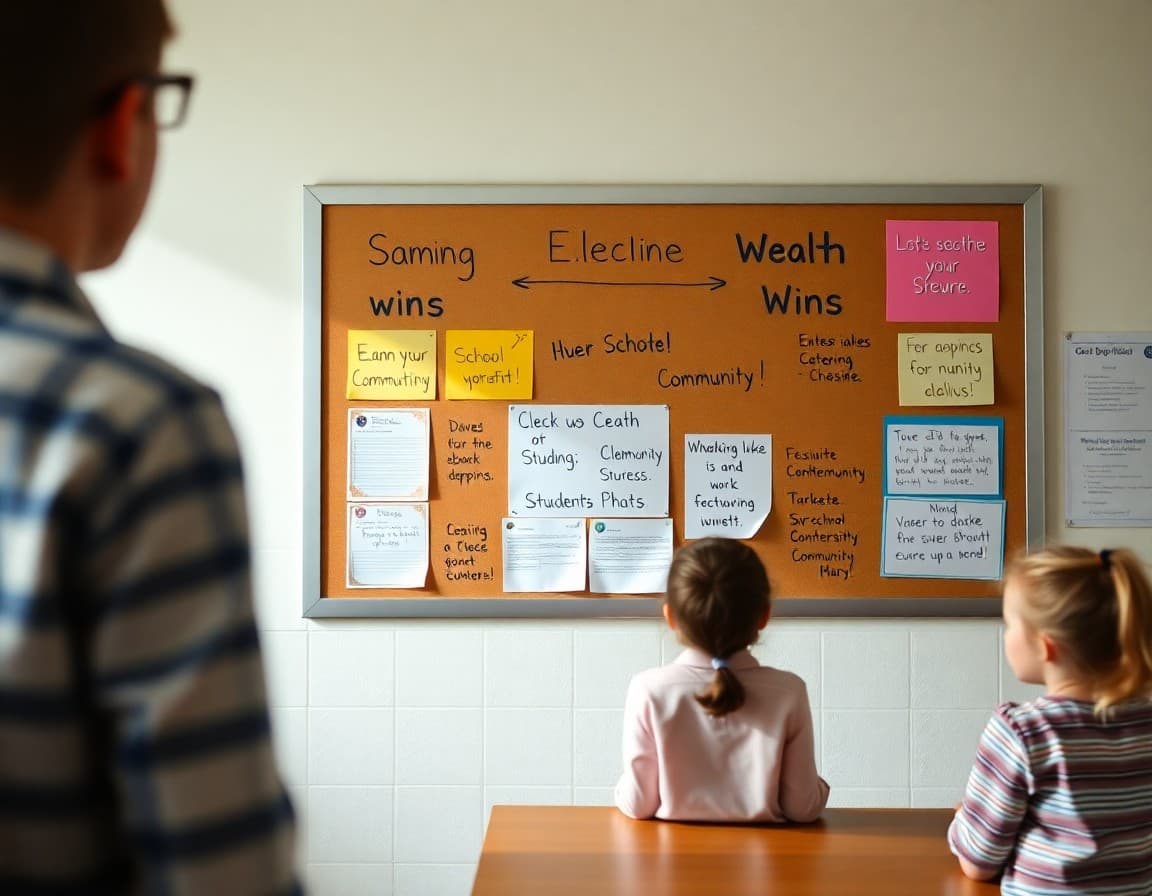
School communication has a negativity problem that most administrators do not notice because they are the ones creating it. Most of what schools send home is logistical, policy-focused, or about something that needs to change. Families learn to open school emails with low expectations, and eventually many stop opening them at all.
A consistent positivity newsletter does not solve this alone, but it shifts the pattern. It gives families a reason to open the school's communication with something other than dread.
Build a collection habit before you write
The positivity newsletter requires a content collection habit. Once a week, principals and teachers who observe something worth sharing should drop it in a shared document: a student moment, a teacher decision, a community act, a data improvement. By the end of the month you have 10-15 entries to draw from for one newsletter.
The newsletter that is written without a collection process becomes generic and forced. The newsletter that draws from a month of real observations feels alive because it is.
Feature specific students without creating a hierarchy
A positivity newsletter that celebrates only the highest academic achievers sends a message about who the school values. The newsletter that celebrates a wide range of contributions from different students across different strengths sends a different message.
Rotate the types of achievements featured: academic, artistic, athletic, social, character-based, service-based, growth-based. A student who moved from a D to a C in math through four weeks of focused effort deserves the same recognition as a student who scored 100% on a test that came easily.
Recognize staff specifically
Every positivity newsletter should include one staff recognition with specific detail. Not "thank you to our dedicated teachers" but "Ms. Torres noticed that a student was struggling socially and quietly rearranged her classroom seating structure to give that student better opportunities for connection. Within a week, the student's engagement in class had changed visibly." That sentence tells families what kind of teacher is in that classroom and gives the teacher recognition that feels earned.
Share a positive data point
A single positive data point per newsletter makes the celebration feel evidence-based rather than just promotional: "Chronic absenteeism in our school dropped from 18% in October to 12% in December. That represents approximately 40 more students attending school regularly. Here is what we changed."
Data connected to a brief explanation of what the school did to achieve it builds credibility alongside warmth.
Include a community moment
The positivity newsletter that only celebrates students and staff misses the third part of the school community: families. Include one example per newsletter of a family contribution that made a difference: a parent who organized something, a volunteer who showed up consistently, a family who donated something the school needed. Name them. Community recognition builds community investment.
Template: positivity newsletter opening section
"Here is what went right at Jefferson Elementary this month: Third-grade reading scores improved for the fifth consecutive month. The student-organized food collection for the Riverside Pantry brought in 340 items. Mr. Martinez's class completed their first student-led science inquiry project. And on a Tuesday morning when it was raining and cold, a group of fifth-graders held umbrellas over kindergartners at the bus stop without being asked. That is this school."
Close with what you are looking forward to
The last paragraph of a positivity newsletter should look forward rather than backward: "Next month we are looking forward to the kindergarten science fair, the return of the after-school garden program, and what promises to be an exceptional sixth-grade history presentation. We will tell you about those in next month's newsletter."
That forward-looking close builds anticipation for the next newsletter in a way that most school communications simply do not.
Get one newsletter idea every week.
Free. For teachers. No spam.
Frequently asked questions
Why should schools send positivity-focused newsletters?
Most school communication is logistical (deadlines, reminders) or problem-focused (policy reminders, incident follow-ups). Families develop a negative association with school emails because most of them signal something needing attention. A regular positivity newsletter shifts that association and gives families something to look forward to in their inbox. It also models for students that the school notices what is going right, not only what is wrong.
What content belongs in a school positivity newsletter?
Specific student achievements, teacher observations about growth or character, community acts of generosity, improvements in school data or climate indicators, and moments that captured the school at its best. The key is specificity: not 'our students are amazing' but 'sixth-grader Jordan spent his lunch period helping a third-grader practice multiplication tables. Here is why that matters to us.'
How do you write positivity newsletters that do not feel like propaganda?
Honesty and specificity are the difference between authentic celebration and hollow cheerleading. Write about real things that actually happened. Mention the specific teacher who made a decision that changed a student's trajectory. Describe the exact moment a class came together to support a struggling peer. Real stories read differently than generic praise, and families can tell the difference.
How often should schools send a positivity newsletter?
Monthly is a sustainable frequency that does not dilute the effect. Weekly is too often to maintain quality. A single annual newsletter does not build the communication habit. Monthly allows you to collect genuinely notable moments from the previous four weeks and present them as a curated highlight rather than a forced gratitude exercise.
How does Daystage help schools build a positivity newsletter habit?
Daystage makes it easy to create a visually appealing, consistent monthly positivity newsletter with a recognizable format that families come to expect. You can build a template with sections for student spotlights, staff recognition, community moments, and a positive data point from the school's climate or academic work, then update the content monthly without redesigning from scratch.

Adi Ackerman
Author
Adi Ackerman is a former classroom teacher and curriculum writer with 8 years in K-8 schools. She writes about school communication, parent engagement, and what actually works in real classrooms.
More for School Culture
Ready to send your first newsletter?
3 newsletters free. No credit card. First one ready in under 5 minutes.
Get started free