
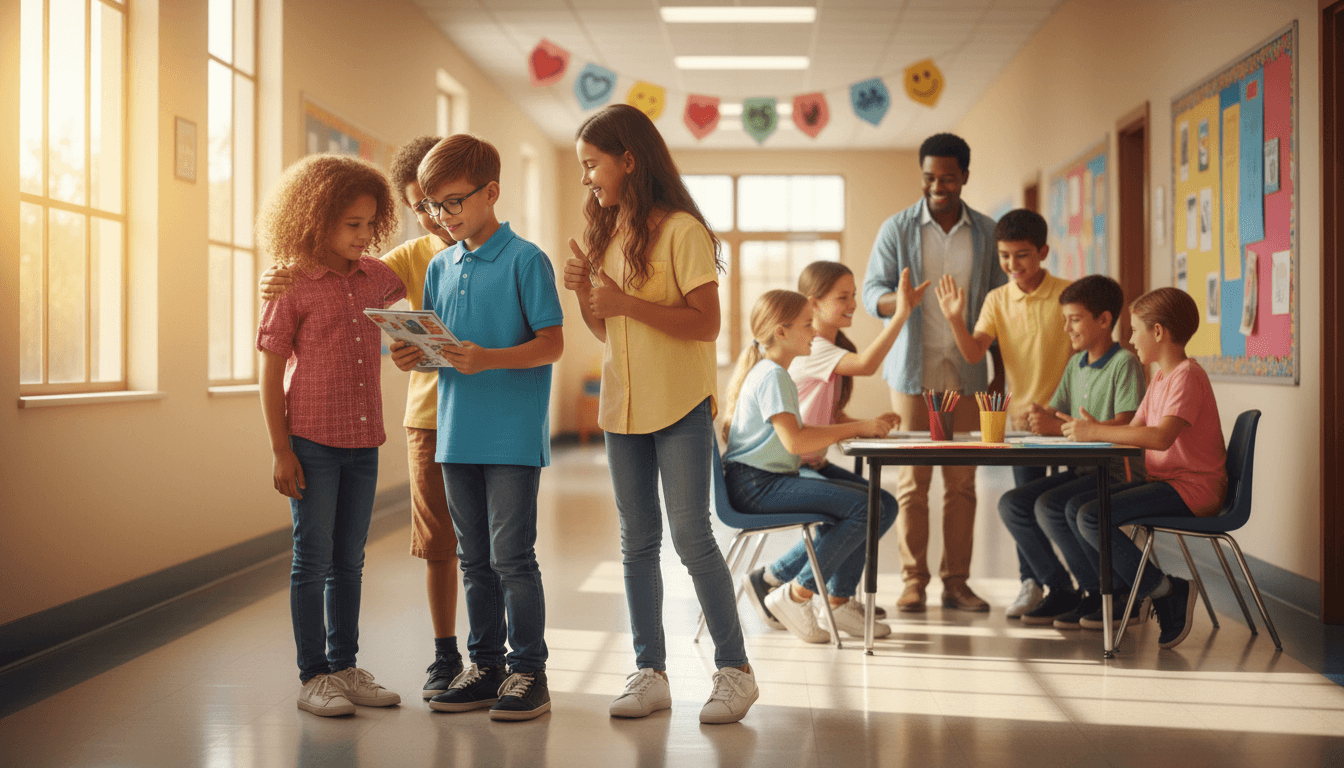
Writing a School Newsletter That Builds Friendship and Kindness Culture
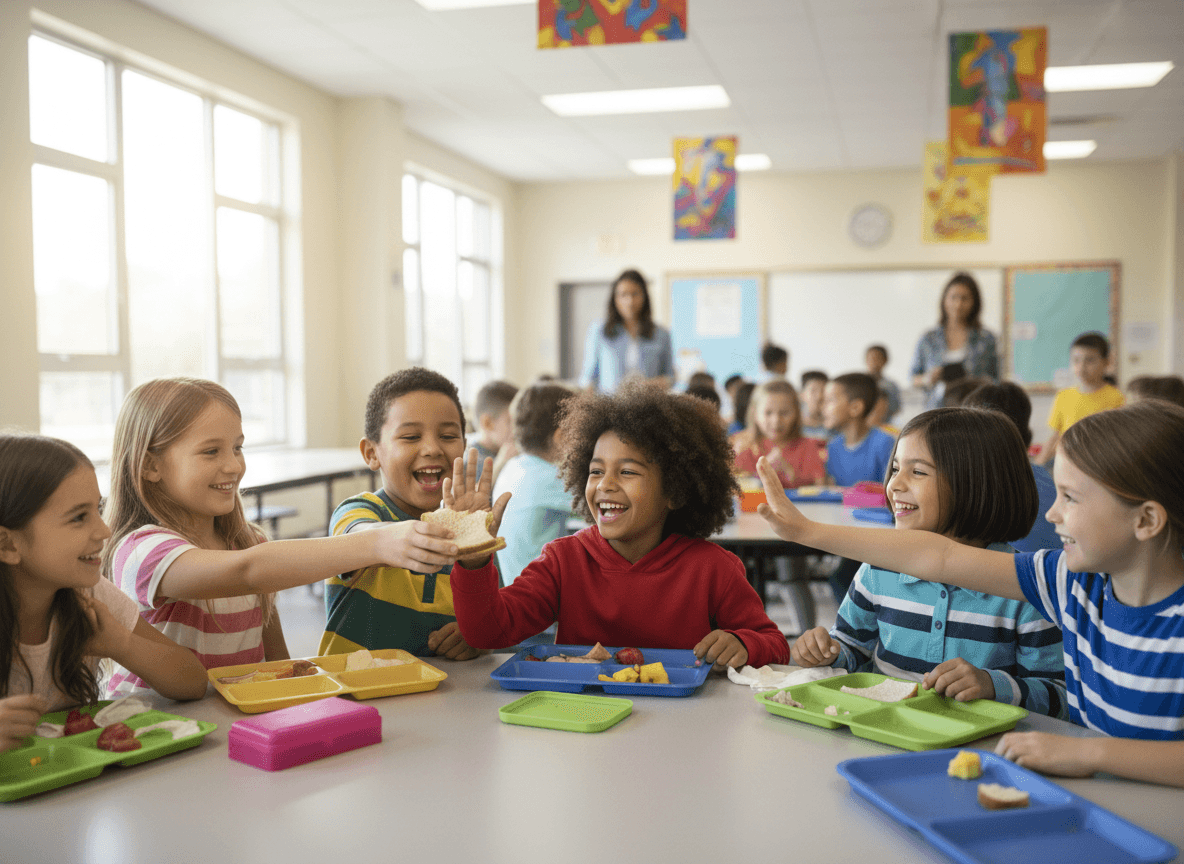
Kindness culture is not built through a poster campaign in February. It is built through consistent, specific recognition of kind acts, school structures that make friendship easier to form, and adults who name kindness explicitly rather than treating it as a background expectation.
The newsletter is where all of that gets communicated to the wider community, including families who can reinforce the same values at home.
Run a Kindness Story Section Every Issue
A dedicated kindness section in each newsletter, even just three to five sentences, gives families a consistent signal about what the school values. The section should feature a specific act of kindness from the week or month, described with enough detail that it feels real rather than symbolic.
"This week, a group of fourth graders noticed that a classmate was eating alone and decided on their own to sit with her every day for the rest of the week. Three of them have continued doing it since. This is exactly the kind of community we are building." That story is culture.
Connect Kindness to the School's Current Work
When the school is running a formal kindness initiative, a reading program related to friendship, or a character education unit, tie the newsletter kindness section to that work. The connection shows families that kindness is not just a themed week but an ongoing thread in the school's curriculum and culture.
"Our third graders just finished a unit on friendship in reading that included books by three different authors. Their teachers report that the vocabulary students are using to talk about their friendships has shifted. They are more precise about what kindness actually looks like rather than just saying 'be nice.'"
Include Peer-to-Peer Recognition Opportunities
Some schools run peer nomination programs for kindness or character recognition. If your school does this, the newsletter is where you announce it, explain how it works, and report who was recognized. This turns kindness into a community practice rather than something only observed by teachers.
Peer nominations also tend to surface different students than teacher nominations. Classmates often know about quiet acts of kindness that adults miss. Including peer-recognized students in the newsletter expands the circle of who gets seen.
Offer Home Conversation Starters
Once a month, include a brief home prompt related to the current kindness focus at school. Keep it short and specific enough that a parent can use it tonight.
"This month we are working on including students who seem left out. At home you could ask: 'Did you notice anyone who seemed left out today? What did you do?' These conversations do not need to be long to be useful."
Acknowledge Friendship Challenges Honestly
Schools that only report kindness successes build a picture that does not match what students experience. Occasionally acknowledging that friendship and belonging are genuinely difficult, especially at certain grade levels, makes the newsletter feel honest and the school feel like a place that understands real student life.
"Middle school is a time when friendships shift quickly and exclusion can feel devastating. We know this is happening in our school too. Our counselors are running a lunch group this month specifically for students navigating those changes. Reach out if you think your child could benefit."
Get one newsletter idea every week.
Free. For teachers. No spam.
Frequently asked questions
What kindness content works best in a school newsletter?
Specific stories of students performing acts of kindness, brief descriptions of kindness programs or challenges the school is running, and simple home prompts that help families extend the conversation. Generic kindness messaging without stories or prompts reads as filler rather than culture-building content.
How do you track kindness in a school so you have stories to share in the newsletter?
Create a simple system for teachers and staff to submit kindness observations weekly. A shared folder, a short online form, or a dedicated email address all work. Even two or three submissions per week gives you more material than you need for a newsletter section. The act of collecting kindness stories also reinforces the observation habit across staff.
Should kindness content in the newsletter address bullying directly?
Not in the same section. Kindness and anti-bullying serve related but distinct purposes. A kindness section focuses on what students are doing well and how to build on it. Anti-bullying content, when needed, belongs in its own section with specific guidance. Mixing the two weakens both.
How do you make kindness culture feel genuine rather than forced in the newsletter?
Use real stories with names and specifics rather than abstract kindness messaging. 'Be kind to each other' is a poster. 'Emma spent her recess helping a new student find the art room three days in a row' is a culture story. The more specific the story, the more credible the culture feels.
How does Daystage support consistent kindness culture communication?
Daystage helps schools maintain a regular newsletter cadence that includes kindness stories and culture content without requiring significant time each week to build the structure from the ground up. Schools use it to keep kindness visible as a school value all year, not just during dedicated kindness weeks.

Adi Ackerman
Author
Adi Ackerman is a former classroom teacher and curriculum writer with 8 years in K-8 schools. She writes about school communication, parent engagement, and what actually works in real classrooms.
More for School Culture
Ready to send your first newsletter?
3 newsletters free. No credit card. First one ready in under 5 minutes.
Get started free