

How to Communicate Your School Store as a Culture and Learning Tool
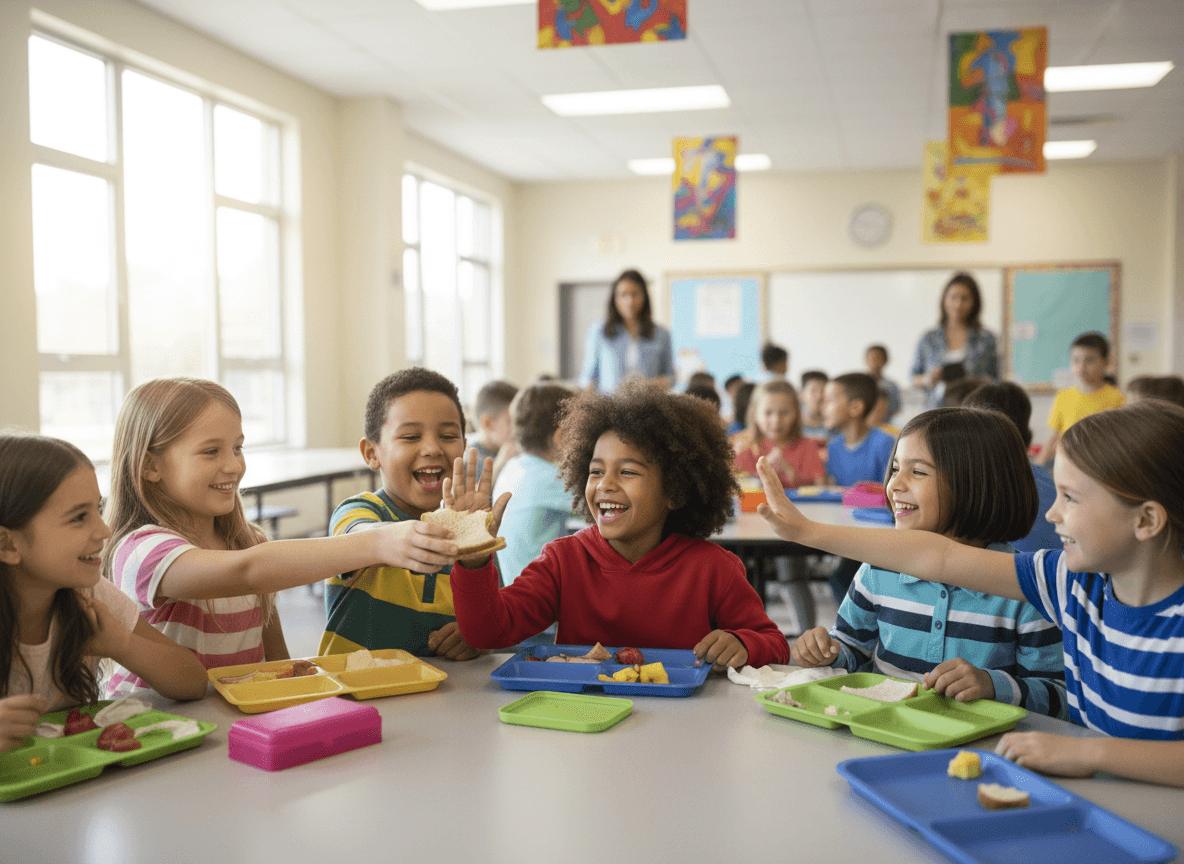
A school store sounds simple: students sell supplies to other students. What it actually is, when run well, is one of the most experiential learning environments in the building. Students handle real money, serve real customers, manage real inventory, and experience real consequences when they run out of stock or make a math error.
When families understand what the school store is teaching, they become much more invested in it as a program. A newsletter communication that positions the store as a learning tool, not just a place to buy a pencil, changes how families think about it and how much they support it.
Connect the store to curriculum explicitly
If student cashiers are practicing multiplication and making change, mention it. If the student business committee is calculating profit margins and setting prices, describe that. If students write up inventory reports that their math teacher reviews, say so. These connections are often invisible to families who see the store as a service, not as a classroom.
The more specifically you connect store operations to academic skills, the more value families assign to the program and the more students themselves feel that the work they are doing in the store is real and meaningful.
Describe the student staff selection process
If the school store uses an application or selection process for student staff, explain it in your communication. What are the requirements? What do applicants need to submit? How are final selections made? When can interested students apply?
Making the process transparent builds confidence that store staff positions are earned through effort and responsibility rather than assigned by teacher preference. Families whose children are interested in applying need to know the process to support their child in pursuing it.
Share what students are doing with the store's proceeds
If the school store generates revenue that goes toward school programs, student activities, or community causes, tell families where the money goes. Students and families are far more motivated to support a program when they understand the impact of that support.
"Last semester's store profits funded the purchase of three new chapter book sets for the school library" connects a student's decision to buy a notebook at the store to a tangible benefit for the school community. That connection is both a good story and a compelling reason to shop at the store rather than bringing supplies from home.
Spotlight student staff by name
Feature brief spotlights of student store staff in your communication. What did they apply for the position? What is their favorite part of working in the store? What have they learned that surprised them? Student voices in school communication are engaging for families and motivating for other students who might want to get involved.
Students who are named in the school newsletter for their work in the store feel genuinely recognized in a way that many school recognition programs do not provide. Public recognition through community communication is meaningful to students who often receive recognition only inside the classroom.
Invite families to visit or volunteer
Some school stores benefit from family volunteers who help with ordering, pricing, or organization during non-school hours. If this is true of your store, include a specific, limited ask in your communication. A specific volunteer request, like "we need two parent volunteers to help with quarterly inventory on the first Saturday of each grading period," produces more responses than a general call for help.
Get one newsletter idea every week.
Free. For teachers. No spam.
Frequently asked questions
What is the educational purpose of a school store?
A student-run school store teaches math skills through real transactions, builds responsibility and reliability in student staff, introduces basic business concepts like inventory, pricing, and profit, and creates a sense of student ownership over a part of the school community. For students who struggle in traditional academic settings, the store often provides a context where their practical skills and social confidence shine. It is also a genuine service to the school community, providing supplies and sometimes snacks at accessible prices.
How should schools communicate about the school store to families?
Explain what the store sells, when it is open, how students can shop there, how students can become store staff, and what students who run the store are learning. Connect the program to curriculum where possible. If student cashiers are practicing mental math, say so. If the business committee tracks weekly inventory and calculates profit margins, tell families that. The store is more than a convenience. Communicate it as the learning tool it is.
How do schools select and train student store staff?
Most schools select store staff through an application process that typically includes a written application, teacher recommendations, and sometimes an interview. Students are trained on cash handling, customer service, inventory management, and store procedures. Communicating this process to families shows that the store is a rigorous responsibility, not just a fun privilege, and makes the selection process feel transparent and fair.
How can families support the school store program?
Families can support the store by encouraging their children to shop there rather than buying supplies elsewhere, by donating gently used supplies that can be sold at low cost, and by encouraging their children to apply for store staff positions. Some school stores also involve family volunteers in ordering or organizational tasks. Specific asks in your communication produce more family involvement than general invitations to 'get involved.'
How can Daystage help schools communicate their school store program?
Daystage lets schools send a visually engaging school store newsletter directly to every family, with the store schedule, what is currently available, how to become store staff, and stories of student learning from the program. Regular communication keeps families connected to a program that touches many students' daily school experience.

Adi Ackerman
Author
Adi Ackerman is a former classroom teacher and curriculum writer with 8 years in K-8 schools. She writes about school communication, parent engagement, and what actually works in real classrooms.
More for School Culture
Ready to send your first newsletter?
3 newsletters free. No credit card. First one ready in under 5 minutes.
Get started free