
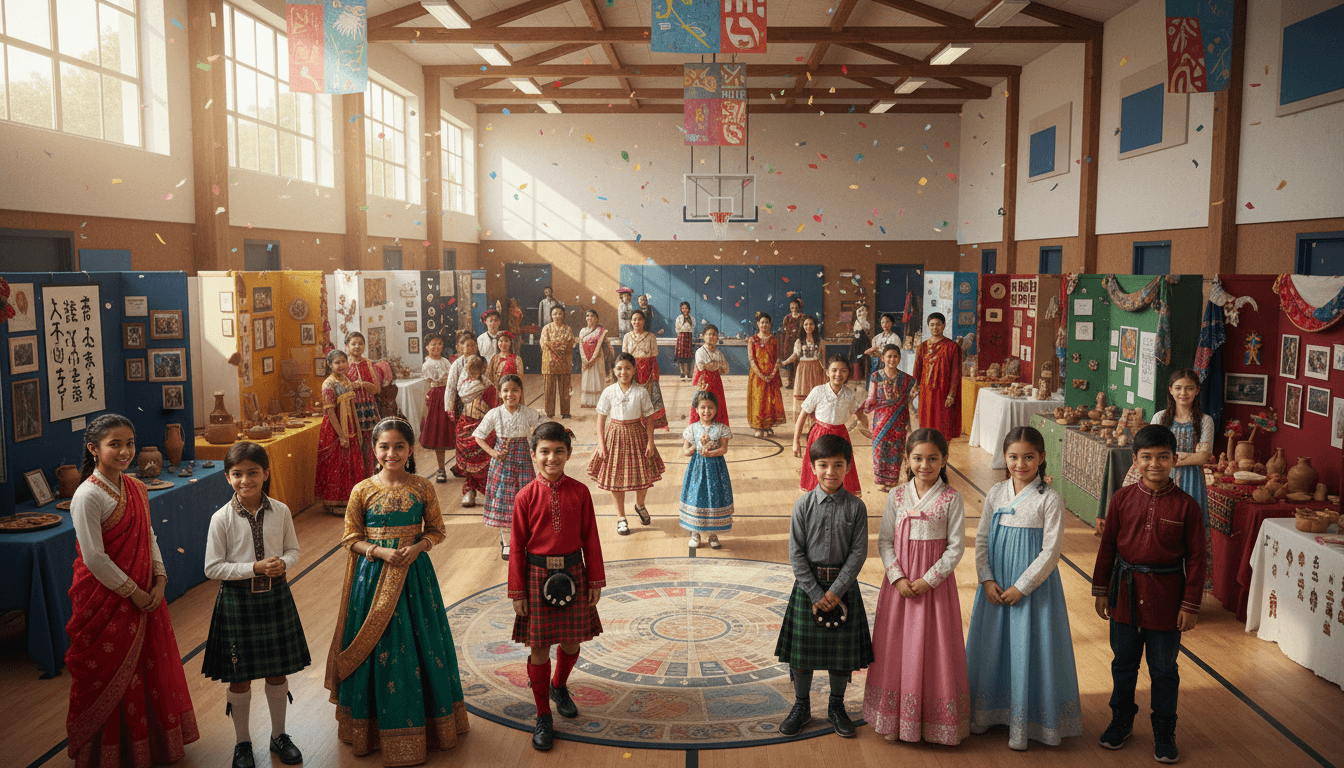
Cultural Competency Newsletter: Celebrating Diversity in Your School Community
Cultural competency programming in schools has a credibility problem. When it is done well, it builds genuine knowledge, respect, and connection across cultural differences. When it is done poorly, it produces a bulletin board display in February that does nothing and a staff that feels like they have checked a box. The difference is not the budget. It is the depth and authenticity of the work.
Your newsletter is one of the places where this distinction becomes visible. Here is how to write about cultural programming in ways that reflect genuine investment rather than performative effort.
Do Not Limit Cultural Recognition to Heritage Months
If the only time you write about Mexican culture in your newsletter is during Hispanic Heritage Month, you are not building cultural competency. You are building a calendar. Families from marginalized cultural groups notice when their culture appears in the newsletter exactly once a year and disappears the rest of the time.
Integrate cultural perspectives into how you write about curriculum, classroom events, and school life throughout the year. When a history class studies immigration policy, mention the families in your community who have direct experience with those policies. When an art class studies a visual tradition, note whether any of your students or families have connections to that tradition.
Invite Community Expertise Into the Newsletter
The families in your school community are the most authentic sources of cultural knowledge you have access to. Your newsletter should reflect this.
Ask a family to contribute a brief piece on a cultural tradition, a holiday, or a practice that is significant to them and share it in the newsletter. Make the invitation specific: not "would you like to share something about your culture" but "would you be willing to write two or three paragraphs about how Lunar New Year is celebrated in your family, for our January newsletter?" Specific requests get responses. Vague invitations do not.
Describe Cultural Celebrations in Detail
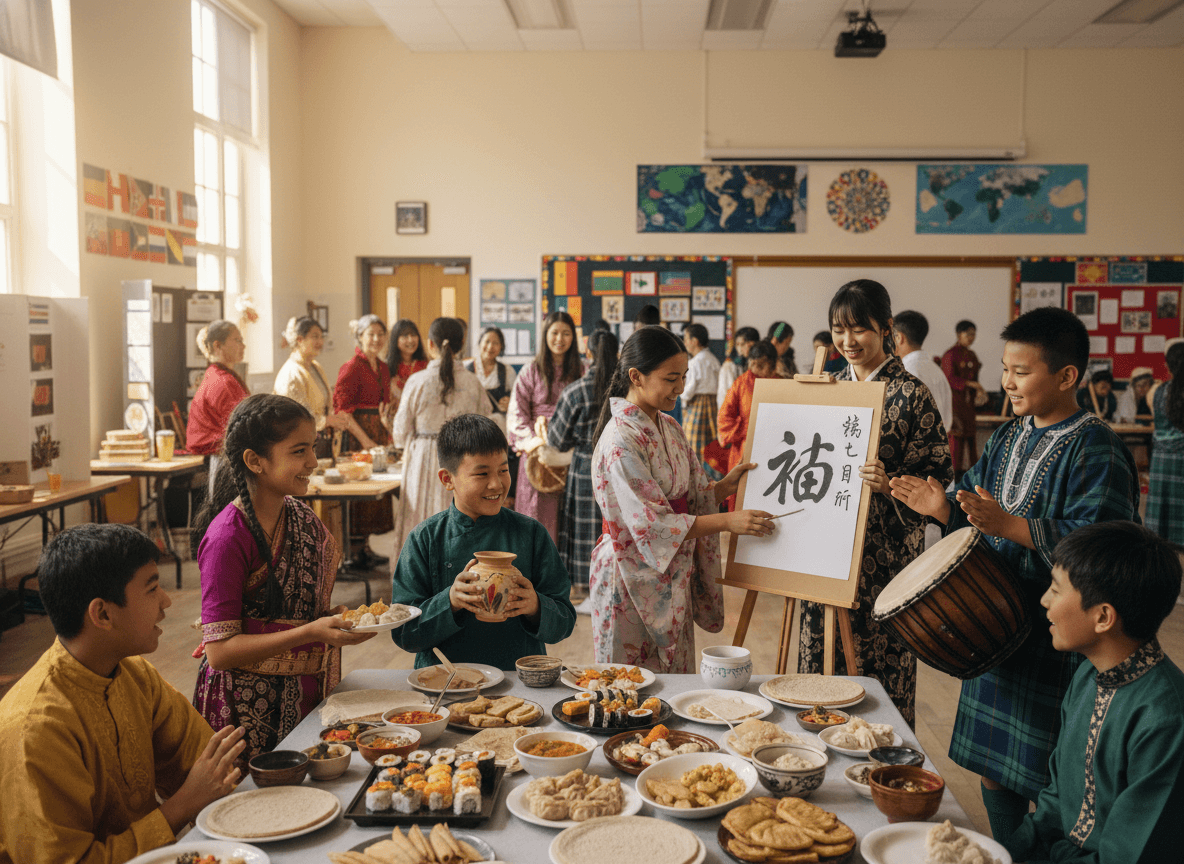
When your school holds a cultural event, the newsletter coverage should teach families something, not just announce that the event happened.
"Our Lunar New Year celebration on January 27th featured five student-led performances including a dragon dance organized by the Chinese American Student Association. Students also shared explanations of the significance of red envelopes, the 15-day holiday structure, and the role of family reunion dinners in the tradition. Families who attended told us it was the first time they had understood the structure of the holiday rather than just seeing images associated with it."
That coverage teaches. An announcement that "we celebrated Lunar New Year" does not.
Be Careful with Representation in Photos
Newsletters that consistently show the same demographic groups in positions of academic achievement and leadership, and other groups only in cultural performances or sports, reinforce stereotypes rather than challenging them. Audit your photos before they appear in print. Are the students representing excellence in academics, arts, and leadership across your school's full demographic range?
Acknowledge What Your School Is Still Learning
Cultural competency is a process, not a destination. Families respond better to honest acknowledgment of ongoing learning than to newsletters that project an image of a school that has figured it all out.
"We heard from families last fall that our Thanksgiving materials in third grade included representations of Native American cultures that were stereotyped and inaccurate. We have removed those materials and replaced them with a unit developed in consultation with members of the Tribal Nations Education Coalition. We are grateful to the families who brought this to us. That kind of direct feedback makes our school better."
That paragraph is uncomfortable to write. It is also exactly the kind of honesty that builds trust with families who have been paying attention.
Get one newsletter idea every week.
Free. For teachers. No spam.
Frequently asked questions
When should schools communicate cultural competency programming to families?
Throughout the year, not only during designated heritage months. Integrating cultural perspectives into regular newsletter coverage of curriculum and classroom life signals to families from all backgrounds that their community is central to the school year-round, not highlighted once and then set aside.
What should a cultural competency school newsletter include?
Detailed coverage of cultural events that teaches families something rather than just announcing what happened, family-contributed pieces on specific cultural traditions, honest acknowledgment of areas where the school is still learning, and representation of students across all demographic groups in photos of academic achievement and leadership.
How can schools celebrate diversity authentically through newsletters?
Invite specific families to contribute pieces on traditions that matter to them, framing the invitation concretely rather than vaguely. Audit photos regularly to ensure all student groups appear in contexts that reflect academic achievement and leadership, not only cultural performances or sports.
What are common mistakes in school cultural competency communication?
Limiting cultural recognition to one month per group, which signals to those families that their culture is a calendar event rather than a permanent part of school life. Covering cultural events with announcements rather than content that actually teaches. And projecting an image of a school that has diversity figured out rather than being honest about ongoing learning.
How can Daystage support more inclusive school newsletters?
Daystage helps schools build newsletter templates with dedicated sections for family-contributed cultural content and diverse student spotlights, making it easier to integrate representation across every issue rather than only when someone remembers to include it.

Adi Ackerman
Author
Adi Ackerman is a former classroom teacher and curriculum writer with 8 years in K-8 schools. She writes about school communication, parent engagement, and what actually works in real classrooms.
More for School Culture
Ready to send your first newsletter?
3 newsletters free. No credit card. First one ready in under 5 minutes.
Get started free