
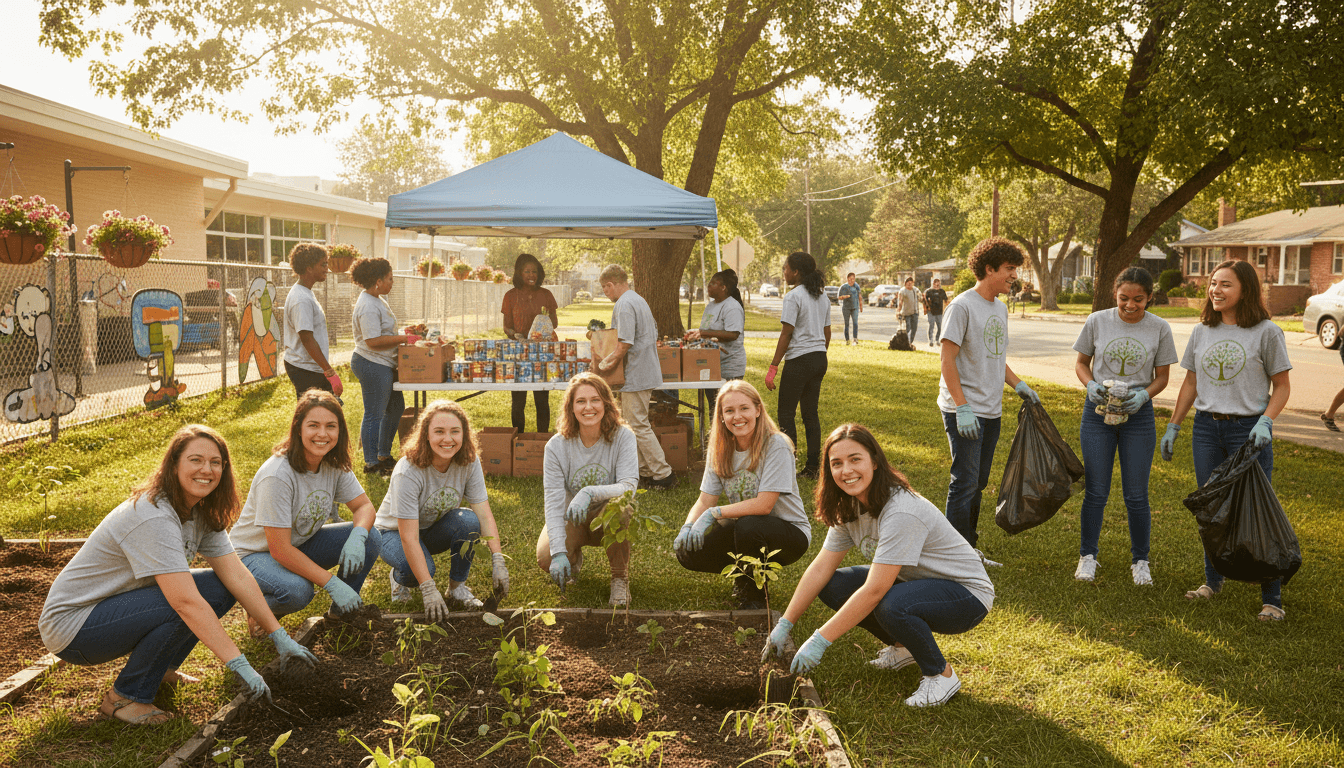
School Community Service Newsletter: Communicating Service Learning to Families
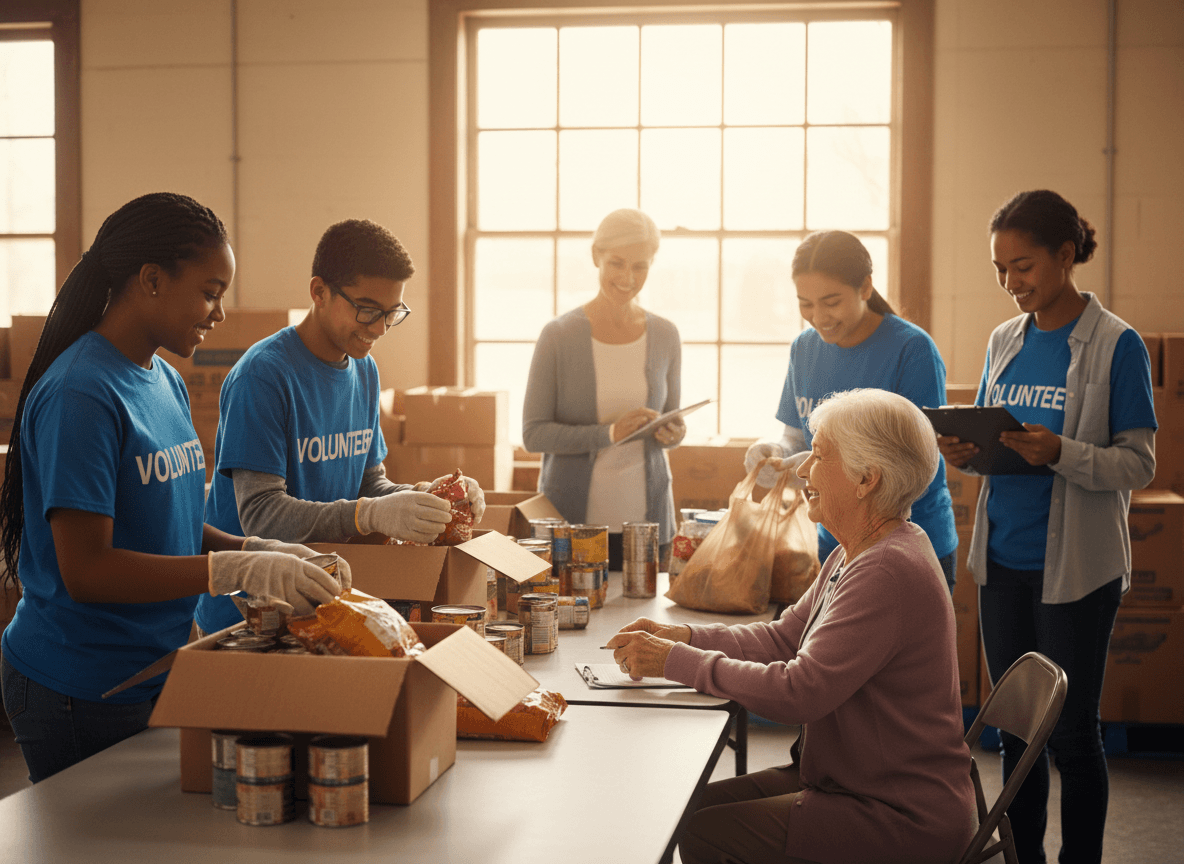
Service learning is not community service tacked onto a school day. It is curriculum-embedded, community-connected work where students apply academic skills to real problems in real contexts. The distinction matters because families who understand it support it differently than families who think their child is spending school time picking up trash.
Your newsletter is where you explain what service learning actually is, why students are doing it, and what it is producing.
Lead with the Academic Connection
Every service learning project should have an explicit academic thread. Name it first in any newsletter coverage of the project. If families understand that a food bank sorting project is also a data analysis project, and that students are tracking inventory, calculating distribution needs, and presenting findings, the service component makes sense in an academic context.
"Our eighth grade math classes are partnering with the Riverside Food Bank this semester. Students are collecting and analyzing weekly intake and distribution data to identify patterns in demand. They will present their analysis to Food Bank staff in May and propose one operational change based on their findings. This is applied statistics with a real audience and a real consequence."
Describe the Community Partner
Naming your community partners builds local identity and pride. It also tells families where their children are going and who they are working with, which matters for the families who want to know and is table stakes for the families who will be asked to sign permission slips.
Include a sentence or two about what the partner organization does and why the partnership makes sense. Families are more likely to support a service project when they understand the work of the organization students are serving.
Show Student Reflection, Not Just Student Action
What distinguishes service learning from volunteering is structured reflection. Students think critically about what they experienced, why the need exists, and what it means for their own understanding of the world. Your newsletter should show this reflection, not just the action.
Quote a student reflection directly. "Marcus, a seventh grader, wrote after his first session at the senior center: 'I thought we were going to entertain the residents. But what they actually wanted was to tell us their stories. I think I was the one who learned more.' That kind of perspective shift is what service learning is designed to produce."
Invite Family Participation
Service learning projects often have entry points where families can participate: donation drives, attending student presentations, volunteering alongside students, or connecting the school with community organizations they already know. Make these invitations explicit.
"We are collecting gently used winter coats through November 15th for our partnership with Community Warmth. Drop-offs at the main office or at pickup. Families who want to volunteer alongside students at the distribution event on November 22nd should email [teacher name] by November 8th."
Report the Outcome, Not Just the Effort
After a service learning project concludes, report what it produced. Numbers are more powerful than descriptions.
"Our fifth graders spent eight weeks creating an illustrated guide to native plants for the city parks department. The guide was accepted for use in all four city parks that have interpretive signage. 220 copies have been printed. Three students were invited to present the guide to the city's Parks and Recreation Commission."
That report shows families that the service was real, the work had impact, and the students were treated as contributors rather than just participants. That distinction is what makes service learning worth communicating about.
Get one newsletter idea every week.
Free. For teachers. No spam.
Frequently asked questions
When should schools communicate community service projects to families?
Communicate before the project begins so families understand the academic connection from the start, during the project to share student reflections and progress, and after it concludes to report measurable outcomes. Families who only hear about service projects once they are over miss the opportunity to reinforce the learning at home.
What should a school community service newsletter include?
The academic standard the project addresses, a description of the community partner and why the partnership was chosen, direct quotes from student reflections, specific invitation for family participation, and post-project outcome data with numbers. All five elements together show families that service learning is curriculum, not enrichment.
How can schools communicate service learning through newsletters?
Lead with the academic connection every time, not the charitable angle. Quote students reflecting on what they learned rather than just describing what they did. Invite families to participate in specific ways like donation drives or attending presentations, with names, dates, and deadlines clearly stated.
What are common mistakes in school community service communication?
Framing service projects as charity rather than curriculum, which makes academic families skeptical about time use. Reporting only on student effort and not on outcomes, which leaves families without a sense of real-world impact. And announcing projects without inviting family participation, which misses a chance to strengthen community connection.
Can Daystage help schools report service learning outcomes to families?
Daystage gives schools a straightforward way to build recurring newsletter sections that track service learning projects from launch to outcome, making it easier to close the loop with families rather than communicating only at the start of each project.

Adi Ackerman
Author
Adi Ackerman is a former classroom teacher and curriculum writer with 8 years in K-8 schools. She writes about school communication, parent engagement, and what actually works in real classrooms.
More for School Culture
Ready to send your first newsletter?
3 newsletters free. No credit card. First one ready in under 5 minutes.
Get started free