
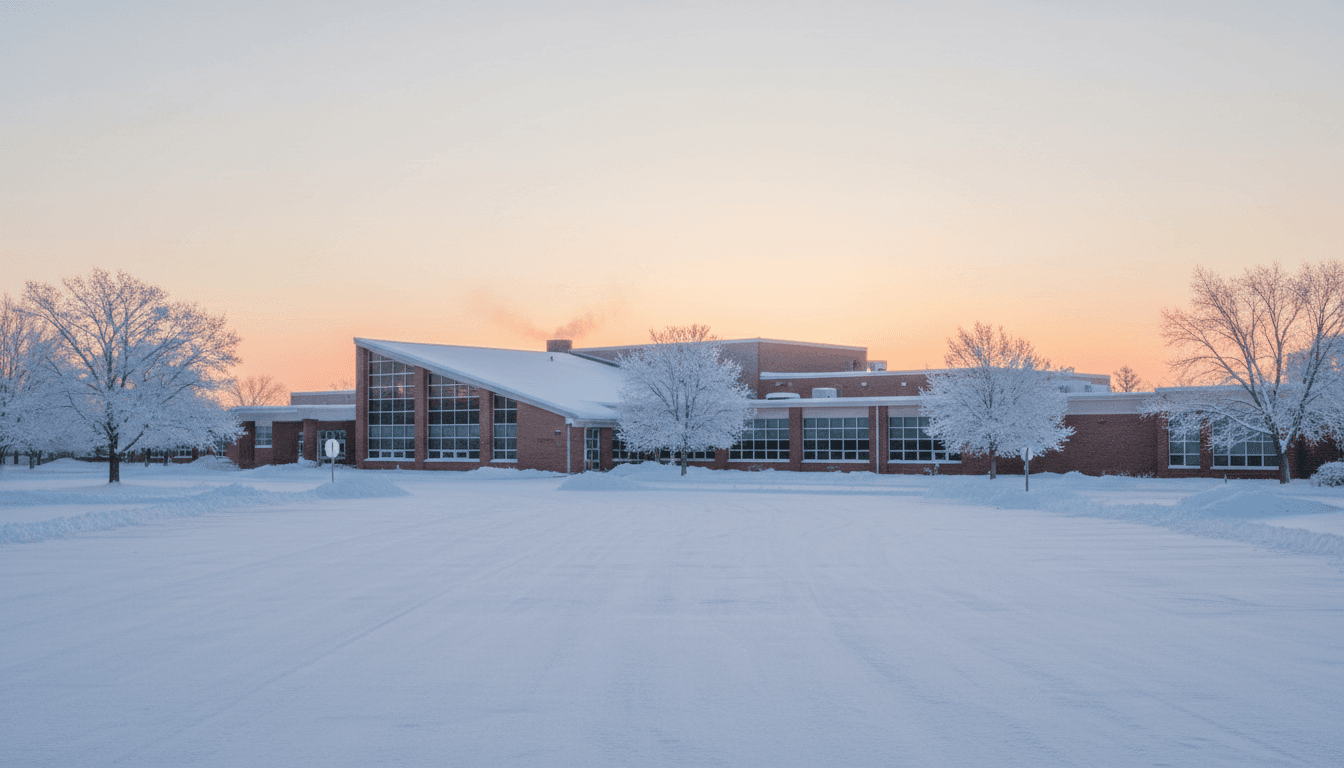
Weather Emergency School Closure: Communication Template for Principals

Weather closures are the most common emergency communication a principal sends. They are also the ones most likely to go wrong, not because the decision is hard, but because the message is rushed. A notification sent at 4:45 a.m. with missing information generates a hundred callbacks before 8 a.m. This guide walks through what to say, when to say it, and how to structure the message so families have everything they need.
Make the decision and own it early
The single most important communication choice you make is when you send the message. Families with young children need time to arrange childcare. If you are closing or delaying, they need to know by 5:30 a.m. at the latest for same-day decisions. If you can confirm the closure the night before, do it before 10 p.m. A late notification is better than no notification, but an early one is what actually helps. Waiting for certainty you will never fully have is a mistake. Make the call, send the message.
Lead with the decision, not the explanation
The first sentence of your notification should state the outcome plainly: "Lincoln Elementary will be closed tomorrow, Thursday, January 16, due to winter storm conditions." Do not open with weather context, district background, or appreciation for patience. Families are reading this at 5 a.m. half-asleep with a child in their lap. Give them the decision first, then support it with context.
Answer the questions families will ask
A good weather closure message answers six questions before families have to ask them. Is school closed or delayed, and for how many days? Should staff report? What happens to scheduled tests, events, and field trips? Is remote learning expected today, and if so, where do families find assignments? When will you communicate again if the situation changes? Every question you leave unanswered becomes a phone call to your front office during the most chaotic morning of the week.
Handle remote learning expectations clearly
If your district expects students to complete work on closure days, say so explicitly and tell families where to find it. "Students should log into Google Classroom by 10 a.m. for their daily assignment packet" is useful. "Educational activities may be available online" is not. If you are not doing remote learning on closure days, say that too. Ambiguity about whether the day counts as instruction time generates anxiety among families and staff alike.
Close with the next communication touchpoint
If there is any possibility the closure extends beyond one day, tell families when they will hear from you again. "We will send an update by 9 p.m. tonight regarding Friday's schedule" creates predictability. It also dramatically reduces the number of people who contact you looking for information you have not yet decided on. A promised follow-up message is one of the most effective tools a principal has for managing family anxiety during multi-day closures.
How Daystage helps on closure mornings
Daystage was built for exactly this scenario. You speak your closure message out loud, and it sends as a formatted email newsletter to every family in your school within minutes. No logging into a desktop system at 4:30 a.m., no formatting, no fighting with a template. The message reaches families looking like it was written at a desk, even when you sent it from your kitchen in the dark.
Get one newsletter idea every week.
Free. For teachers. No spam.
Frequently asked questions
How early should a principal send a weather closure notification?
As early as possible, ideally by 5:30 a.m. for a same-day closure. Families with young children need time to arrange childcare before the workday starts. If the decision is made the night before, send it before 10 p.m. so families are not caught off guard in the morning. Uncertainty is harder on families than a firm answer, even a disappointing one.
What should a weather closure notification always include?
The closure status (closed or delayed), which days are affected, whether staff should report, what happens to scheduled events and assessments, whether remote learning is expected, and the next expected communication. Omitting any of these forces families to call the school, which overwhelms your office at the worst time.
Should principals communicate weather decisions even when uncertain?
Yes. A message that says 'we are monitoring conditions and will send a final decision by 5 a.m.' is far better than silence. It tells families you are aware of the situation and reduces the flood of calls to the main office. Uncertainty messaging is a legitimate communication act.
What is the right channel for weather closure notifications?
Email is the most reliable for detailed information. Pair it with a text or push notification for speed. Avoid relying solely on social media, which requires families to be actively checking your feed. Your primary channel should reach every family automatically without them having to seek it out.
How does Daystage help during weather emergencies?
Daystage lets principals speak a quick closure notification into their phone and send it as a formatted email newsletter to all families in under two minutes. No log-in gymnastics, no formatting work at 4:30 a.m. The message goes out looking professional even when you are in crisis mode.

Adi Ackerman
Author
Adi Ackerman is a former classroom teacher and curriculum writer with 8 years in K-8 schools. She writes about school communication, parent engagement, and what actually works in real classrooms.
More for Crisis Communication
Ready to send your first newsletter?
3 newsletters free. No credit card. First one ready in under 5 minutes.
Get started free