
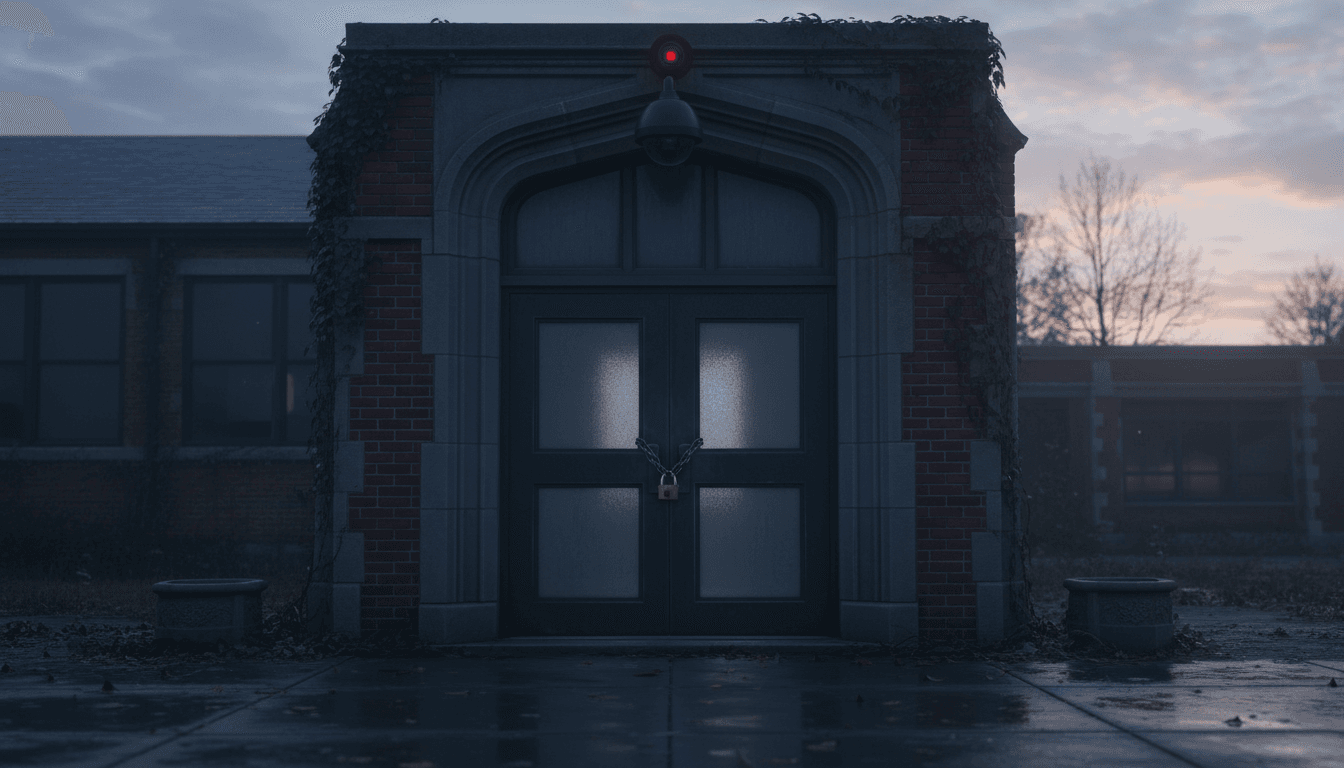
School Break-In: How to Communicate with Families

A school break-in is discovered at the worst possible time: early morning, before staff arrive, with school starting in a few hours. The principal's first call is to law enforcement. The second is to the district. But the third, or the one happening simultaneously, needs to be to families. They deserve to know before they show up to a parking lot with police cars and crime scene tape and no explanation.
The First Communication: Fast and Short
The first message to families does not need to be comprehensive. It needs to answer two questions: is school happening today, and is it safe to bring my child? Send this as early as possible, even if you do not yet know the full scope of what happened.
"Our school experienced a break-in overnight. Police are on site and assessing the situation. School will proceed as normal. We will share more information as soon as it is available." That is enough for the first communication. It gives families what they need to plan their morning without pretending you have answers you do not yet have.
The Follow-Up: What Happened and What Was Taken
Once law enforcement has cleared the scene and you have a clearer picture of what occurred, send a second communication within the same day. This is the message that covers what area of the building was entered, what was taken or damaged, whether any student property or records were involved, and what the district is doing in response.
Be direct about what was taken. If computers were stolen from a classroom, say that. If the front office was targeted, say that. If petty cash or equipment was the target and there is no reason to believe student data was accessed, say that clearly. Vagueness generates speculation, and the speculation is usually worse than the reality.
Addressing Student Data and Personal Property
If students store personal belongings in lockers or classrooms that were accessed, note whether those areas were affected. If student devices, backpacks, or other property was taken, let families know how to report missing items and what the school is doing to document losses for insurance or recovery purposes.
If there is any possibility that student records, personal data, or devices containing student information were compromised, flag this explicitly and follow your district's data breach notification protocol. Do not assume data privacy concerns are only relevant to digital attacks.
The Security Question
After a break-in, families will ask about security. Some will ask directly; more will wonder quietly. Address it proactively. You do not need to have a complete answer. You need to demonstrate that the school is taking the question seriously and has a process for evaluating it.
Share what immediate steps were taken: whether locks or entry points were secured, whether security cameras captured useful footage, whether the district security team is conducting a review. Give families a timeline for when they will hear more about longer-term security improvements. "We will share a security review update with families by [date]" is a commitment that builds trust when you follow through.
Sending Early and Clearly with Daystage
Break-ins are almost always discovered before school staff are fully on site. The window for proactive communication is short, and the tools available at 6 AM from a parking lot are whatever is on your phone. Daystage is designed for exactly this scenario. Principals who use it for crisis communication appreciate being able to send a formatted, school-branded newsletter to every family from their phone in a few minutes, without needing to log into a school email system or locate a distribution list.
Get one newsletter idea every week.
Free. For teachers. No spam.
Frequently asked questions
Should a school notify families of every break-in, even minor ones?
Yes, if the break-in is discovered before school resumes. Families arriving with their children to a school where law enforcement is present, where a classroom has been ransacked, or where entry points are visibly damaged have a right to know what happened before they pull into the parking lot. An early morning text or email prevents confusion and demonstrates transparency. A break-in that families discover on their own suggests the school had something to hide.
What is the most important thing to communicate in a break-in notification?
Whether students are safe and whether school will proceed normally. Families want to know two things first: is my child walking into a dangerous situation, and do I need to change my morning plans? Answer those questions in the first two sentences. Everything else, including what was taken and what law enforcement found, can follow.
How should a principal handle the case where student records or personal devices were taken in a break-in?
If student data was potentially accessed or taken, treat it as a data privacy incident in addition to a break-in. Notify the families of the specific students whose information may have been compromised directly and specifically, beyond the general school-wide communication. Consult with your district's legal counsel on any notification requirements under state privacy laws.
How do you address family concerns about school security after a break-in without overpromising?
Be honest about what the school is doing and what it is evaluating. 'We are working with our district security team to assess our current access control and will share our findings with the community by the end of the month' is both accurate and responsive. Overpromising, such as announcing major security upgrades before any decisions have been made, creates its own credibility problem when the promised changes do not materialize.
How does Daystage help with break-in communication?
A break-in is often discovered early in the morning before school staff are in the building. Daystage allows principals to send a family notification from their phone before they arrive on campus, before the front office phones start ringing. Early notification prevents dozens of confused and anxious calls and gives families the information they need to plan their morning.

Adi Ackerman
Author
Adi Ackerman is a former classroom teacher and curriculum writer with 8 years in K-8 schools. She writes about school communication, parent engagement, and what actually works in real classrooms.
More for Crisis Communication
Ready to send your first newsletter?
3 newsletters free. No credit card. First one ready in under 5 minutes.
Get started free