
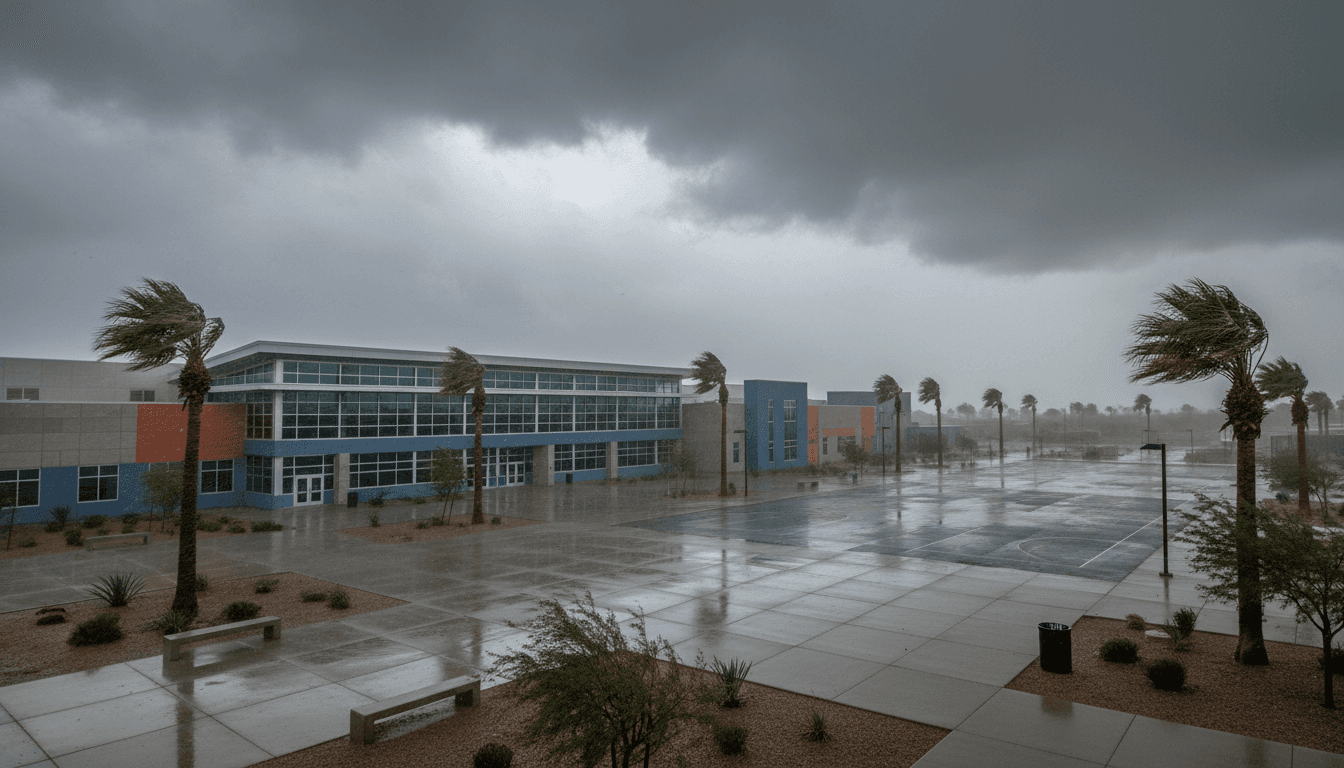
Hurricane School Closure Communication for Parents

Hurricane closures require a communication plan that spans days, not hours. Unlike a snow day, a hurricane involves multiple phases: the threat phase before landfall, the closure itself, the post-storm assessment, and the return to school. Families need clear information at each stage. What you say before the storm is as important as what you say after it.
Communicate the closure before the storm arrives
Do not wait for the storm to be on your doorstep. When a hurricane watch is issued for your area, send an initial message to families confirming your monitoring status and telling them when they can expect a closure decision. When the watch becomes a warning, close and communicate immediately. Families with children who take medication at school, have special equipment at their desk, or rely on transportation need to act. Every hour of lead time you give them matters.
Tell families what to do with things left at school
Before a multi-day closure, families often want to retrieve items from the school. Be clear about whether the campus is accessible before closure and what the plan is for student belongings during the storm. "The school will be open for retrieval of medications and essential items until 2 p.m. on Wednesday. After that, the campus will be secured." This eliminates calls to your main line and prevents families from showing up after you have locked the building.
Set a daily communication cadence during the closure
Even if there is nothing new to report, send a brief update each day during a hurricane closure. Something as simple as "We have not yet been able to assess building conditions. Our team will enter the campus as soon as it is safe to do so, which we anticipate being Thursday morning. We will send a reopening update by Thursday at noon." This keeps families from spinning out. It tells them you are on it and they will hear from you on a schedule.
Address families who have evacuated out of the area
Some of your families will leave. They may not return for weeks. Your communication should acknowledge this explicitly and tell evacuated families what the plan is for their students, whether that is remote learning for an extended period, attendance flexibility, or enrollment transfer support if needed. "If your family has evacuated and is uncertain about your return timeline, please email the front office so we can note your situation and plan accordingly" is the right call.
The post-storm message is your most important one
After the storm passes and you have assessed the building, send a complete reopening update. Include the status of the physical building, whether any services like cafeteria or transportation are affected, the confirmed reopening date, whether any accommodations are needed for students returning from evacuation, and where families can direct questions. This message sets the tone for the recovery. Write it carefully.
How Daystage helps during hurricane season
Daystage was designed to work from a mobile phone, which is exactly what you have access to when your school is locked and your area is recovering from a storm. You record your update, Daystage formats it, and every family receives it as an email newsletter. No system to log into, no template to fight with. For schools in hurricane-prone regions, this is a practical advantage when it matters most.
Get one newsletter idea every week.
Free. For teachers. No spam.
Frequently asked questions
When should a school start communicating with families about a hurricane threat?
At least 72 hours before projected landfall for a watch, and immediately when a warning is issued for your area. Families need time to prepare evacuation plans, secure childcare, and make decisions about whether to shelter in place or leave the area. Early communication is not alarmist, it is responsible.
What should a pre-hurricane school closure message include?
The closure decision and which days are affected, what to do with student medications or belongings left at school, whether staff will be on campus during the closure, how and when the school will communicate updates, and what families should do if they need to evacuate the area entirely.
How do you communicate with families who evacuate before a hurricane?
Email is your most reliable channel since evacuated families likely have their phones but may not have local radio or TV access. Make sure your contact list is current and that notifications are going to email, not just to addresses that depend on local infrastructure.
What is the right message to send immediately after a hurricane passes?
A safety check-in that confirms the building's status, whether staff have been reached, and a clear timeline for when families can expect to hear about reopening. If you do not know when the school will reopen, say that and commit to a specific time by which you will have an update.
How does Daystage help with hurricane communication?
Daystage lets principals send voice-to-email newsletters from a mobile phone with no office access required. During and after a hurricane when your building may be inaccessible, you can send a professional family update from wherever you are sheltering. The message reaches every family automatically.

Adi Ackerman
Author
Adi Ackerman is a former classroom teacher and curriculum writer with 8 years in K-8 schools. She writes about school communication, parent engagement, and what actually works in real classrooms.
More for Crisis Communication
Ready to send your first newsletter?
3 newsletters free. No credit card. First one ready in under 5 minutes.
Get started free