

Respiratory Illness Outbreak: What to Tell School Families
Respiratory illness surges in schools land differently since 2020. Families are more alert to symptoms, more likely to pull children at the first cough, and more likely to have strong feelings about whether a school responded fast enough. That context changes how you write your notification. Not because families have become irrational, but because the stakes of getting the communication wrong are higher than they were before.
Lead with what you know, not what you are managing
The most common mistake in respiratory illness notifications is opening with process: "We have convened our health team and are working closely with the district..." That buries the information families need. Lead with the facts. "We have seen a significant increase in students reporting fever, cough, and fatigue over the past three days, primarily among students in grades 2 through 4. As of today, approximately 15 percent of our student body is absent." Process comes second. Data comes first.
Be specific about symptoms and affected grades
Name the symptoms. Name the grades. Tell families what the school nurse has documented. This is not about creating alarm. It is about giving parents the information they need to monitor their own child. A parent who knows that the outbreak is specifically affecting second graders and presents with fever and sore throat will watch their second grader differently than a parent who received a generic "we are aware of increased illness in the building" message.
If your school nurse or the county health department has confirmed influenza A, say so. If it is suspected but not confirmed, say that explicitly. The difference between "we have confirmed influenza A" and "symptoms are consistent with influenza but testing is ongoing" matters.
Give families the criteria for keeping a child home
The most read section of any illness notification is the part that tells families what to do. Write it as a simple list. Fever above 100.4. Vomiting in the last 24 hours. Difficulty breathing. Whatever your district guidelines specify. Then tell families how long to keep a child home after symptoms resolve.
If you do not give families clear criteria, you will spend the next two days fielding phone calls from parents who are not sure whether a low-grade fever at 7 a.m. means their child should stay home. A three-sentence stay-home criteria paragraph saves you hours.
Describe the school's response actions
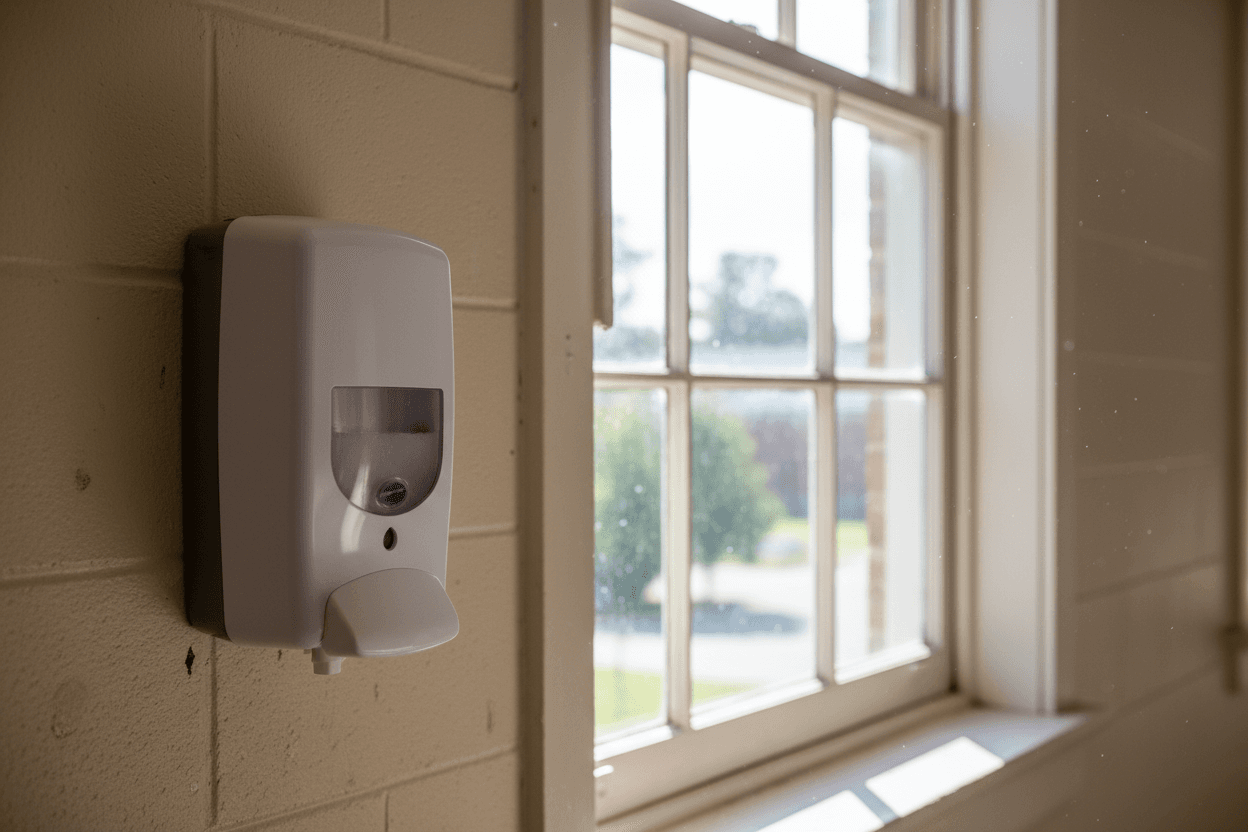
Families want to know that someone is doing something. Be specific. "We are increasing ventilation in classrooms by opening windows and adjusting HVAC settings. Custodial staff are disinfecting high-touch surfaces three times daily. We have additional hand sanitizer available at classroom entries." That paragraph takes ninety seconds to write and signals competence.
Avoid listing actions that are vague or implied. "We are taking appropriate precautions" tells families nothing. "Appropriate precautions" could mean anything. Be concrete or leave it out.
Close with when to expect your next update
Tell families when you will update them again. "We will send an update by Thursday with the latest attendance data and any guidance from the county health department." A commitment to follow up prevents families from filling the silence with speculation. Then send the update when you said you would, even if there is nothing new to report. "No new developments to share today. Absences remain elevated but appear to have stabilized. We will continue monitoring and will update you Friday." That message takes two minutes to send and maintains trust.
How Daystage supports fast outbreak communication
When you are managing a respiratory illness surge, you are also fielding calls, coordinating with nurses, and watching your absence numbers in real time. Daystage lets you record your update by voice and send a formatted, professional newsletter to families without having to sit down and write. For time-sensitive health communications where speed and clarity both matter, that combination is useful.
Get one newsletter idea every week.
Free. For teachers. No spam.
Frequently asked questions
How do you communicate a respiratory illness outbreak without triggering COVID anxiety?
Be specific about what you know and do not conflate it with COVID unless testing confirms COVID. Name the symptoms you are seeing, describe what the health department says, and be clear about which populations are most affected. Vague messaging about 'respiratory illness' with no further context is what triggers COVID comparisons. Specificity prevents them.
When should a school notify families about a flu or respiratory illness surge?
When absenteeism exceeds 10 percent of your normal daily attendance, or when your school nurse identifies a cluster of similar symptoms in a single grade or classroom. Either threshold warrants a parent notification. Earlier is always better. A message sent on Tuesday that turns out to be unnecessary is far better than a message sent Thursday after parents have been speculating for two days.
What should the subject line of a respiratory illness notification say?
Be direct. 'Health Update: Increased Respiratory Illness at [School Name]' tells the reader exactly what they are opening. Avoid subject lines like 'Important Health Information' which are vague and get lower open rates. The subject line should answer the question 'what is this about?' before the parent even opens the message.
Should you recommend that families get flu shots in your school outbreak communication?
If flu is confirmed, yes, and you can do so without being prescriptive. 'The county health department recommends that anyone who has not yet received this season's flu vaccine consider doing so. Your child's pediatrician can advise on timing.' This is useful information that does not overreach your role as a school administrator.
How do you communicate stay-home criteria without creating legal liability?
Quote your district's or state's published health guidelines rather than creating your own. Most districts have published criteria for when students should be excluded from school due to illness. Reference those directly: 'Per [district] health guidelines, students should remain home if they have a fever of 100.4 or higher, and return only after 24 hours fever-free without fever-reducing medication.' This protects the school and gives families a clear standard.

Adi Ackerman
Author
Adi Ackerman is a former classroom teacher and curriculum writer with 8 years in K-8 schools. She writes about school communication, parent engagement, and what actually works in real classrooms.
More for Crisis Communication
Ready to send your first newsletter?
3 newsletters free. No credit card. First one ready in under 5 minutes.
Get started free