

Chemical Spill Near School: Family Notification Guide
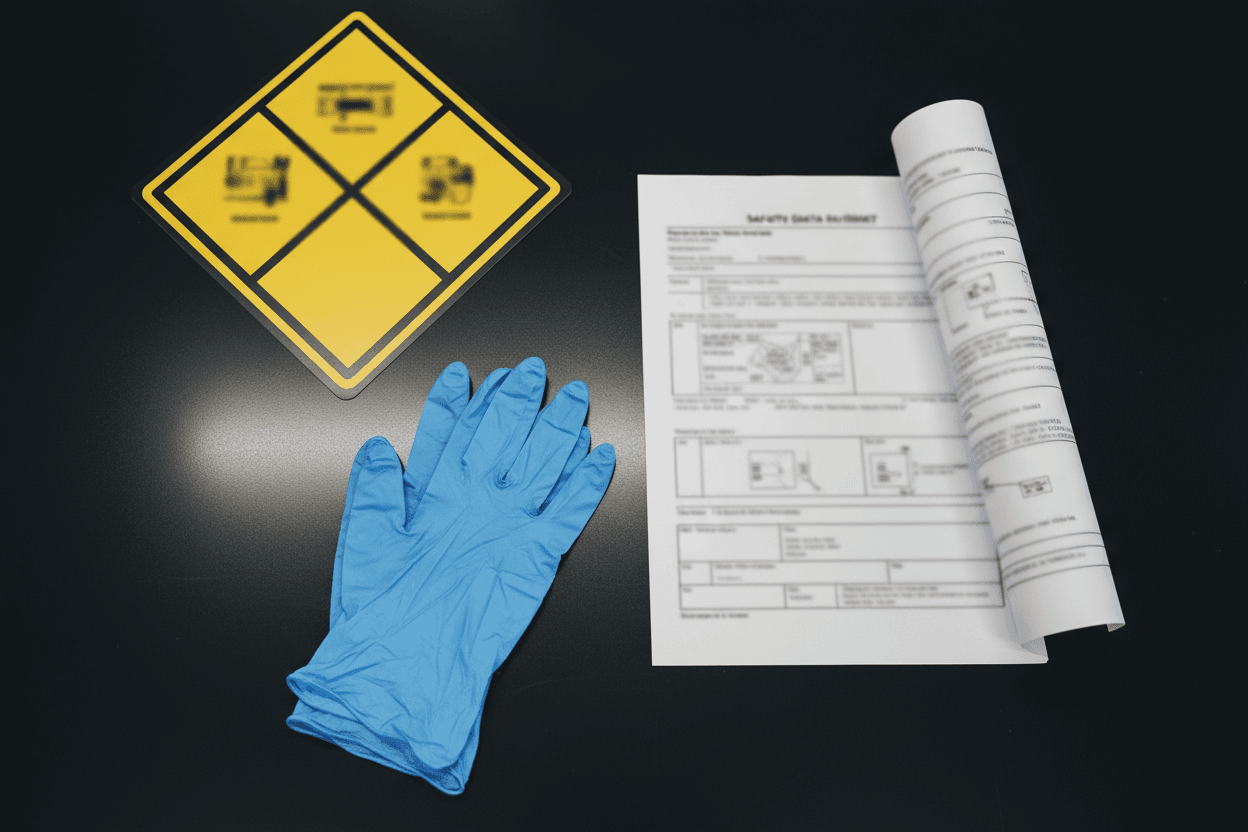
A chemical spill near a school, whether from a transportation incident, a neighboring facility, or a lab accident on campus, puts families on high alert the moment word spreads. Your communication in this situation needs to be accurate, calm, and closely coordinated with emergency management. The stakes of getting it wrong, either by understating risk or overstating it, are high. Here is how to approach it.
Follow emergency management and say so explicitly
In a chemical spill event, your decisions about shelter-in-place, evacuation, and reentry are not yours to make independently. Hazmat teams and emergency management personnel make those calls. Your job is to execute their direction and communicate it to families. In your messages, say this explicitly: "We are following the guidance of the incident command team on scene. We will update you immediately when the status changes." This prevents families from lobbying you to override a decision that was not yours in the first place.
Lead with what you know, not what you do not
Families want to know what is happening. They will ask about the chemical involved, whether it is harmful, and whether their child was exposed. You may not have any of those answers yet. Lead with what you do know: students are safe, a protective measure is in place, first responders are handling the situation, and you will share information as it becomes available. Silence around the unknowns is appropriate. Speculation is not.
Hold the shelter-in-place line with parents who want to pick up
During a chemical spill shelter-in-place, some parents will drive to the school and demand to take their child. This is understandable. It is also dangerous if the exterior air quality is a concern. Your message to families should preempt this by explaining why staying inside is the safest option. "Emergency management has directed us to keep students inside the building where air quality is controlled. Moving students outside or into vehicles at this time would increase exposure risk, not decrease it." This reframes the shelter-in-place as a protective act, which it is.
Communicate the all-clear with the same urgency as the initial alert
When emergency management lifts the shelter-in-place or clears the building, send an all-clear message immediately. Do not wait until the end of the day or until you have a full report. Families who have been waiting for information will check their phones constantly. Your all-clear message should confirm the event is resolved, what the remainder of the school day looks like, whether students were affected in any way, and where families can direct questions about health and safety follow-up.
Send health guidance from official sources, not yourself
After the immediate event is over, families will have questions about health monitoring. Do not write your own health guidance. Instead, share the link or contact information for the local health department, the EPA statement if applicable, or whatever official source is managing the public health response to the incident. "The county health department has issued guidance for families concerned about exposure. We are sharing their statement below." This is correct and it protects you from liability that comes with amateur health communication.
How Daystage helps during chemical spill events
Chemical spill events can restrict access to your school building for hours. Daystage lets you manage all your family communication from a mobile phone, sending formatted email newsletters without any access to your office. Whether you are coordinating from the parking lot or a command vehicle, your messages reach every family automatically. The ability to communicate professionally without a desk is not a convenience in these events, it is a necessity.
Get one newsletter idea every week.
Free. For teachers. No spam.
Frequently asked questions
Should a school shelter in place or evacuate during a chemical spill?
This decision belongs to local emergency management and hazmat personnel, not the principal. Your role is to follow the direction of first responders and communicate that direction to families. When hazmat is involved, do not make independent decisions about reentry or movement. Defer to the incident commander on scene.
What should the first parent notification say about a chemical spill?
That students are safe and what protective measure is in place, whether shelter-in-place or evacuation. Include the location of first responders if the spill is external, note that you are following guidance from emergency management, and tell families you will update them with any change in status. Do not speculate on the chemical involved or the health risk.
How do you handle parent demand to pick up their child during a shelter-in-place?
Be direct that the shelter-in-place order is for student safety and early pickup is not currently possible. 'We understand this is difficult. The shelter-in-place order is in effect for your child's protection and is directed by emergency management personnel on scene. As soon as the order is lifted, we will communicate pickup procedures immediately.' Empathetic but firm.
What health information should principals share after a chemical spill?
Only what emergency management or the relevant health authority confirms. Do not speculate on symptoms, exposure risk, or health effects. Point families to the official source, whether that is the local health department, the EPA, or the hazmat incident commander's public statement. Your job is logistics and community communication, not medical assessment.
How does Daystage support chemical spill communication?
During a chemical spill event, the school building may be inaccessible or under shelter-in-place restrictions for staff as well. Daystage runs from a mobile phone, letting you send shelter-in-place updates, all-clear notices, and health guidance follow-ups without needing your office or desktop systems.

Adi Ackerman
Author
Adi Ackerman is a former classroom teacher and curriculum writer with 8 years in K-8 schools. She writes about school communication, parent engagement, and what actually works in real classrooms.
More for Crisis Communication
Ready to send your first newsletter?
3 newsletters free. No credit card. First one ready in under 5 minutes.
Get started free