
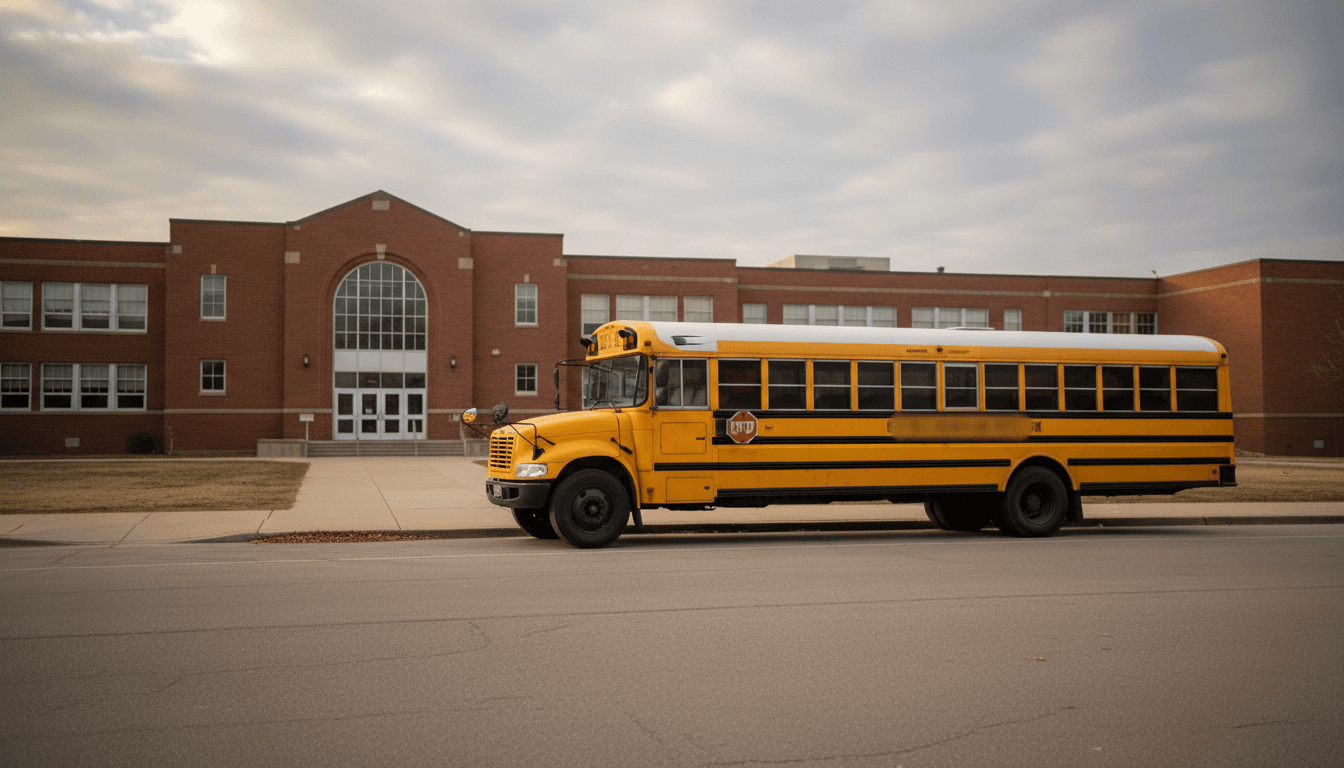
School Bus Accident: Parent Notification Communication
A school bus accident is one of the fastest-moving communication emergencies a principal or district administrator faces. Families often hear about it from radio, news alerts, or other parents before the school has confirmed the details. The communication window between "we just received a report of an accident" and "families are already calling the front office in a panic" is very short. What you send in that window matters more than almost anything else you will do that day.
Call First, Notify by Text Second
Before any mass communication goes out, every family whose child was on that bus needs a direct phone call. Not an email. Not a text. A call, from a staff member who has current information about their child's status. This is non-negotiable. A parent should never learn that their child was on a bus that crashed from a school newsletter or a push notification.
If you do not yet know whether any students were injured, the call still needs to happen: "Your child was on bus [number], which was involved in an accident. All students are being evaluated. We will call you again within the next 20 minutes with an update on [child's name]." That is enough for the first call.
The Mass Communication: All Families, Within the Hour
Once direct calls to bus families are underway, send a brief notification to all school families. This catches the sibling situation (a student not on the bus whose brother or sister was), prevents incorrect information from spreading without correction, and demonstrates that the school is managing the situation actively.
The mass notification should cover: which bus was involved and on which route, the current status of all students (all students are safe, a small number were taken to hospital for evaluation as a precaution, etc.), where students have been taken if they left the scene, and a phone number for families to call with questions. Keep it under 150 words. This is not the time for a full account of the accident.
The Follow-Up: When You Have More Information
Within two to four hours, or sooner if the situation resolves, send a second communication to all families with a more complete picture. Include what happened, what emergency response was deployed, the current status of any students who received medical attention, and what the school or district is doing next.
If students need to be retrieved from a location other than school, explain the process clearly. If buses from the affected route will not operate the following day, communicate that with alternative transportation information. If the cause is known, include it if it is appropriate to share.
Student Emotional Support After the Accident
Students who were on the bus during an accident may show signs of stress or trauma in the days that follow, even if they were not physically injured. Include information about counseling support in your follow-up communication. Name the counselors available, explain how students can access them, and ask families to share the resource with their children.
Communicating from the Scene or the Hospital
The hardest part of bus accident communication is that the people who most need to send it are often not at their desks. The principal may be at the scene. The transportation director may be at the hospital. The assistant superintendent may be on a phone bridge with law enforcement. Daystage is built for this reality. It works from a phone, does not require access to school email infrastructure, and reaches every family inbox in the same way as a desktop-sent newsletter. When you are managing the incident from outside the building, you should not have to come back to the building to send a communication.
Get one newsletter idea every week.
Free. For teachers. No spam.
Frequently asked questions
How quickly should families be notified after a school bus accident?
As soon as the school or district has confirmed that an accident occurred and has basic information about student status. Do not wait until you have complete information. A notification sent within 30 minutes of learning about the accident that says 'we are aware of an incident involving bus [number] and are working to reach every family' is far better than waiting an hour for complete information. Families who learn about a bus accident involving their child from news coverage before hearing from the school are understandably furious.
What if some students are injured and others are not? Should all families be notified the same way?
No. Families whose children were transported by the accident bus should receive individual direct notification by phone before any school-wide communication goes out. The school-wide communication goes to all families at the same time or shortly after the individual calls. Never notify families of injured students through a mass email. A parent should never learn that their child was involved in an accident from a newsletter.
What are the most important elements in a bus accident family notification?
Status of all students on the bus, where students have been taken (hospital, back to school, or held at the scene), how parents can get to their child, what the school knows about the cause and severity, and what the contact number is for parents who have additional questions. Keep it in that order. Student status comes first, every time.
What if the accident involved a fatality?
This requires crisis communication protocols beyond a standard notification letter, including coordination with law enforcement on what information can be shared, notifying the family directly before any public communication, and bringing in a crisis counseling team. The school-wide communication in a fatality situation should be written with a counselor or crisis communication specialist and should not go out until the immediate family has been personally notified.
How does Daystage support bus accident communication?
Daystage allows district and school administrators to send a mass family notification quickly from any location, including from the scene or from a hospital waiting area. When the school's regular communication systems require staff to be at their desks, Daystage removes that constraint. Several transportation directors have used it to send real-time status updates during extended incident response periods.

Adi Ackerman
Author
Adi Ackerman is a former classroom teacher and curriculum writer with 8 years in K-8 schools. She writes about school communication, parent engagement, and what actually works in real classrooms.
More for Crisis Communication
Ready to send your first newsletter?
3 newsletters free. No credit card. First one ready in under 5 minutes.
Get started free