

College Waitlist Newsletter: What to Tell Families When Students Wait
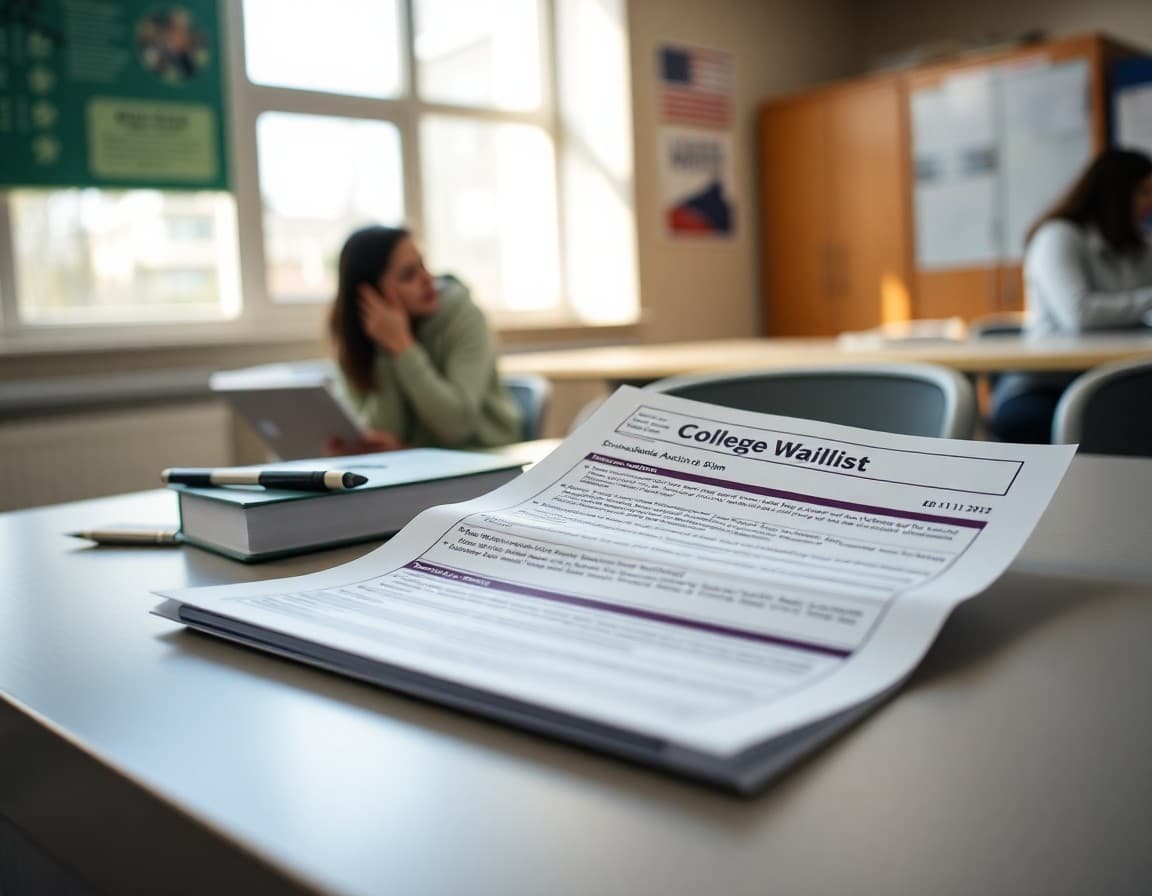
Being waitlisted is genuinely confusing for students and families. It is not an acceptance and it is not a rejection. It is a conditional maybe that requires specific actions, realistic expectations, and a plan for moving forward regardless of the outcome. A well-crafted newsletter gives families everything they need to handle the waitlist intelligently without either giving up prematurely or investing too much emotional energy in an uncertain outcome.
Explain What Waitlisting Actually Means
Start with clarity. A waitlist placement means the school found the student qualified for admission but does not have a guaranteed spot due to enrollment capacity constraints. The student is placed in a pool from which the school draws if enrolled students withdraw or if more spots become available than the initial class fills. Being waitlisted is not equivalent to being admitted with conditions, and it is not a soft rejection. It is a genuine hold position, but one with low probability of converting to admission at most highly selective schools.
Communicate the Required First Steps Immediately
The most time-sensitive actions in the waitlist process need to appear at the top of the newsletter. First, deposit at an enrollment school by May 1 regardless of any waitlists. Families who wait on a waitlist response without depositing elsewhere risk having no confirmed college placement if the waitlist does not move. Second, submit the school's waitlist confirmation form immediately if one is provided. Third, write and submit a letter of continued interest within one to two weeks.
These three steps take priority over everything else, and the newsletter should communicate this urgency clearly without creating panic.
Describe What a Strong Letter of Continued Interest Looks Like
The letter of continued interest is one of the few actions a student can take to genuinely improve their waitlist position. The newsletter should describe what makes a letter effective: it is concise (one page), professional in tone, specific about why the school remains the top choice, and includes any meaningful new developments since the original application. New developments worth mentioning might include a strong spring semester grade report, a significant award, a meaningful new experience, or a new extracurricular achievement.
What should not be in the letter: information already in the original application, emotional appeals about how much the school means to the student, grade reports that are not meaningfully different from what was already submitted, or anything that sounds like pleading rather than professional communication.
Set Realistic Expectations
The newsletter should be honest about waitlist odds without being discouraging. Look up recent years' waitlist statistics for the schools where your students are waitlisted and include that information. "School X placed approximately 800 students on its waitlist last year and ultimately admitted 23 of them" is honest information that allows families to make realistic decisions. Students who understand the probability can continue hoping for movement while fully investing in their confirmed enrollment school rather than living in a state of suspended anticipation.
Sample Newsletter Section
Your Waitlist Action Plan
You have been placed on a waitlist at one of your schools. Here is exactly what to do and in what order.
By May 1: Submit an enrollment deposit to your best current acceptance. You need a confirmed plan regardless of waitlist outcomes. Depositing elsewhere does not hurt your waitlist candidacy.
Within 48 hours: Complete the waitlist confirmation form at the waitlist school if they provide one. This confirms your interest and keeps your application active.
Within 2 weeks: Submit a letter of continued interest. See the attached template. The letter should be 3-4 paragraphs, professional, and include only new information not already in your application.
By late June: If you have received a strong final first semester transcript, send it to the school. Contact your school counselor to discuss whether this step makes sense for your specific situation.
Timeline: Most schools notify waitlisted students by July 1. If you have not heard by July 15, the waitlist has likely closed for this cycle.
Help Families Transition Their Focus
One of the most important things a waitlist newsletter can do is help families make a genuine mental shift toward their confirmed enrollment school. Students who spend the entire spring and summer focused on a waitlist school instead of preparing for where they are going often arrive at their freshman year without having done any of the preparation that helps the transition go well. The newsletter should explicitly encourage families to shift their energy toward the school where the student will actually enroll, while acknowledging that it is fine to stay on a waitlist as a low-effort backup option.
Provide Counselor Support During the Wait
Waitlisted students and their families often feel isolated and unsure whether they are handling the situation correctly. The newsletter should include clear information about how families can access counselor support during the waitlist period: office hours, email response time, and whether the counselor can contact the waitlist school directly on the student's behalf. Daystage makes it easy to include this contact information prominently so families know exactly where to turn when questions or anxiety arise during the long wait between April and July.
Get one newsletter idea every week.
Free. For teachers. No spam.
Frequently asked questions
What should students do immediately after being waitlisted?
Students should submit the school's waitlist confirmation form immediately if one is provided, since many schools require an explicit statement of continued interest within a few days. They should also deposit at their current best acceptance by May 1 since the waitlist does not guarantee admission and they need a confirmed option. A letter of continued interest should follow within a week or two. Students should not assume the school knows they are still interested just because they were previously accepted or applied.
How common is it to get off a college waitlist?
Waitlist movement varies enormously by school and year. Highly selective schools typically admit very few waitlisted students in an average year, sometimes fewer than 50 total from a waitlist of thousands. Less selective schools may admit a significant portion of their waitlist depending on how their yield compares to enrollment projections. The newsletter should be honest that waitlist outcomes are unpredictable and that students should treat their confirmed enrollment school as their real plan rather than waiting passively for waitlist movement.
What is a letter of continued interest and how should it be written?
A letter of continued interest is a brief, professional message to the admissions office confirming that the student still wants to attend if admitted. It should be one page or less. It should state clearly that the school remains a top choice, update the admissions office on any new accomplishments since the application was submitted (meaningful new achievements only, not every good grade), and reaffirm the specific reasons the student wants to attend that school. It should not repeat what was already in the application. It should not be emotional or pleading.
How long does the waitlist process typically last?
Most waitlist movement happens between May 1 and July 1, as confirmed enrollment students change their decisions. Some schools continue to pull from their waitlist through the summer when students withdraw after receiving transfer decisions or changing plans. Most schools notify waitlisted students by July 1 whether they will be admitted or if the waitlist has been closed for the year. Students who have not heard by early July are unlikely to be admitted that year.
What newsletter tool works best for waitlist communication?
Daystage is a solid choice for waitlist newsletters because they involve nuanced emotional communication that benefits from a clear, organized format. A newsletter that walks families through the timeline, action steps, and realistic expectations without creating false hope requires careful organization. Daystage's ability to create distinct sections for different types of information makes it possible to address practical steps, emotional realities, and specific action items without the newsletter feeling scattered.

Adi Ackerman
Author
Adi Ackerman is a former classroom teacher and curriculum writer with 8 years in K-8 schools. She writes about school communication, parent engagement, and what actually works in real classrooms.
More for College Prep
College Acceptance Newsletter: What to Send When Decision Letters Arrive
College Prep · 5 min read
College Application Newsletter: How to Guide Seniors Through the Process Without Missing a Deadline
College Prep · 6 min read
Early Decision Results Newsletter: Celebrating and Supporting Seniors
College Prep · 6 min read
Ready to send your first newsletter?
3 newsletters free. No credit card. First one ready in under 5 minutes.
Get started free