

College Visit Day Newsletter: Before and After Communication
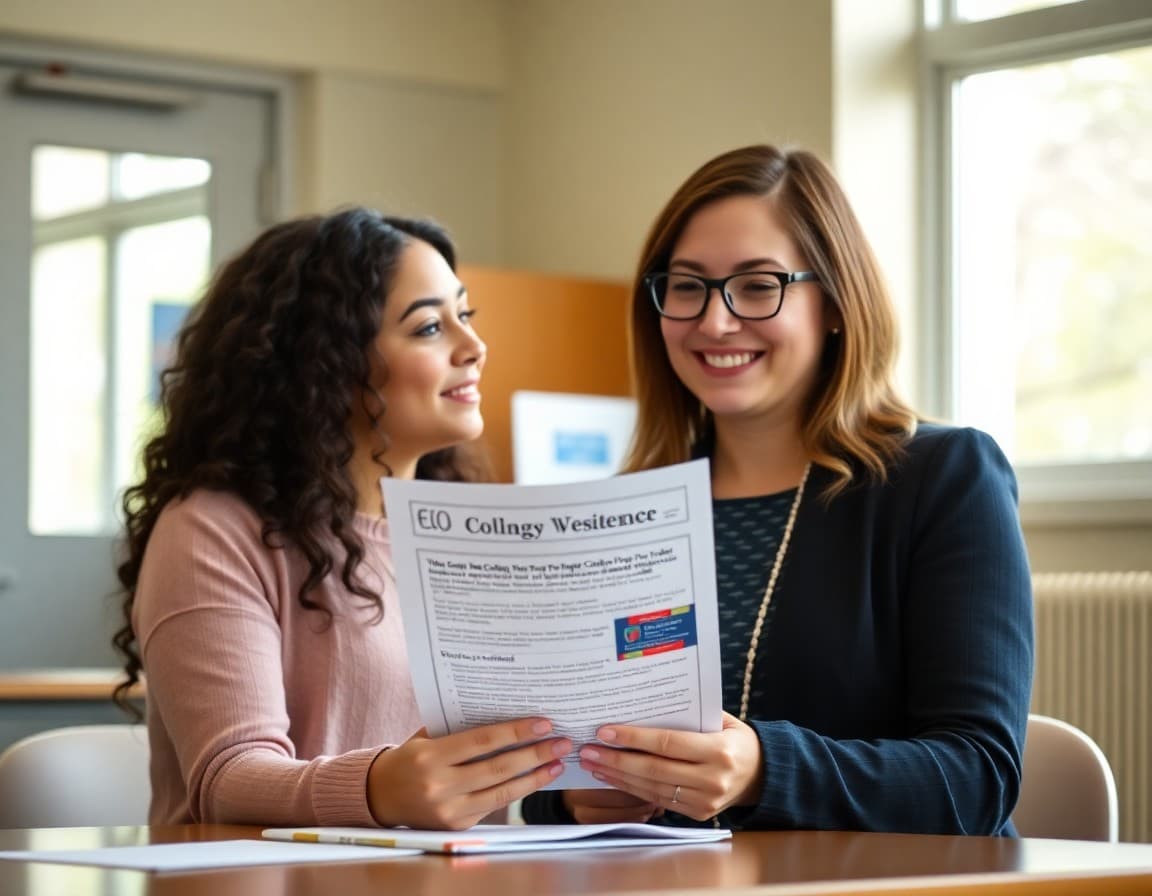
A college campus visit can be one of the most clarifying experiences in the application process, or one of the most forgettable, depending on how well prepared the student and family are before they arrive. A newsletter that helps families get the most from their visits turns an expensive day trip into a genuine information-gathering event that improves college list decisions.
Send the Pre-Visit Newsletter Three Weeks Ahead
Three weeks gives families enough time to register through the admissions office (required at many schools), research the campus, and prepare questions before the visit. A pre-visit newsletter that arrives the day before is too late to be useful. Three weeks out is also when students can arrange an overnight stay in a residence hall if interested, which admissions offices typically offer in the spring for prospective students.
Help Students Prepare Meaningful Questions
Students who go on tours without prepared questions get the standard admissions pitch and nothing else. The newsletter should include a list of 15 to 20 questions students can select from based on their specific priorities. Include practical questions like "what do students do on weekends here" and "what does a typical freshman schedule look like," and more substantive questions like "how accessible are professors outside of class for undergraduates" and "what research opportunities exist for first and second year students." Good questions produce honest answers that reveal things the brochure does not.
Encourage Off-Tour Exploration
The admissions tour shows students a curated version of campus life. The real campus reveals itself in unscripted moments. Encourage students to leave the tour group at some point and walk through academic buildings independently, visit the library stacks, sit in the student union, or find a dining hall and observe the social dynamics. The body language and energy of students in unobserved spaces tells students more about culture than anything a tour guide says.
Bring a Consistent Note-Taking System
Students visiting multiple campuses over several months forget specific impressions quickly. A consistent note-taking system, whether a shared Notes app or a simple template the family uses for every visit, creates a record that is genuinely useful when comparing schools in December of senior year. The newsletter should provide a simple template: school name, visit date, initial gut feeling, three specific things that impressed you, two concerns or questions that came up, and one thing you would change about the campus if you could.
Sample Pre-Visit Checklist
Before Your Visit:
Register for the official tour and information session through the admissions website at least one week in advance. Research the majors available in your intended field and identify the relevant academic building. Prepare 8-10 questions to ask the tour guide and 3-4 questions to ask a current student if the opportunity arises. Download the campus map and plan to explore at least one area the tour does not cover. Check if an overnight stay is available if you are seriously considering the school.
During the Visit:
Take photos of things that impress you and things that concern you. Eat in the dining hall if timing allows. Talk to at least one student who is not a paid ambassador or tour guide. Note your energy level on campus: does it feel like a place where you could focus and thrive? Take notes immediately after the tour while impressions are fresh.
Send a Post-Visit Reflection Prompt
A brief post-visit newsletter, sent within a week of a group visit or periodically in the spring, helps families consolidate their observations before impressions fade. Include the simple five-dimension rating framework mentioned above and a reminder that the goal is not to rank schools but to understand which ones fit different aspects of what the student values. When students have visited six schools and rated each on the same five dimensions, comparing the lists is far more useful than trying to remember vague impressions from months ago.
Address Virtual Visit Options
Not every family can travel to every school on a student's list. Virtual campus tours have improved significantly and are a reasonable substitute for preliminary impressions of schools further away. The newsletter should include a section on virtual visit best practices: how to access them, what questions to submit through virtual Q&A sessions, and how to find current student perspectives through platforms like College Confidential or direct outreach through a school's admissions contact.
Connect Visit Observations to Application Strategy
The most useful outcome of a campus visit is information that strengthens the application. If a student visits and notices that the school has an exceptional community service culture that aligns with their values, they should incorporate that observation into their supplemental essay. If they meet a professor in their intended field who mentioned a specific program, they can reference that conversation in their essay demonstrating genuine interest. Daystage makes it easy to include these application strategy connections in the newsletter in a way that students actually read and act on before their applications are due.
Get one newsletter idea every week.
Free. For teachers. No spam.
Frequently asked questions
When is the best time to visit college campuses?
Junior year is the ideal time for serious campus visits, when students have enough context to evaluate what they are seeing and enough time to incorporate observations into their college list before applications begin in senior year. The best visits happen when classes are in session, so students can see the real campus culture rather than an empty campus during breaks. Spring of junior year is particularly productive because students are close to submitting applications the following fall.
What should students look for on a college campus visit?
Students should observe social dynamics between students, the condition and vibe of academic buildings and common spaces, how faculty interact with undergraduates if visible, dining hall quality and options, dorm and residential life, and how existing students respond to questions. The admissions tour gives a curated view, so students who want an honest picture should walk off the beaten path, visit the student center, and eat a meal in the dining hall independently.
How do I help families prepare for a college visit through a newsletter?
Include a preparation checklist: register in advance through the admissions office, prepare five to ten questions to ask the tour guide, plan time to visit the academic department of interest, bring a notebook or use a notes app to record impressions, and try to talk to at least two current students independently. A brief framework for evaluating 'fit' helps students and parents go beyond 'it felt right' to more specific observations they can compare across schools.
How do I help families reflect on visits in a post-visit newsletter?
Provide a simple reflection framework: ask students to rate the visit on five dimensions immediately after returning, before impressions fade. Dimensions might include academic resources in their intended major, social environment and student culture, campus physical environment, housing and food quality, and overall gut feeling. Rating each dimension while specific memories are fresh produces more useful comparisons than trying to remember the visit two months later.
What newsletter tool works best for college visit communication?
Daystage works well for college visit newsletters because you can include campus photos, link to virtual tour resources, and embed visit registration links. For a pre-visit newsletter, the ability to include a formatted checklist and question bank is particularly useful. Daystage's open rate tracking also helps counselors identify which families have read the pre-visit preparation material, since unprepared visits produce much less useful information for the college decision process.

Adi Ackerman
Author
Adi Ackerman is a former classroom teacher and curriculum writer with 8 years in K-8 schools. She writes about school communication, parent engagement, and what actually works in real classrooms.
More for College Prep
Ready to send your first newsletter?
3 newsletters free. No credit card. First one ready in under 5 minutes.
Get started free