
Third Grade Spelling Words Newsletter: Advanced Patterns and Real Vocabulary

Third grade spelling shifts from phonics to morphology: instead of just learning how to sound words out, students start learning how word parts carry meaning. That shift changes how effective practice looks, and your newsletter helps families make the adjustment.
From Phonics to Word Parts
Explain the shift to families: "In earlier grades, we focused on letter-sound patterns. In third grade, we also look at meaningful word parts: prefixes (un-, re-, pre-) that change meaning, suffixes (-ful, -less, -ness) that change a word's function, and root words that carry core meaning. When your child understands that 'unhappy' means 'not happy' because 'un-' means 'not,' they can decode hundreds of new words."
This Week's Pattern and List
Include the pattern name and word list in the newsletter. For example: "This week we are studying words with the prefix 're-' meaning 'again': redo, replay, rewrite, reuse, rebuild, refill, restart, return, rebuild, reform."
Naming the pattern transforms the list from 10 unrelated words to 10 examples of one principle. That makes practice much more efficient.
Word Sorting: The Core Practice Activity
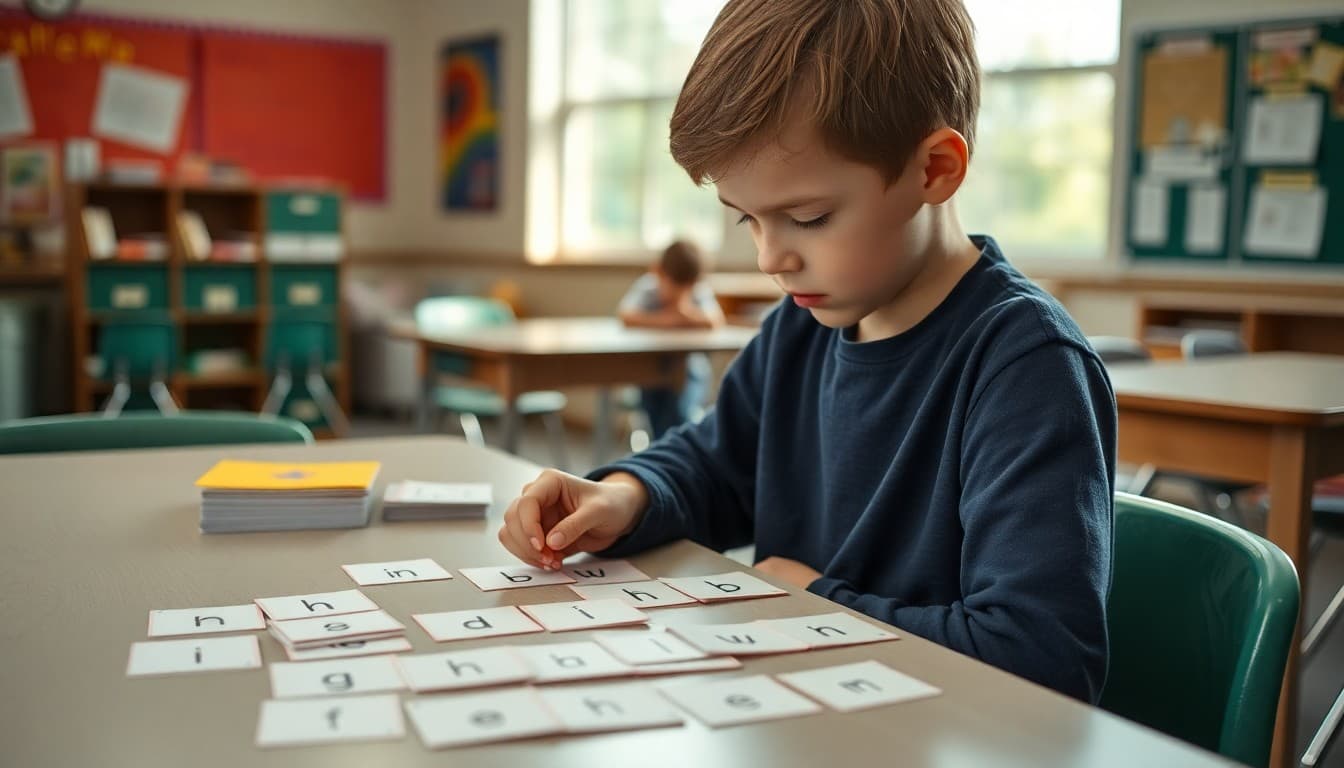
Word sorting is the most research-supported third grade spelling practice. Students write each word on a card, then sort by pattern feature. "Sort these words into two groups: words with the prefix 're-' and words without it. Then sort the 're-' words by what the base word means."
Sorting forces students to attend to pattern rather than just memorizing individual words. It transfers better to reading than repetitive writing does.
Three Other Effective Activities
Meaning connections: For each spelling word, write one other word with the same prefix, suffix, or root. "Rewrite - also: rebuild, refill, restart."
Context sentences: Write a sentence using two spelling words from the same pattern group. This forces using the words correctly in context.
Tricky word hunt: Find three words in a book you are reading that use the same pattern as this week's words. This connects spelling practice to real reading.
What the Test Looks Like
Describe your assessment format. For word study programs, some teachers test the words, others test the pattern by asking students to apply it to unfamiliar words. Tell families which approach you use so they can practice appropriately. A student who practices only the list words is underprepared for a transfer test.
Vocabulary as an Extension
Many spelling words at third grade are also vocabulary words. Encourage families to discuss meaning, not just spelling. "What does 'reform' mean? Can you use it in a sentence about something in real life?" This brief extension takes 2 extra minutes and significantly deepens word knowledge.
Get one newsletter idea every week.
Free. For teachers. No spam.
Frequently asked questions
What spelling and word study concepts do third graders cover?
Third grade word study typically includes: long vowel patterns with vowel teams (oo, ou, ow, oi, oy), multisyllabic words, prefixes and suffixes (-ful, -less, -ness, re-, un-, pre-), homophones, compound words, and high-frequency words that do not follow phonics patterns. The shift from phonics-based spelling to morphology-based spelling (meaning of word parts) is a significant third grade development.
How should third graders study spelling words differently than younger students?
Third graders can use more sophisticated strategies: analyzing the word's structure (prefix + root + suffix), connecting the word's spelling to its meaning, using the word in writing, and generating other words with the same pattern. Pure memorization becomes less effective as words get longer and more complex. Word study approaches that focus on pattern, meaning, and usage produce stronger long-term retention.
What is the difference between spelling and word study in third grade?
Traditional spelling focuses on memorizing a list for a Friday test. Word study is broader: students analyze how words work, sort them by pattern, study their meanings and origins, and connect them to other words. Many third grade programs use a word study approach because it builds transferable knowledge rather than test performance that fades by Monday.
How many spelling words should third graders have per week?
Twelve to twenty words per week is typical, with differentiated lists for students at different readiness levels. Students receiving word study instruction usually sort their words by pattern rather than just writing them repeatedly. The key is that students understand the pattern behind the words, not just that they can write a specific list on demand.
Does Daystage make it easy to share weekly spelling lists and word study activities with families?
Yes. Including the weekly word list and the phonics pattern in your Monday Daystage newsletter takes 3 minutes to update and gives families immediate access. Teachers who include a weekly 'pattern of the week' explanation alongside the word list report that families practice more effectively and ask fewer questions about why certain words are on the list.

Adi Ackerman
Author
Adi Ackerman is a former classroom teacher and curriculum writer with 8 years in K-8 schools. She writes about school communication, parent engagement, and what actually works in real classrooms.
More for Classroom Teachers
Third Grade Reading Level Newsletter: How to Communicate Reading Levels to Third Grade Families
Classroom Teachers · 7 min read
Reading Updates in Classroom Newsletters: What Parents Want to Know
Classroom Teachers · 5 min read
Second Grade Spelling Words Newsletter: Connect Spelling to Reading Patterns
Classroom Teachers · 6 min read
Ready to send your first newsletter?
3 newsletters free. No credit card. First one ready in under 5 minutes.
Get started free