

Teacher Newsletter When a Student Is Moving Away Mid-Year
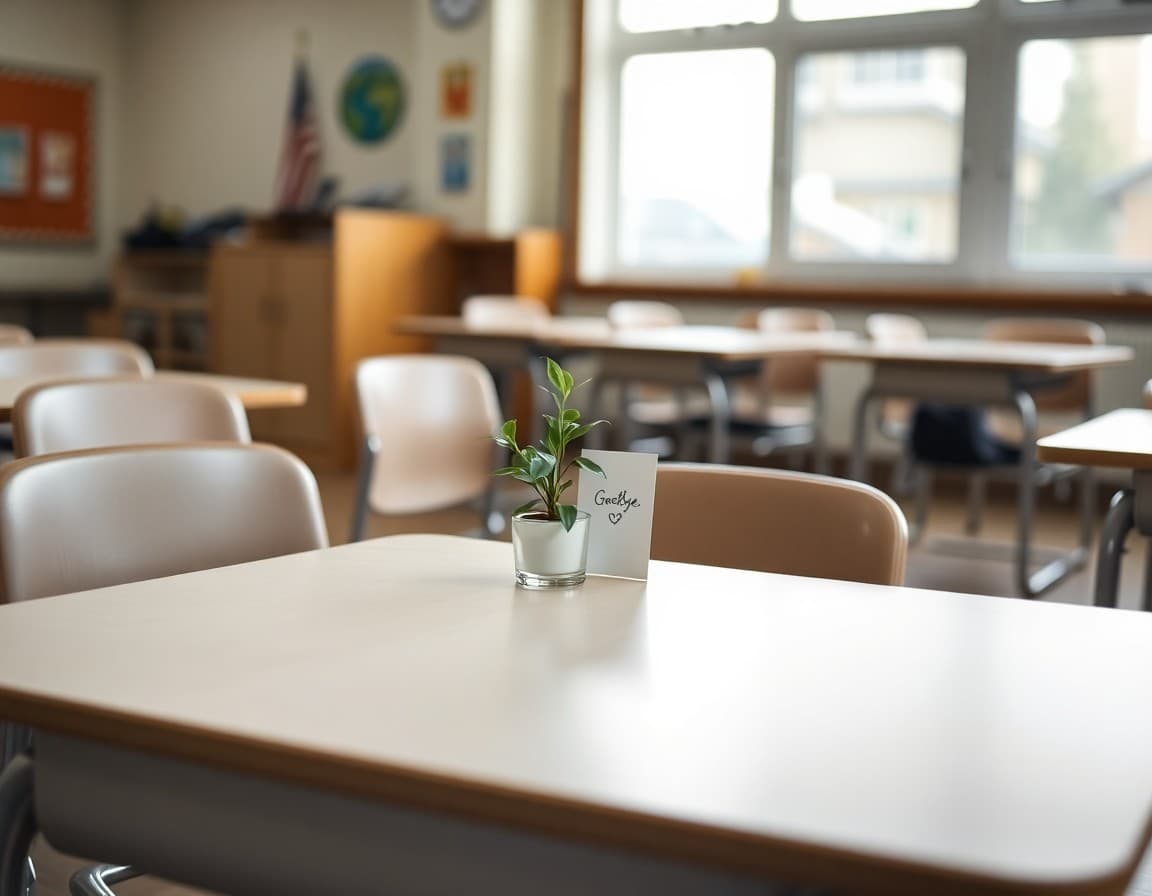
When a student leaves mid-year, the classroom feels it. The remaining students notice the empty desk, the missing voice in circle time, the gap in their lunch group. A newsletter that addresses this transition thoughtfully serves two families at once: the one that is leaving and the ones staying behind.
Get Permission Before Announcing
Before you mention a student's departure in any newsletter, confirm with their family what they are comfortable sharing. Some families prefer a quiet goodbye. Others are glad to have the class know and participate in a farewell. Your newsletter approach should follow their lead. If you have not had that conversation yet, a brief email to the family before drafting anything is the right first move.
Acknowledge the Transition Without Dramatizing It
A factual, warm note is what the class needs. Something like: "We wanted to let you know that [first name] will be joining a new school at the end of this week. We have loved having them in our classroom this year and will be sending them off with a class card and some good wishes." That is enough. You do not need to describe the move, speculate on the reasons, or make the moment heavier than it needs to be.
Prepare Parents for What Their Child Might Say
Kids process transitions in their own ways. Some will be matter-of-fact. Some will be sad. Some will ask a lot of questions. Your newsletter can give parents a heads-up that their child may mention the departure at home and suggest a few conversation starters: Did you know someone was moving? How did that feel? What do you think their new school will be like? Giving parents language helps the conversation happen naturally.
Describe the In-Class Farewell Activity
If you are organizing a goodbye card, a group photo, or a memory-sharing activity, mention it briefly. Parents appreciate knowing what their child was part of. It also creates a natural point of connection at pickup: "Your teacher said you all made a card today. What did you write?"
Invite Families to Reach Out Privately
Some parents will want to connect the departing family with a phone number or social media contact so children can stay in touch. That is a wonderful instinct, but coordinate it through the departing family rather than sharing contact details without permission. Your newsletter can simply note that if families would like to stay in touch, they are welcome to reach out directly.
Keep the Rest of the Newsletter Normal
A student departure is significant but not the only thing happening in your classroom. After the acknowledgment section, continue with your regular newsletter content. Upcoming assignments, curriculum news, event reminders. This signals to families and students alike that the class continues, that the work continues, and that the community is intact even as it changes.
Follow Up with the Departing Family
A separate, brief personal message to the family after their last day costs you five minutes and leaves a lasting impression. Thank them for their child's contribution to your classroom. Wish the student well in the next chapter. Families remember that kind of follow-through. Using Daystage, you can send that personal note quickly alongside your regular class communications without juggling multiple tools.
Get one newsletter idea every week.
Free. For teachers. No spam.
Frequently asked questions
Should I announce a student moving away in the class newsletter?
Yes, but with the departing family's permission and in a way that respects privacy. You do not need to share reasons for the move. A simple, warm acknowledgment that a classmate is moving on and that the class will miss them gives remaining students language for what they are feeling and shows the departing family they were valued.
How do I help remaining students process the loss of a classmate?
The newsletter can prompt families to have a conversation at home about transitions and friendships. Let parents know the class will be acknowledging the move together and that it is normal for students to feel a mix of sadness and curiosity. Giving parents that context helps them follow up at home.
What activities can I mention in the newsletter to support the transition?
You might mention a class goodbye card, a memory book, a group photo, or a small in-class farewell activity. Mentioning these in the newsletter helps families explain to their child what is happening and lets them prepare emotionally at home before the last day.
Should I share the departing student's new school information?
Only if the family has explicitly asked you to share it or given clear permission. Many families prefer to manage their own forwarding address and connections. Focus your newsletter on the classroom experience rather than the destination.
What tool helps teachers send newsletters efficiently?
Daystage makes it easy to send a thoughtful newsletter to your class list quickly. For a student departure, you can write a warm, brief message and get it out the same day the news is confirmed, which is usually when families most need communication from you.

Adi Ackerman
Author
Adi Ackerman is a former classroom teacher and curriculum writer with 8 years in K-8 schools. She writes about school communication, parent engagement, and what actually works in real classrooms.
More for Classroom Teachers
Ready to send your first newsletter?
3 newsletters free. No credit card. First one ready in under 5 minutes.
Get started free