

How to Write a Standardized Test Results Newsletter to Parents
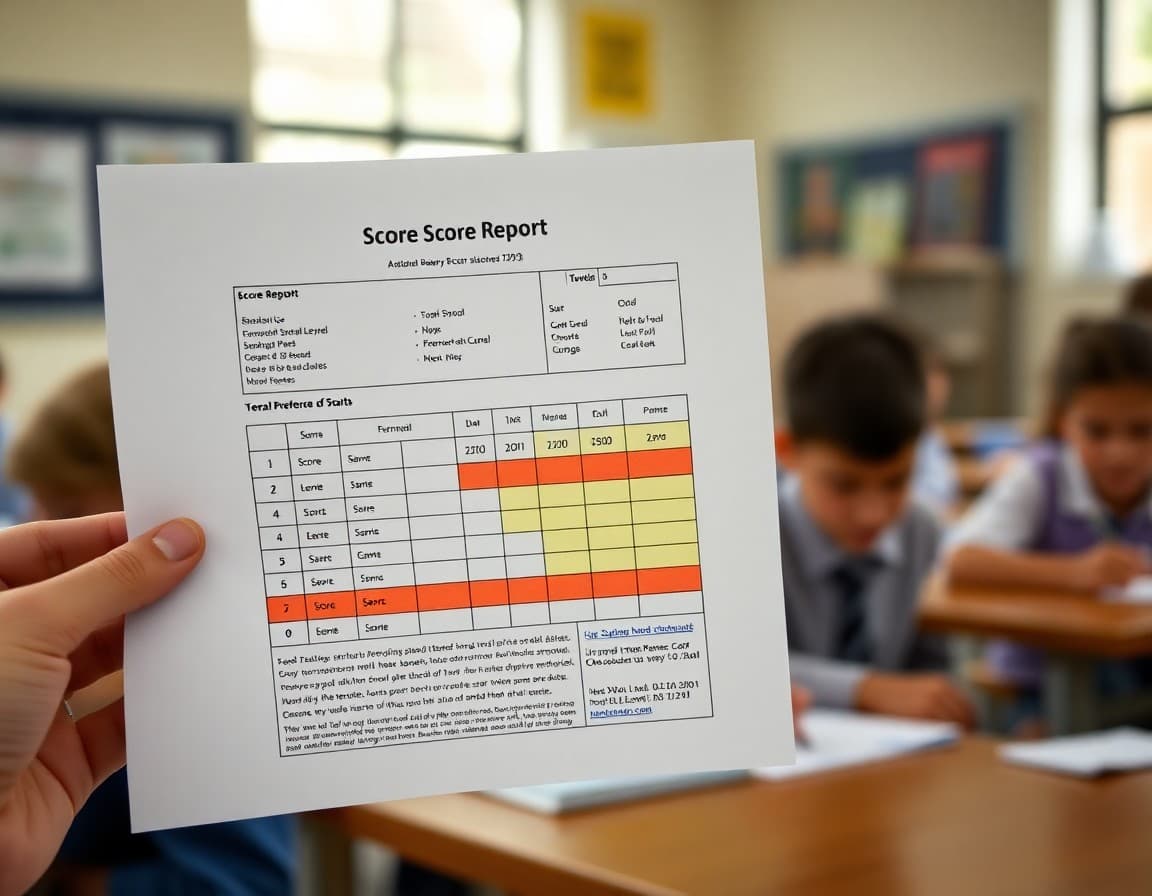
Test scores arrive in the mail and families immediately start comparing their student to some imaginary benchmark they may not fully understand. Your newsletter is the most effective tool you have to get ahead of that reaction. A clear, calm communication that explains what the scores mean, how to interpret the report, and what comes next prevents a wave of alarmed parent emails and turns a confusing document into a useful one.
Start with what the test measured
Before you discuss results, remind families what the test was measuring. "The [test name] assesses how well students have met state standards in [reading/math/science] at the [grade level] level. It is designed to measure proficiency against a statewide benchmark, not to evaluate classroom performance specifically." This framing helps families put the score in context before they interpret it.
Explain how to read the score report
Score reports are notoriously confusing. Walk families through the structure. Where to find the overall score. What the performance level categories are. What the sub-scores indicate. If the report uses terms like "scale score," "performance band," or "Lexile level," define them plainly. Families who understand the document are less likely to misread it and less likely to call the school in a panic.
Describe what the levels mean in plain terms
Each proficiency level on a state assessment has a plain-language description. Share it. "Level 3 means your student is meeting grade-level expectations. Level 2 means they are approaching but not yet consistently at grade level. Level 1 means there are significant gaps that we want to address." Accurate descriptions, simply stated, are more useful than vague reassurances.
Share class-level strengths honestly
Without sharing individual scores, you can offer some context about how the class performed overall. "As a class, we showed strength in reading comprehension and narrative writing. We have more work to do in informational text analysis." This tells families something real about what their student's peer group looks like and gives context to individual results.
Explain what happens next
Families who do not know what the school does with test results often feel like they are sitting with a document and no instructions. Tell them your next steps. Whether you use results to inform instructional groupings, identify students for additional support, or plan the next unit differently. Knowing that the information is being acted on is reassuring.
Invite families who want more detail to connect
Not every parent needs a conference. But some do. Make the offer clearly. "If you would like to discuss what your student's results mean for their learning this year, I am happy to set up a time to talk. Please reach out and I will find a time that works." Parents who are worried and do not know how to ask will use this opening.
Contextualize one test alongside everything else you know
Close with a paragraph that reminds families that a standardized test is one measure of one set of skills on one day. "These results tell us something useful about your student's performance on these specific standards. They do not tell the whole story of what your student is capable of, how they think, or what they are becoming as a learner. I see that full picture every day, and I am glad to share it."
Daystage lets you embed a link to the official score portal, attach a score interpretation guide, and include a conference sign-up form all in the same newsletter. Families get everything they need in one place.
Get one newsletter idea every week.
Free. For teachers. No spam.
Frequently asked questions
What should I include in a standardized test results newsletter?
An explanation of what the scores mean, how to read the score report, what the proficiency levels indicate, what the class did well on overall, and what the next steps are for families who have questions. Do not include individual student scores in a class newsletter.
How do I explain proficiency levels to parents without causing alarm?
Contextualize the levels and avoid framing them as pass/fail. A Level 2 on a state assessment means a student is approaching grade-level proficiency, not that they are failing or in danger. Explain what each level means in terms of where additional support might help.
How should I handle parents whose students scored below expectations?
Do not address individual situations in the newsletter. Invite parents of students in lower proficiency bands to schedule a conversation. 'If you have concerns about your student's results, please reach out and I am happy to discuss what this means and what we are doing to support their growth.'
What if parents overreact to test results?
Acknowledge the concern and offer perspective. One data point from one test on one day does not define a student. Classroom performance, project work, reading growth, and daily effort all matter. Parents who feel heard and contextualized are less likely to panic than parents who feel dismissed.
Can Daystage help me send score result context to families?
Yes. You can use Daystage to send a structured newsletter that explains the scoring system, links to the official score report portal, and includes an RSVP for a follow-up conference if families want one.

Adi Ackerman
Author
Adi Ackerman is a former classroom teacher and curriculum writer with 8 years in K-8 schools. She writes about school communication, parent engagement, and what actually works in real classrooms.
More for Classroom Teachers
Ready to send your first newsletter?
3 newsletters free. No credit card. First one ready in under 5 minutes.
Get started free