
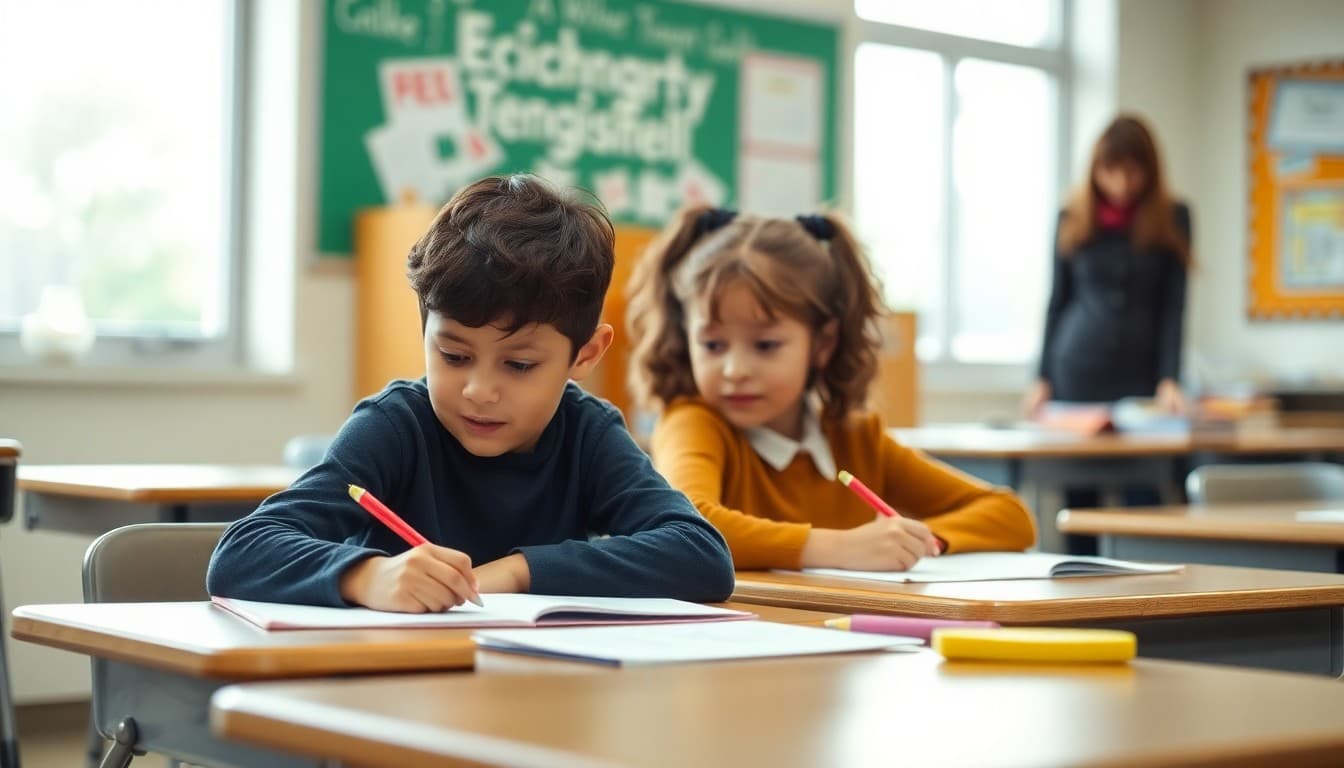
Teacher Newsletter When a Sibling Joins Your Classroom This Year
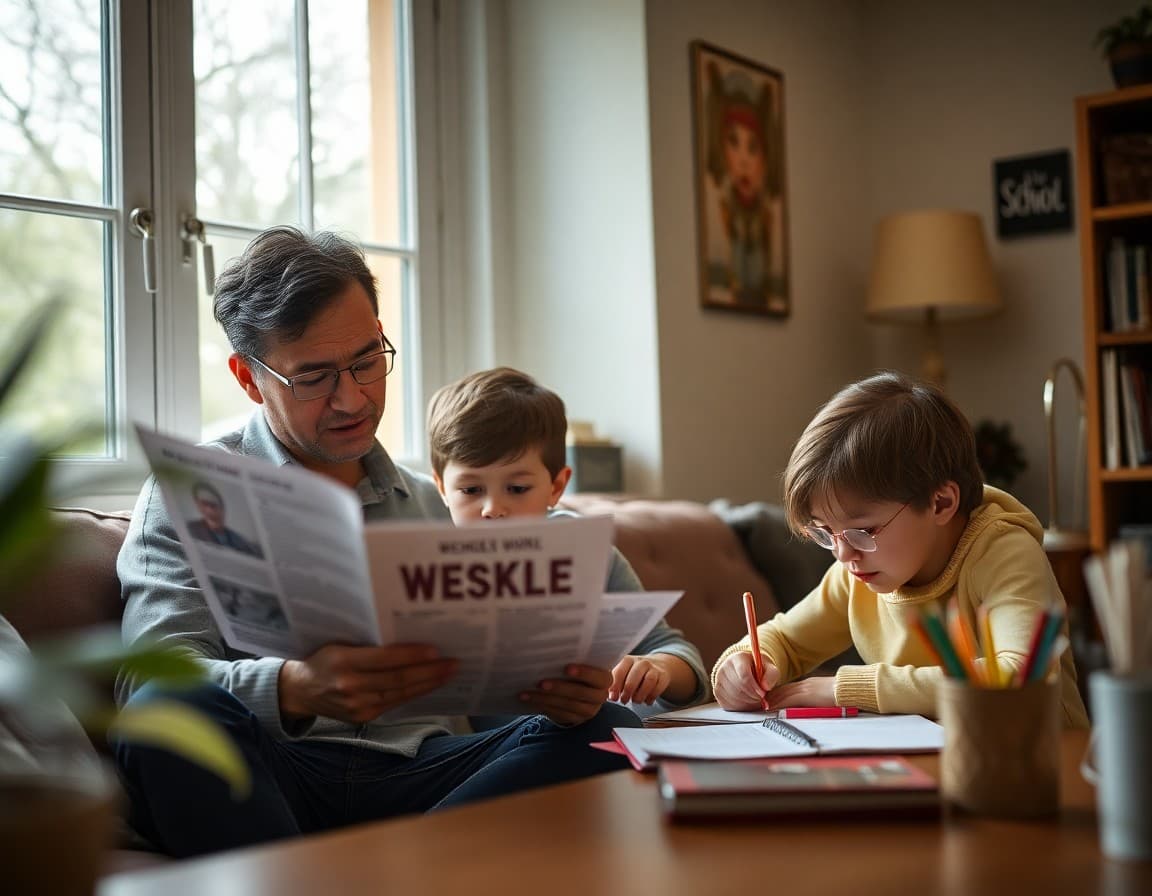
Having two siblings in the same classroom is more common than most people expect. Whether the placement was intentional or the result of school logistics, you now have a family dynamic that deserves thoughtful communication. A newsletter that addresses this directly, warmly, and early in the year prevents misunderstandings and builds trust before any issues arise.
Name the Situation Without Making It a Problem
Your newsletter does not need to treat the sibling placement as a challenge or a special circumstance requiring special management. Simply acknowledge it: I know some families have more than one student in our room this year. I wanted to share how I approach that. Normalizing the situation before framing your response signals confidence and reassures parents that you have navigated this before.
Make Clear You See Each Child Individually
The biggest concern parents have when siblings share a classroom is comparison. Whether they worry the teacher will favor one child or hold one against the other, that fear is real. Address it plainly. You see each student as their own person with their own strengths, challenges, and trajectory. You do not use one sibling's record as a benchmark for the other. Saying this out loud in the newsletter removes the unspoken anxiety before it has a chance to grow.
Set Your Communication Approach Early
Explain how you will communicate about each child. If you send weekly updates, clarify whether each child's progress will be shared separately or together. Most families prefer separate notes so each child's experience feels distinct. Setting that expectation in the newsletter prevents confusion later about whether a message applies to one child or both.
Address the Classroom Dynamic Honestly
If siblings have a history of distracting each other, parents already know it. You do not need to predict problems, but you can mention that you pay attention to classroom dynamics and adjust seating and groupings to support focus. That shows parents you are thoughtful about the environment without signaling that you expect conflict.
Invite Private Conversations for Specific Concerns
Some parents will have concerns specific to their children that do not belong in a class-wide newsletter. Offer a conference or a direct email as the right channel for those conversations. Saying I am happy to talk through anything specific in person or by email covers this without encouraging a public thread in reply-all.
Keep It Proportionate to the Situation
The sibling placement does not need to be the entire newsletter. A paragraph or two within your welcome-to-the-year communication is usually enough. If you send a standalone message about it, keep it short and warm. The goal is reassurance, not an extended policy document. Daystage makes this kind of targeted, professional message easy to put together in a few minutes so you can send it before the first week of school ends.
Follow Up If the Situation Evolves
If something comes up mid-year that affects both siblings, communicate with the family directly and promptly. The trust you build in your early newsletter becomes the foundation for those harder conversations later. Families who feel informed from the beginning respond better when something does need attention.
Get one newsletter idea every week.
Free. For teachers. No spam.
Frequently asked questions
Should I address the sibling situation directly in the newsletter?
Yes. Families already know, and staying silent can create uncertainty. A short, warm acknowledgment that you are aware of the dynamic and have thought about how to support both children goes a long way. You do not need to over-explain or commit to specific policies in the first message.
How do I reassure parents without making promises I cannot keep?
Stick to what you know to be true: you treat every student as an individual, you do not compare siblings, and you will communicate with the family if anything needs attention. Avoid broad statements like I will make sure there are never any issues between them. Honesty builds more trust than overcommitment.
What if the parents have concerns about sibling rivalry affecting the classroom?
Invite them to share those concerns privately, not in a group reply. In the newsletter, acknowledge that some families have specific questions and offer a conference time or a direct email as the right channel. Group newsletters are not the place to work through individual family dynamics.
Is it appropriate to mention classroom seating in the newsletter?
Only if it is relevant. If you have intentionally seated siblings apart to reduce distraction and want parents to understand that choice, a brief mention is fine. Otherwise, seating logistics do not need to be in the newsletter and can wait for a direct conversation if parents ask.
What tool helps teachers send newsletters efficiently?
Daystage lets you write and send personalized newsletters quickly. For a situation involving a sibling placement, you can draft the message once and send it to the full class list, or create a separate version for the affected family with added context. Everything goes out in one tool.

Adi Ackerman
Author
Adi Ackerman is a former classroom teacher and curriculum writer with 8 years in K-8 schools. She writes about school communication, parent engagement, and what actually works in real classrooms.
More for Classroom Teachers
Ready to send your first newsletter?
3 newsletters free. No credit card. First one ready in under 5 minutes.
Get started free