
September Teacher Newsletter: What to Include in Your Monthly Update
Your September newsletter is the most important one you will send all year. It establishes your communication style, sets expectations, and gives families the information they need to support their child during the transition back to school. Get this one right and every newsletter after it builds on a strong foundation.
Introduce Yourself and Your Approach
Open with a brief, human introduction. Your teaching philosophy in two sentences. Something genuine about what you enjoy most about the grade level you teach. One thing you are specifically excited about this year. Families do not need a formal bio. They need a sense of who you are and whether they can trust you with their child. Two paragraphs done right accomplish more than a formal letter.
Explain Classroom Routines Clearly
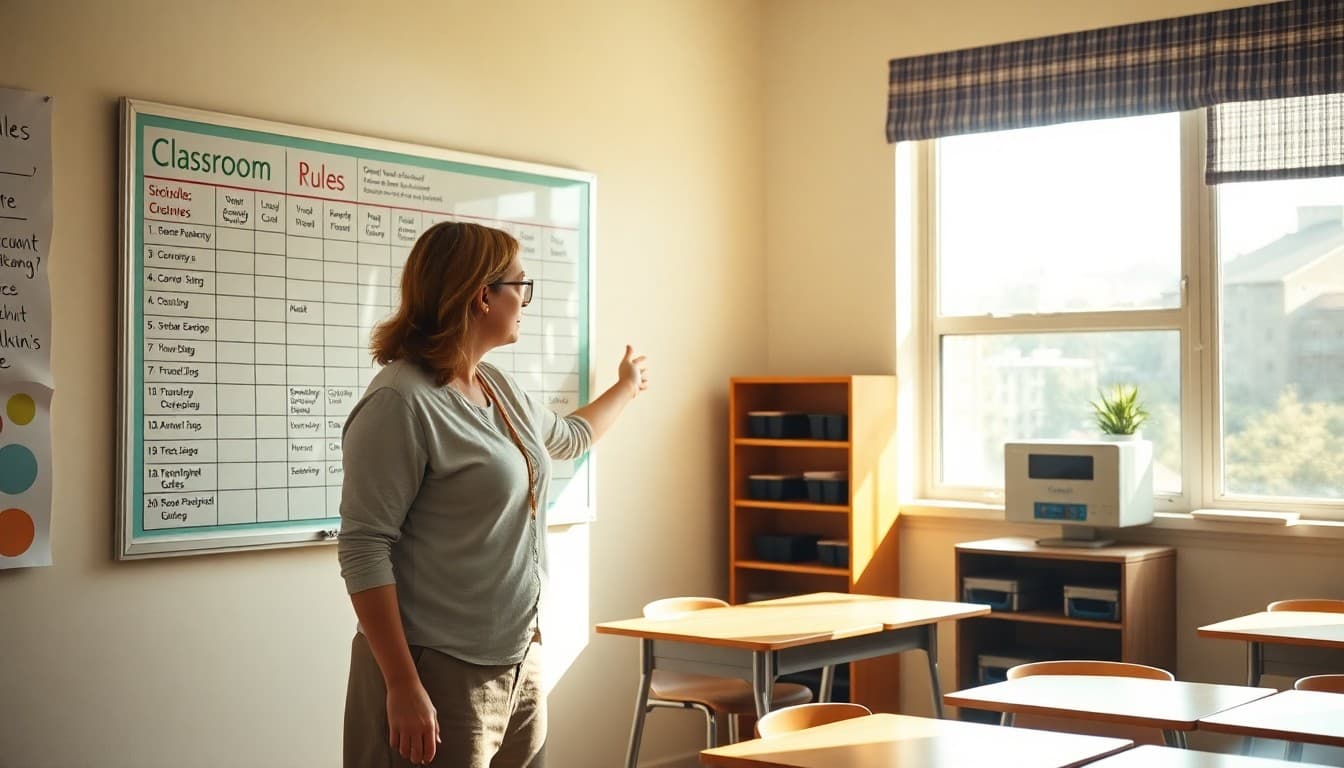
Cover the routines families need to know. What time does school start and what does the morning routine look like? What is the homework schedule and when is it due? What does your late work policy look like? How should students prepare for transitions between subjects? These are the questions families will ask individually if you do not answer them collectively in September.
Preview the First-Quarter Curriculum
Give families an overview of what students will be studying in each subject area. Not a week-by-week breakdown, but enough to orient parents: "In reading, we are beginning with a narrative unit focused on character development. In math, we start with place value and operations before moving to word problems." That level of detail is useful without being overwhelming.
Set Your Communication Expectations
Tell families how you prefer to communicate and how quickly they can expect a response. Email, phone, the classroom messaging platform you use. Tell them you check messages in the evening and respond within 24 hours. Tell them your preferred time for calls if they have a complex concern. Setting these expectations in September prevents frustration when a parent sends a message and does not hear back immediately.
List Any Supply Needs
If students need specific materials, list them clearly. Pencils, folders, a specific type of notebook, headphones for computer work. If there are items the classroom is short on and donations would be welcome, say so. Families who know what is needed will often provide it. Families who do not know assume everything is covered.
Give Families Transition Tips
September is hard for many students. New routines, new expectations, re-adjustment after a summer of different sleep and activity patterns. Give families three specific tips for supporting the transition: a consistent bedtime starting this week, a morning routine that does not require rushing, and a habit of asking one specific question about the school day rather than "how was school?" which always gets "fine."
Share Key Dates Through October
End the newsletter with a calendar section that includes every significant date between now and the end of October. Back-to-school night if applicable. Early dismissal days. Picture day. First major project deadlines. The end of the first quarter and report card distribution. Families who have the dates in front of them plan for them. Families who do not know the dates are constantly caught off guard.
Get one newsletter idea every week.
Free. For teachers. No spam.
Frequently asked questions
What should go in a September teacher newsletter?
Include an introduction to your classroom routines, a curriculum overview for the first quarter, supply needs, how you prefer to communicate, key dates in September and October, and specific ways families can support their child during the adjustment to school routines.
How detailed should a September classroom newsletter be?
September newsletters can be longer than most because families need foundational information. Cover the essentials thoroughly rather than being brief for the sake of it. A longer September newsletter prevents five separate short emails through October from families who needed this information at the start.
What classroom rules and routines should I explain in a September newsletter?
Homework expectations and schedule, how you communicate with families and how quickly you respond, your late work policy, what students need to bring daily, the dismissal routine, and how to reach you with a concern. These logistics prevent confusion and set clear expectations for the year.
How do I introduce myself to families effectively in a September newsletter?
Share your teaching approach and classroom philosophy in two or three sentences, your background briefly, and one thing you are genuinely excited about doing with students this year. Keep it human, not a formal biography. Families who feel like they know you are more likely to communicate openly throughout the year.
Is Daystage a good platform for sending a September back-to-school newsletter?
Yes. Daystage is designed for teachers who want to send polished, readable newsletters to families. The formatting tools make it easy to organize a September newsletter with sections for routines, curriculum, and key dates. You can also track opens so you know which families need a follow-up call.

Adi Ackerman
Author
Adi Ackerman is a former classroom teacher and curriculum writer with 8 years in K-8 schools. She writes about school communication, parent engagement, and what actually works in real classrooms.
More for Classroom Teachers
Ready to send your first newsletter?
3 newsletters free. No credit card. First one ready in under 5 minutes.
Get started free