

Teacher Newsletter for Room Parent: How to Recruit and Support Your Classroom Liaison
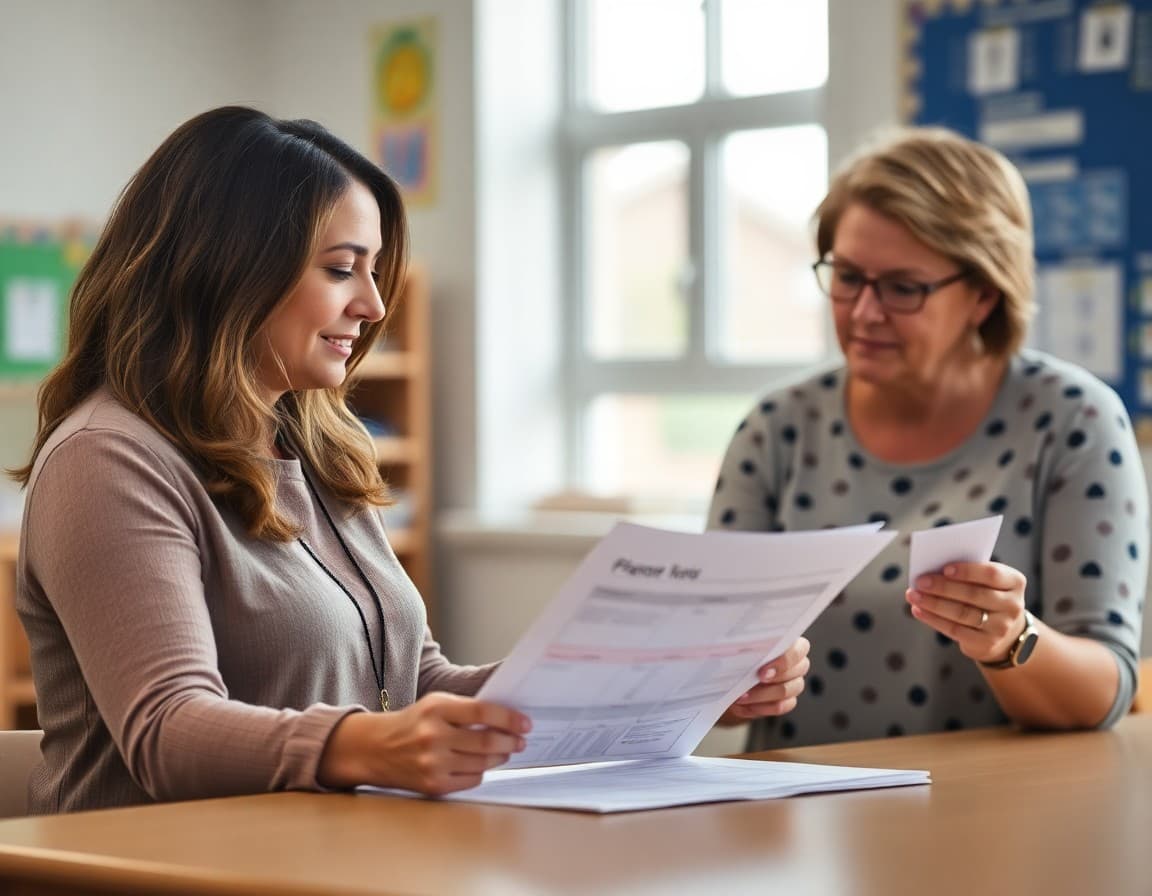
A good room parent makes a teacher's life noticeably easier. A mismatched one creates friction that takes energy to manage. The newsletter you send to recruit and brief your room parent sets the foundation for the entire relationship. Getting that communication right from the start is worth the time it takes.
Describe the Role Before the Ask
Before you ask families to volunteer, tell them exactly what the room parent does. This prevents the common scenario where a well-meaning parent signs up expecting to help with crafts and discovers they are managing a 20-person event volunteer list. The role description should be honest and specific: primary contact between teacher and parent community, organizer of classroom events, coordinator of volunteer sign-ups.
Name the Time Commitment Honestly
Vague "minimal time required" language in a recruitment newsletter creates resentment when the actual commitment turns out to be substantial. Be direct: expect three to five hours of coordination per classroom event, a few emails or messages per month, and attendance at the major events you help organize. Families who can make that commitment show up reliably. Families who could not are better off self-selecting out at the application stage.
Explain Your Working Style
How will you communicate with the room parent? Email, phone, or through a classroom platform? How much lead time do you typically give for events? Do you prefer to have input in planning or do you delegate almost fully? Room parents who know your style from the first newsletter are better partners than those who have to discover your preferences through trial and error.
Set Clear Boundaries Around the Role
A room parent coordinates logistics. They do not make decisions about academic accommodations, classroom behavior, or which students attend which activities. Your newsletter can state this briefly and without drama: the room parent role is communication and coordination, not classroom management. This protects students and prevents the room parent from being put in an impossible position.
Explain the Selection Process
If you receive multiple volunteers, describe how you will choose. Some teachers select by lottery, others by conversation, others by first response. Whatever your process, transparency prevents feelings of favoritism and helps families who are not selected feel respected rather than dismissed.
Build the Relationship Through the Year
A room parent who receives regular, clear communication from you is more effective and more satisfied. Using Daystage, you can keep your room parent looped in on classroom events, upcoming needs, and parent communication without requiring a separate tool for that relationship. The more aligned your communication, the smoother every classroom event runs.
Get one newsletter idea every week.
Free. For teachers. No spam.
Frequently asked questions
What should a room parent recruitment newsletter include?
Describe the role, the time commitment, the specific responsibilities, how you will work together, and how interested families can apply or volunteer. Clear role definition prevents mismatched expectations and attracts families who are genuinely suited to the job.
What are the primary responsibilities of a room parent?
Coordinating classroom celebrations and events, organizing volunteer sign-ups, communicating teacher requests to the parent community, and sometimes managing a small classroom funds account. The room parent is a bridge between the teacher and the broader parent community, not a co-teacher or decision-maker for the classroom.
How much time should the room parent commit?
Honest time estimates in the newsletter save everyone frustration later. A typical room parent role involves two to four hours of coordination per major event, a handful of emails or texts per month, and attendance at classroom events. Naming those estimates allows families to self-select accurately.
How do I work with a room parent who oversteps their role?
Prevention starts in the newsletter. A clear description of what the room parent does and does not do, for example does not make academic or behavioral decisions about students, prevents most issues. If an issue arises later, a private conversation is the right channel rather than an all-class newsletter.
What tool helps teachers send newsletters efficiently?
Daystage makes room parent communication easy. The room parent can use the same platform you use to coordinate volunteer sign-ups, share event details, and communicate with families. A shared access setup means fewer duplicate messages and more consistent communication.

Adi Ackerman
Author
Adi Ackerman is a former classroom teacher and curriculum writer with 8 years in K-8 schools. She writes about school communication, parent engagement, and what actually works in real classrooms.
More for Classroom Teachers
Ready to send your first newsletter?
3 newsletters free. No credit card. First one ready in under 5 minutes.
Get started free