

Teacher Newsletter for Reading Genres Month: Expand Student Horizons
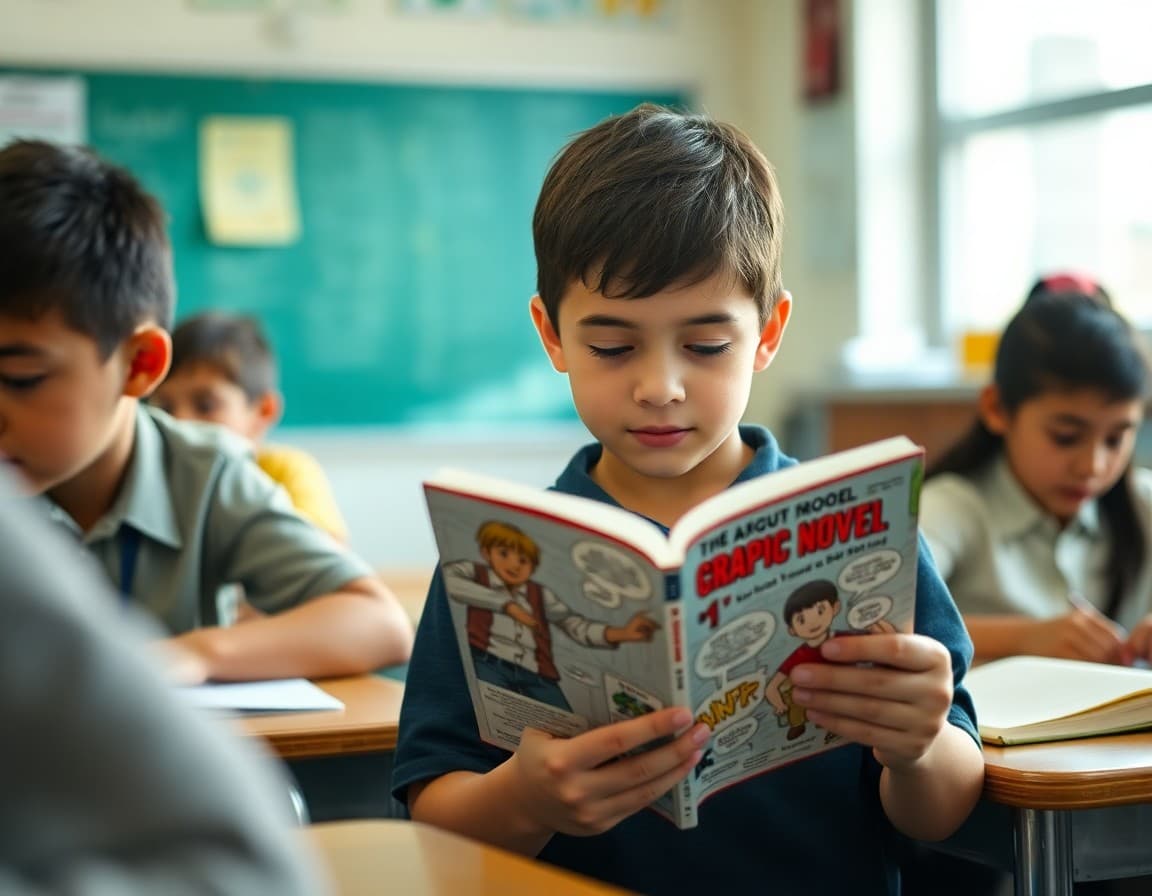
A reading genres unit or month broadens students' reading horizons deliberately. Students who only read one type of book develop a narrow set of reading skills. Exposure to multiple genres builds flexibility, literary awareness, and the ability to approach any text with a strategic mindset. Your newsletter is what brings families into the exploration and gives them specific tools to extend it at home.
Name the Genres Students Will Explore
Open the newsletter with the full list. Realistic fiction, historical fiction, fantasy, science fiction, mystery, informational nonfiction, biography, autobiography, poetry, and graphic novels are common genre units for elementary and middle grades. If your class is tackling all of them over the month, name each one. If you are focusing on a curated subset, explain the selection criteria.
Describe What Makes Each Genre Distinctive
A brief one-sentence genre description gives families the literary vocabulary to use at home. Fantasy is fiction set in an imaginary world with magical elements. Biography tells the true story of a real person's life, written by someone else. Mystery involves a problem or crime that is solved through clues. Families who know the conventions can help their child recognize and discuss them in the books they read at home.
Include Book Recommendations for Each Genre
A reading genres newsletter with specific title recommendations is far more actionable than one without. Suggest one book per genre that is appropriate for your grade level. Families can take this list directly to the library or bookstore. Students who already have a book in hand are more likely to read across genres than students who are told to explore without guidance.
Encourage Genre Discovery at Home
Invite families to support their child in choosing one genre they have never tried before. The library's genre labeling system makes this easy. Ask the librarian for recommendations in the unfamiliar genre. Read the first chapter together and discuss what conventions they notice. Some of the most powerful reading experiences happen in genres students assumed they would not like.
Connect Genre Knowledge to Reading Comprehension
Genre knowledge is a reading comprehension strategy. When students know what to expect from a genre, they read more actively, notice when conventions are present or subverted, and make more sophisticated predictions. Your newsletter can name this connection so families understand that genre study is not just about variety but about developing a reader's toolkit.
Invite Genre Conversations at Home
After a student finishes a book, ask which genre it belongs to and what about the book fits that genre. Ask which genre they have enjoyed most so far and why. These questions build metacognitive awareness of their own reading preferences and deepen the genre unit beyond the classroom. Using Daystage, you can send a different genre spotlight newsletter each week of the unit and build a usable reference over the month.
Get one newsletter idea every week.
Free. For teachers. No spam.
Frequently asked questions
What is a reading genres unit and what does the newsletter need to explain?
A genres unit or month exposes students to multiple text types: realistic fiction, historical fiction, fantasy, mystery, nonfiction, biography, poetry, graphic novels, and more. Students read in each genre, discuss its conventions, and often choose a genre for an independent project. The newsletter should name each genre studied and give families reading recommendations for each.
Why is genre knowledge important for reading development?
Understanding genres helps students set expectations before reading, recognize conventions as they read, and make connections between texts. A student who knows that a mystery typically includes a crime, red herrings, and a reveal approaches the genre with frameworks that deepen comprehension.
How can families support genre exploration at home?
Encourage your child to try a genre they have never read. Visit a library or bookstore and browse the genre sections together. Ask your child to explain what makes a book they are reading fit its genre. When students can articulate genre conventions, they are demonstrating genuine literary understanding.
Should students read across all genres or specialize in one?
A genre unit introduces all genres with the goal of helping students discover what they enjoy and what they are not yet familiar with. The goal is breadth first, then the student can deepen their reading in the genres they find most engaging. Your newsletter should encourage families to support their child in exploring genres outside their comfort zone.
What tool helps teachers send newsletters efficiently?
Daystage makes genre unit newsletters engaging with a visual layout that can feature one book recommendation per genre, all in one clean message. Families receive a usable reading list alongside the curriculum explanation.

Adi Ackerman
Author
Adi Ackerman is a former classroom teacher and curriculum writer with 8 years in K-8 schools. She writes about school communication, parent engagement, and what actually works in real classrooms.
More for Classroom Teachers
Ready to send your first newsletter?
3 newsletters free. No credit card. First one ready in under 5 minutes.
Get started free