
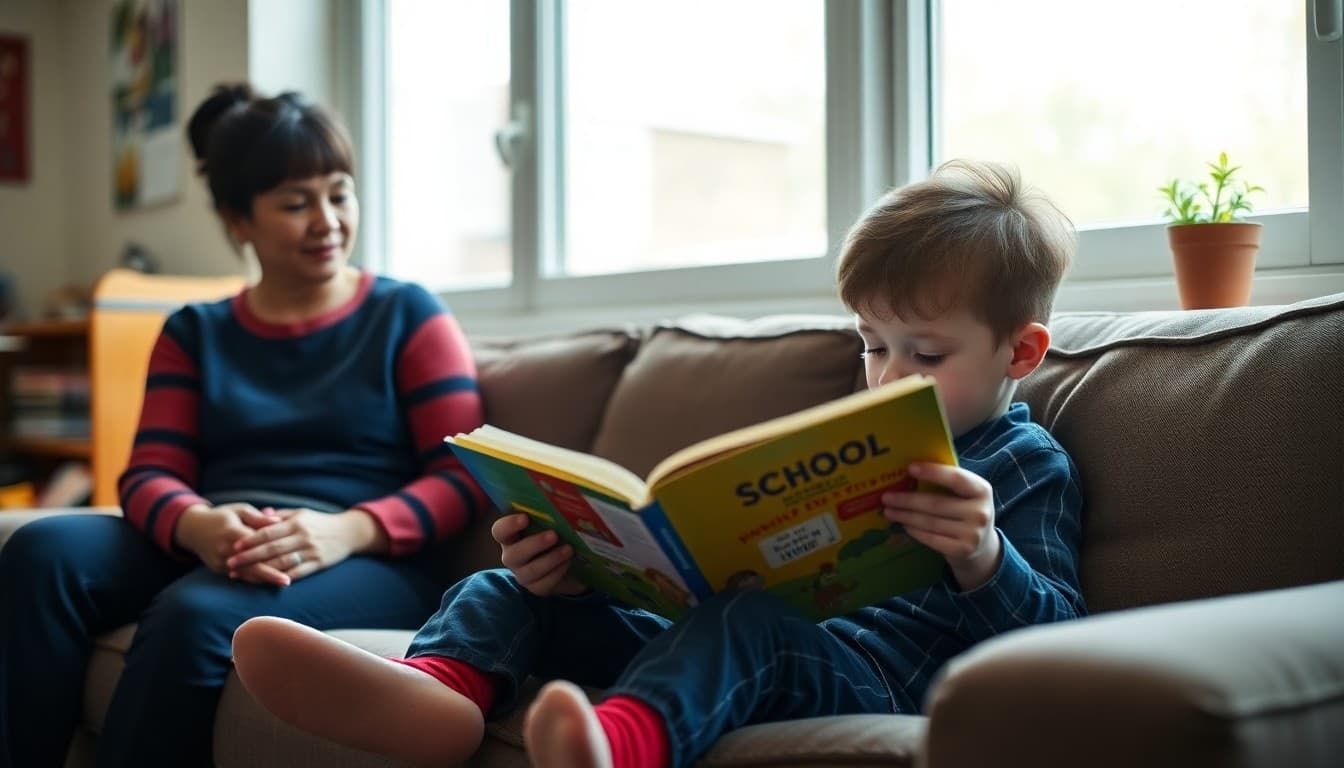
Teacher Newsletter for Read-a-Thon: Drive Pledges and Reading Time
A read-a-thon is one of the few school fundraisers where the activity itself is the goal. Students do not sell anything or run a race. They read. And families sponsor that reading. The newsletter you send to launch and support the campaign needs to build excitement around both the fundraising goal and the reading habit, because both matter.
Lead with the Reading Goal, Not Just the Money
Open your newsletter by framing the read-a-thon as a reading challenge first. Over the next two weeks, students will track every minute they spend reading. For every minute they read, sponsors contribute a small amount to our classroom fund. The fundraising is real, but the reading is the point. Families respond better to a message that puts their child's growth at the center rather than leading with a financial ask.
Explain the Pledge Mechanics Clearly
Walk through the model step by step. Sponsors commit to an amount per minute or per book before the campaign starts. Students log their reading. At the end of the campaign, pledgers contribute based on the final total. Include a concrete example with numbers. Families who understand exactly how it works are far more likely to reach out to sponsors on their child's behalf.
Clarify What Counts as Reading
Families will ask whether audiobooks count. Whether reading aloud to a younger sibling counts. Whether library time counts. Answer these questions proactively in the newsletter. Give families a clear framework so students do not miss out on legitimate reading minutes and no one feels like they are gaming the system.
Describe the Reading Log Process
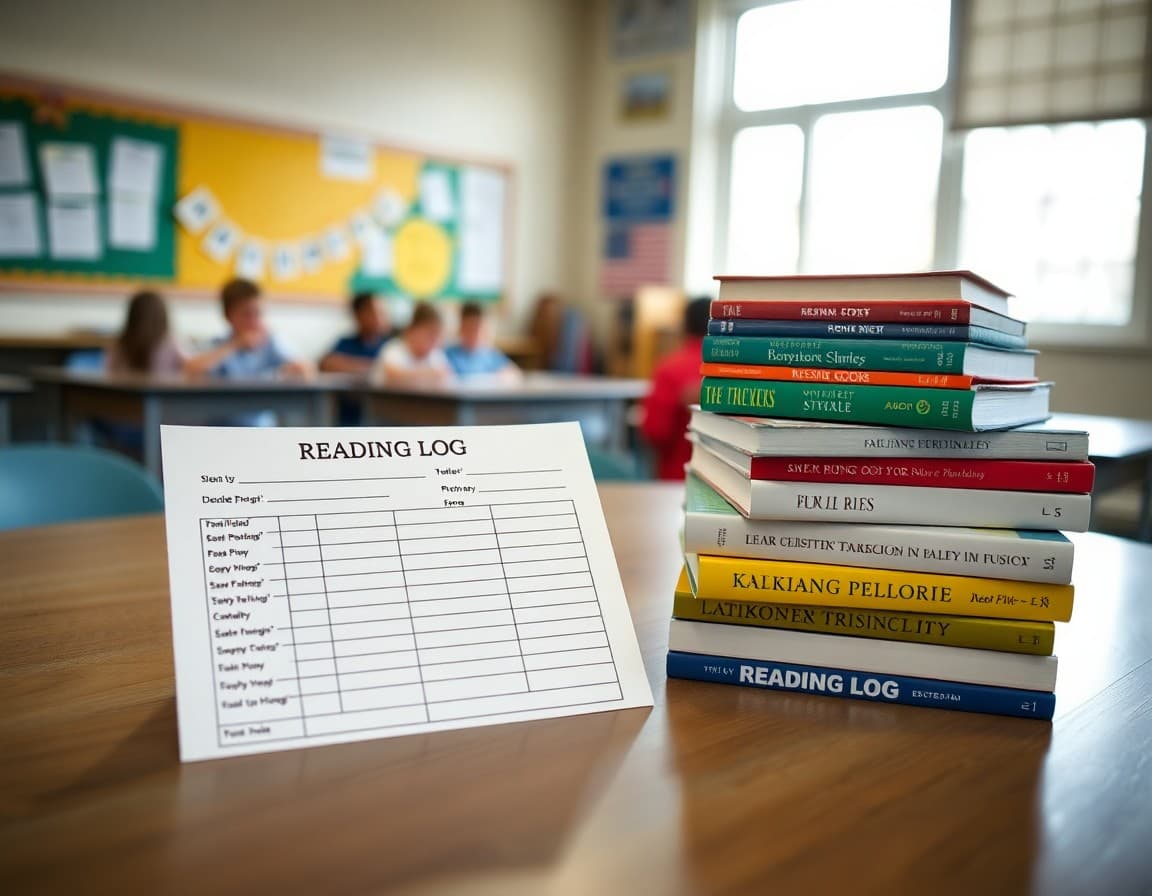
Explain how students track their reading. A paper log sheet with parent signature? A digital platform? An honor-system entry in class each morning? The more concrete you are, the smoother the campaign runs. If you are sending home a log sheet with the newsletter, mention it so families know to look for it.
Share Midpoint Progress
A midpoint newsletter with class reading totals builds momentum. "Our class has logged 847 minutes of reading so far this week" is a number students will go home and talk about. It also gives families who have not yet reached out to sponsors a nudge to do so before the deadline.
Celebrate the Results
The final newsletter should celebrate both the total raised and the total reading minutes accumulated. A class that reads 10,000 minutes over two weeks has accomplished something worth acknowledging, regardless of the dollar amount. Daystage makes it easy to design a celebration wrap-up with both the fundraising result and a congratulations for the reading milestone.
Connect It to Classroom Reading Goals
If your class has a reading goal for the year, tie the read-a-thon to it. Students who are tracking their reading for the fundraiser often continue the habit after the campaign ends. Your newsletter can plant that seed: the read-a-thon is practice for the reading life we are building all year.
Get one newsletter idea every week.
Free. For teachers. No spam.
Frequently asked questions
What makes a read-a-thon different from other school fundraisers?
A read-a-thon ties the fundraising directly to an academic habit. Students earn pledges by reading, not by selling products or running laps. Families sponsor per minute or per book read during the campaign period. The dual benefit is that students raise money and build reading stamina at the same time.
How do I explain the pledge model in the newsletter?
Be specific about the unit of measurement. Is pledging done per minute read, per book completed, or as a flat donation? Walk through a concrete example: if your child reads 90 minutes over the campaign and a sponsor pledges $0.10 per minute, that is a $9 donation. Simple math builds confidence.
How long should a read-a-thon campaign run?
One to two weeks is standard. Enough time for students to accumulate meaningful reading minutes without the campaign dragging on so long families disengage. Your newsletter should name the start and end dates clearly so families know the window for logging reading time.
How do students track and report their reading?
Most read-a-thons use a reading log sheet that students fill in daily and parents sign. If your school uses a digital platform, include the link in the newsletter. Explain whether audiobooks, classroom reading, and independent reading all count, since families will ask.
What tool helps teachers send newsletters efficiently?
Daystage is well-suited for read-a-thon communications. You can design a launch newsletter with pledge instructions, a midpoint update with progress totals, and a wrap-up with final stats, all sent quickly to your full parent list without needing separate tools for each message.

Adi Ackerman
Author
Adi Ackerman is a former classroom teacher and curriculum writer with 8 years in K-8 schools. She writes about school communication, parent engagement, and what actually works in real classrooms.
More for Classroom Teachers
Teacher Newsletter for Walk-a-Thon: Build Excitement and Drive Pledges
Classroom Teachers · 6 min read
Reading Updates in Classroom Newsletters: What Parents Want to Know
Classroom Teachers · 5 min read
Teacher Newsletter for Summer Reading List: Keep Students Reading All Summer
Classroom Teachers · 6 min read
Ready to send your first newsletter?
3 newsletters free. No credit card. First one ready in under 5 minutes.
Get started free