

How to Write a Project Due Date Reminder Newsletter to Parents
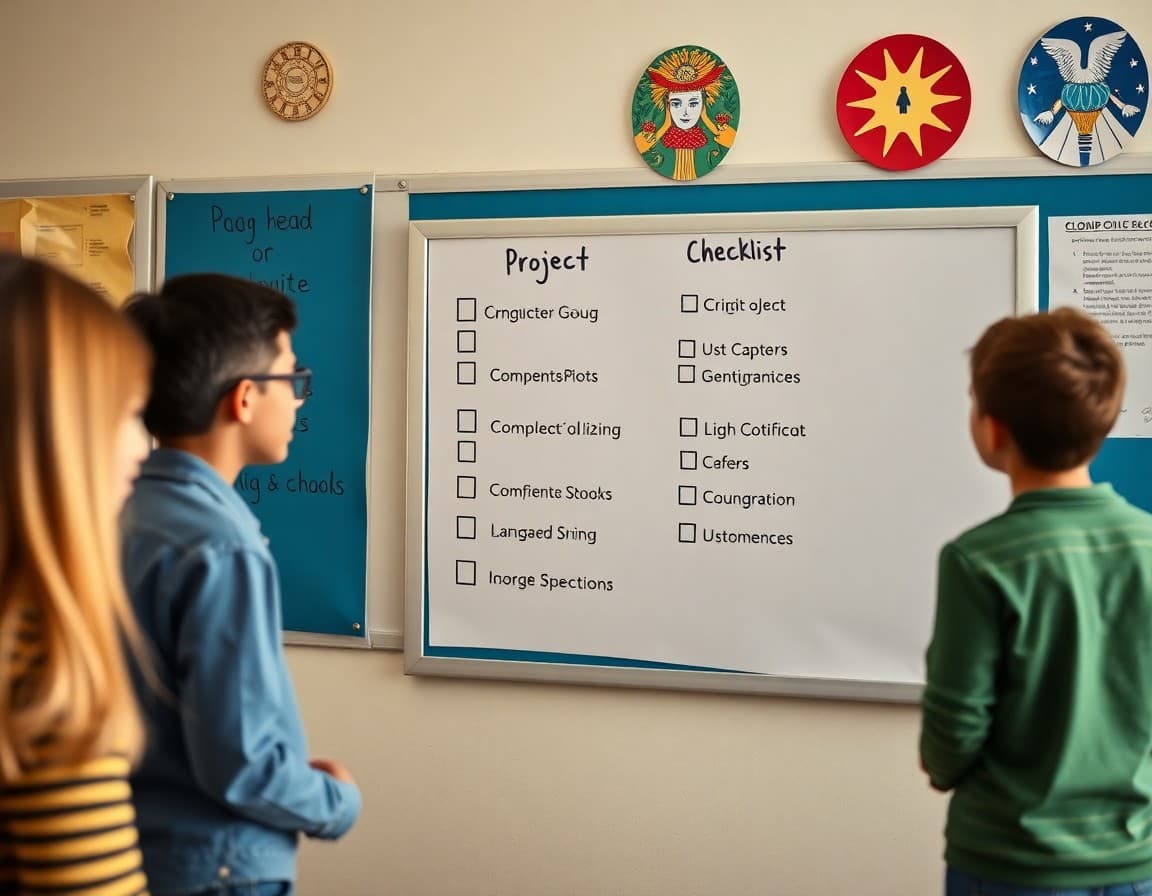
It is the night before the project is due. A parent emails you at 9pm asking what the requirements are. Their student insists they did not know about it. You sent a newsletter two weeks ago with every detail. None of that helps you now. Project reminder newsletters do not just inform families. They create the documentation trail that makes these conversations unnecessary.
Send the first reminder when the project is assigned
Do not wait until the week before. When a project is assigned in class, send a newsletter that same day or the next. Include the full overview: what the project is, what it requires, the deadline, and what portion will be done in class versus at home. Families who know about the project from day one are not blindsided by it on day fourteen.
Describe exactly what needs to happen at home
Many parents do not know which parts of a project require home time. Be specific. "The research phase and the rough draft will be completed in class. The final poster or presentation board and any materials for the visual component need to be assembled at home. Here is the materials list." Families who know exactly what they are responsible for plan accordingly. Families who are vague about their role scramble at the end.
Include the full rubric or a clear description of expectations
Families who do not know what good looks like produce projects that miss the mark in predictable ways. Attach the rubric, link to it, or summarize the three to five criteria that matter most. "Projects are evaluated on organization, evidence of research, visual clarity, and the quality of the conclusion. Strong projects have at least three sources cited." That guidance helps families direct their students even if they cannot do the project for them.
Send a follow-up reminder three to four days out
Your first reminder does the preventive work. Your second reminder activates the families who meant to plan but did not. Keep it short. "Just a reminder that the [project name] is due [day]. Here is what students should have ready: [brief checklist]. If your student needs support, I am available [time/place]." Four sentences, done.
Be transparent about late work policy
Your newsletter should state the late work policy plainly rather than leaving families to guess. Whatever your policy is, being clear about it in advance means fewer arguments about it afterward. A family who knew the policy and still missed the deadline has less ground to stand on than a family who claims they were never told.
Offer last-minute support access
A brief mention of where students can get help in the final days before the deadline is useful. "If your student is struggling with any part of the project, I have extra help sessions Tuesday and Wednesday this week. They can also email me questions in the evening and I will respond by morning." Families who know help is available are less likely to let their student sink on a hard project.
Celebrate the work after it is submitted
Your post-submission newsletter mention is underused. "We finished presenting all of our research projects this week. The class did excellent work and I am proud of what they put together." This closes the loop for families and creates the kind of positive association with project work that makes the next project newsletter more welcome.
Daystage lets you schedule your project reminder newsletters in advance so the two-week-out and the final-reminder both go out automatically once you set them up. You assign the project and the communication handles itself.
Get one newsletter idea every week.
Free. For teachers. No spam.
Frequently asked questions
What should I include in a project due date reminder newsletter?
The project name, the due date, what the project requires, what work has already been done in class, what still needs to happen at home, and what resources students have available. Also address late work policy if you have one.
How far in advance should I send a project due date reminder?
Two reminders work well: one about two weeks out when the project is introduced and one three to four days before the deadline. The first reminder lets families plan. The second reminder activates families who forgot.
How do I handle families who claim they never received the project information?
Consistent written communication via newsletter creates a paper trail. When you can point to the newsletter you sent on [date] with the project details, the conversation changes. Families who see the communication history understand the information was available even if they missed it.
What should I include about late work in a project reminder newsletter?
Be direct and specific. 'Projects turned in after [date] will receive partial credit' or 'late projects will be accepted with prior communication' or 'the deadline is firm.' Ambiguity leads to arguments. Clarity prevents them.
Can Daystage help me send project reminders at the right time?
Yes. You can schedule newsletter sends in Daystage so your two-week-out reminder and your final-week reminder go out automatically once you set them up.

Adi Ackerman
Author
Adi Ackerman is a former classroom teacher and curriculum writer with 8 years in K-8 schools. She writes about school communication, parent engagement, and what actually works in real classrooms.
More for Classroom Teachers
Ready to send your first newsletter?
3 newsletters free. No credit card. First one ready in under 5 minutes.
Get started free