

Teacher Newsletter for Pie in the Face Fundraiser Events
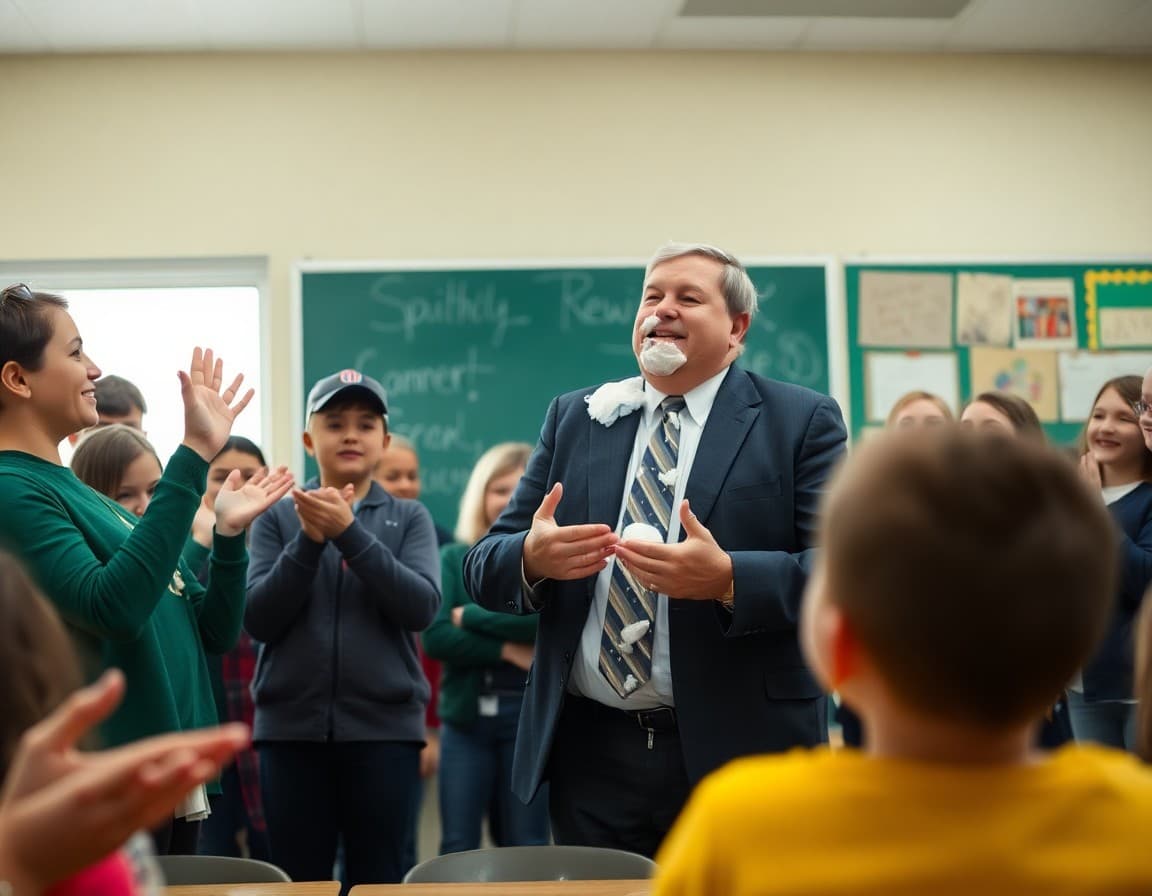
Pie in the face fundraisers are a school classic for good reason. They are low-cost to run, universally entertaining, and they tap into something students genuinely care about: a chance to see their teacher or principal get splattered with whipped cream. Your newsletter is what builds the anticipation and drives the donations that make the event worthwhile.
Introduce the Concept with Energy
Not every family will have participated in a pie in the face fundraiser before. In your newsletter, lead with the fun: students will vote with donations, and the top vote-getter gets pied at a school assembly. Keep the description short and let the concept speak for itself. A sentence or two of enthusiastic framing is all you need before diving into the mechanics.
Explain the Voting and Donation Process
Be specific about how voting works. Is it one vote per dollar donated? Is there a coin jar in the classroom where students drop change? Is there an online form families can share with grandparents? Walk through the process step by step so families can explain it to their children and help them participate. The clearer the instructions, the higher the participation.
Name the Candidates
If staff members have agreed to participate, list them in the newsletter. Parents and students love knowing who is in the running. If you are one of the candidates, say so with humor and a light touch. Nothing motivates a class to fundraise like the chance to pie their own teacher.
Set the Stakes and the Goal
Give families a fundraising target and explain what the money will support. Whether it is a field trip, classroom supplies, or a school-wide program, the purpose grounds the fun in something meaningful. Students who understand the goal work harder at collecting donations from family members.
Build Anticipation with Progress Updates
A midpoint newsletter with live vote totals creates real excitement. Even approximate numbers work: "Mrs. Johnson is currently in the lead with 47 votes, but Principal Davis is close behind with 39." Students go home and report this to their families, who then make another donation to tip the balance. This kind of engagement loop is what makes the fundraiser outperform expectations.
Describe the Event Day Experience
Let families know when and where the pie will be delivered, whether it is at an assembly, in the classroom, or at a school gathering. If families are welcome to watch, say so. If the event will be recorded, mention that so families who cannot attend know they will see it later.
Send a Thank-You With the Final Tally
After the event, send a short wrap-up that names the winner (or loser, depending on how you look at it), the total raised, and what the money will fund. A photo of the pied candidate with whipped cream on their face makes for the best possible newsletter header. Using Daystage, you can get that message out the same day the event happens while everyone is still laughing about it.
Get one newsletter idea every week.
Free. For teachers. No spam.
Frequently asked questions
What should the newsletter say about the pie in the face voting process?
Explain how students vote: whether they donate money per vote, drop coins or bills into a jar, or participate through an online form. Be clear about who is eligible to get pied, how votes are counted, and what the timeline looks like. Transparency about the mechanics makes the fundraiser feel fair and builds more participation.
Should the teacher volunteer to be pied in the newsletter?
If you are participating, say so. Students and families love knowing their teacher is in on the fun. A note like I am one of the staff members in the running this year creates personal investment in the campaign and typically drives more votes from your class specifically.
How do I keep the fundraiser inclusive for families with religious or cultural sensitivities around humor?
Keep the newsletter tone warm rather than slapstick. Frame the event as a community celebration and a way for students to show appreciation through playful participation, not as mockery. Families can participate at whatever level feels comfortable, including not voting, without explanation.
What is a realistic fundraising goal for this type of event?
It varies by school size and campaign length. A typical classroom-level goal might be between $100 and $300. A school-wide event can raise far more, especially with online voting. Set a goal that feels achievable and memorable, then share progress in follow-up newsletters to keep the energy up.
What tool helps teachers send newsletters efficiently?
Daystage makes it easy to send a fun, eye-catching newsletter for events like this. You can embed a vote counter, link to a payment form, add a photo of the candidates, and send to your full parent list in minutes. The format works on phones, which is where most families will read it.

Adi Ackerman
Author
Adi Ackerman is a former classroom teacher and curriculum writer with 8 years in K-8 schools. She writes about school communication, parent engagement, and what actually works in real classrooms.
More for Classroom Teachers
Ready to send your first newsletter?
3 newsletters free. No credit card. First one ready in under 5 minutes.
Get started free