

How to Use Your Teacher Newsletter to Launch a Classroom Pen Pal Program
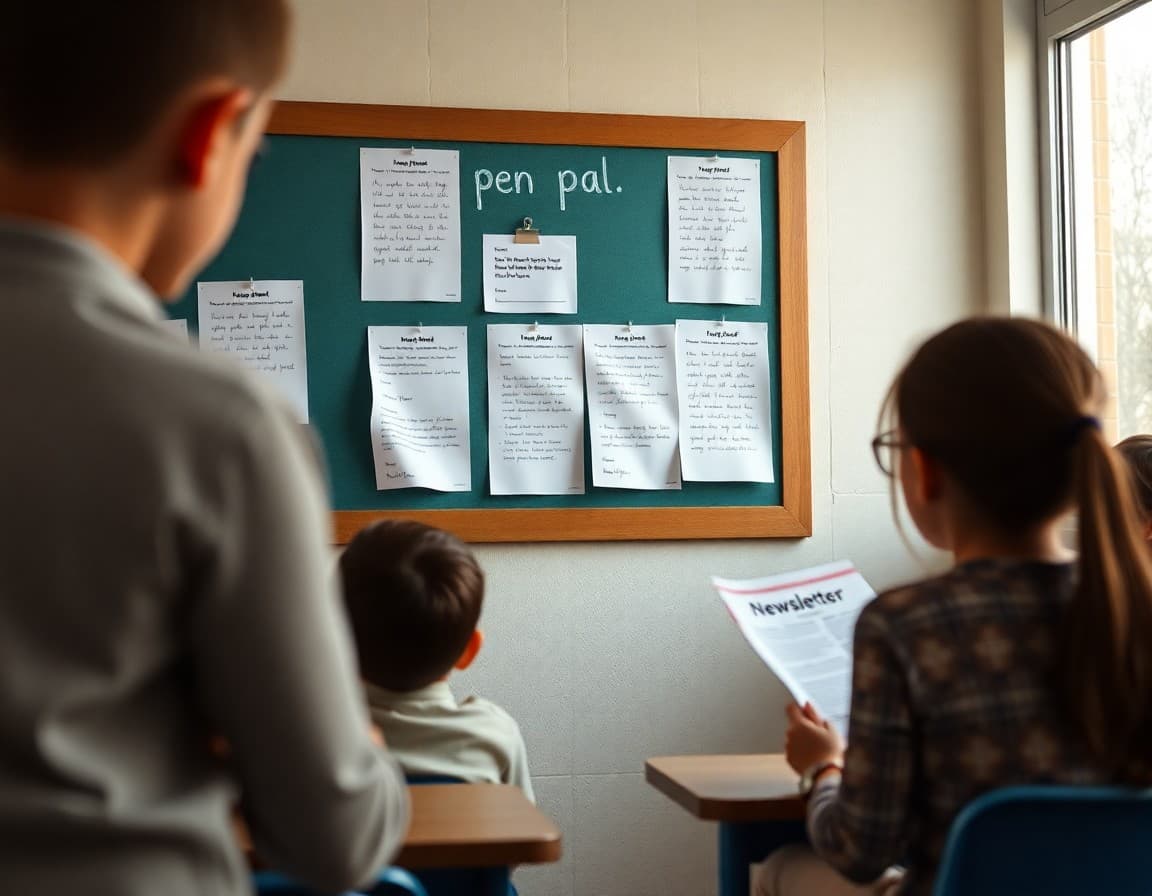
Why Pen Pal Projects Need Strong Family Communication
Pen pal programs are one of those projects that look simple from the outside but involve layers of logistics: coordinating with another teacher, managing mail, timing letter exchanges with your curriculum, and keeping families informed about what their child is working on and why. Your newsletter is the thread that holds all of it together from the parent side.
When families understand the purpose and know what to expect, they support the project at home. They ask their child about the pen pal, help them think of things to write, and get genuinely excited when a reply arrives. Without the newsletter context, it is just a mystery writing assignment.
Introduce the Project Before It Starts
Send a newsletter announcement at least two weeks before the first letter goes out. Explain who the pen pals are (another class in your school, a classroom in a different state, or a partner class abroad), what students will write about, and what the timeline looks like. Answer the safety question preemptively: no home addresses are exchanged, all letters go through school.
This early introduction lets families look forward to the project with their child and sets up the conversations that make the writing feel meaningful.
Connect the Project to Your Curriculum
In your newsletter, explain what skills the pen pal exchange is building. This is not just fun mail. Students practice formal letter writing, learn to consider their audience, read for comprehension and cultural context, and develop their voice as writers. When parents see the academic purpose, they support it more actively and take it more seriously as a home conversation topic.
Share Updates as Letters Are Exchanged
Each time a round of letters goes out or comes in, include a brief update in your newsletter. A photo of students writing, a description of the theme for this month's letters, or a quote from a student about what they learned from their pen pal's last letter brings the project to life for families who are not in the room. These updates keep the energy going across the whole program, not just the first week.
Handle Address and Privacy Details Clearly
Parents may have concerns about their child's information being shared with an unknown classroom. Address this directly in your newsletter. Explain that letters are sent to the school address, that you review all correspondence before it reaches students, and that no identifying personal information is included. Being upfront about safety prevents the questions and concerns that slow a project down mid-execution.
Invite Family Participation at Home
Include a prompt in your newsletter that families can use to spark a conversation at home. "Ask your child what they plan to tell their pen pal about this month" or "Ask to hear the letter they received last week" gives parents a natural entry point without requiring any preparation on their end. These home conversations add depth to what students write in class.
Close the Project With a Reflection
When the pen pal exchange ends, include a closing update in your newsletter. Share what the class learned, any favorite moments from the correspondence, and whether students will have a chance to connect again. This closing chapter acknowledges the project as a real experience rather than a task that just stops. Families who followed along all year appreciate the sense of completion.
Get one newsletter idea every week.
Free. For teachers. No spam.
Frequently asked questions
What grade levels benefit most from classroom pen pal programs?
Second grade through fifth grade tend to get the most from pen pal exchanges. Students are independent enough writers to compose their own letters but still excited by the novelty of receiving mail from a real person their own age.
How do I find a pen pal classroom for my students?
Platforms like PenPal Schools and Empatico connect classrooms internationally. For domestic exchanges, your school district's professional learning network is often the fastest path to a willing partner classroom.
How often should students exchange letters?
Once per month is a sustainable pace for most classroom schedules. It builds anticipation without creating a logistical burden. Your newsletter can remind families when a letter exchange is coming up so students can start thinking about what to write.
What should I include in the newsletter when introducing the pen pal program?
Explain the purpose, name the partner classroom or country if known, describe what students will write about, and note how letters will be sent. Let families know there are no personal home addresses involved and that you are managing the correspondence.
How does Daystage help teachers communicate pen pal program updates?
Daystage makes it easy to include photos of student letters, photos of received replies, and a short update in each newsletter. Families get a visual record of the project without teachers having to manage a separate communication channel.

Adi Ackerman
Author
Adi Ackerman is a former classroom teacher and curriculum writer with 8 years in K-8 schools. She writes about school communication, parent engagement, and what actually works in real classrooms.
More for Classroom Teachers
Ready to send your first newsletter?
3 newsletters free. No credit card. First one ready in under 5 minutes.
Get started free