

How to Write a Math at Home Tips Newsletter for Families
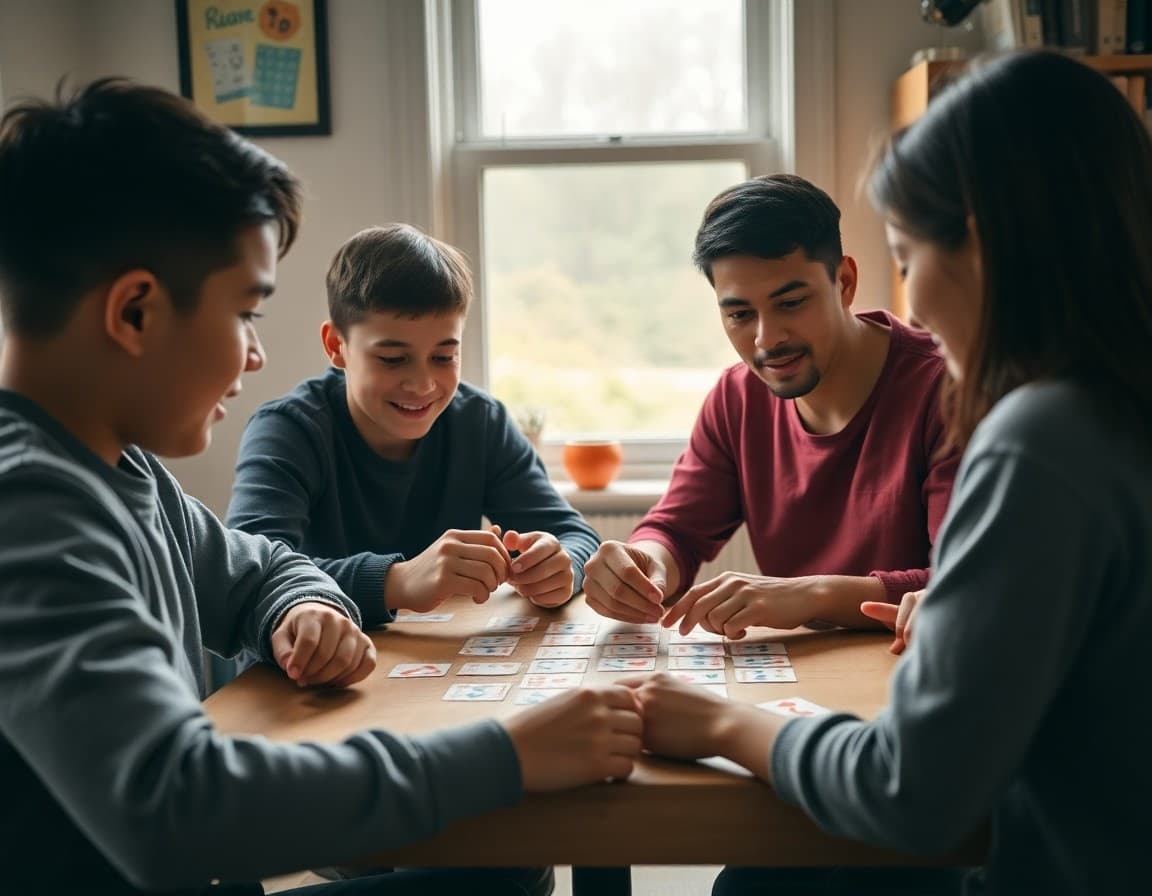
Math at home newsletters work best when they move families out of the "math is something we do at a desk with a worksheet" frame and into the realization that math is happening all day, in every room of the house. The cooking, the shopping, the game-playing, the scheduling, the building. A newsletter that surfaces this reality turns math practice from a separate obligation into something that fits naturally into life.
Open by reframing what math at home means
Start by expanding the definition. Math at home is not just homework help or flashcard drills. It is the measurement judgment when adding ingredients to a recipe. It is the mental addition when calculating whether there is enough money to buy something at the store. It is the spatial reasoning when building with blocks or assembling furniture. Families who see these activities as math have many more opportunities to practice every day.
Connect to the current unit
Tell families what your class is working on right now and suggest activities that connect directly to it. If students are building multiplication fluency, a card game that involves skip counting or equal groups reinforces the same concept in a different format. If the class is studying measurement, cooking together becomes a math lesson with a delicious outcome. Specificity makes the suggestions immediately actionable.
Suggest three to five specific activities
Do not overwhelm families with a long list. Choose three to five activities that are accessible, require minimal preparation, and connect to current learning. Count change together when paying for something. Estimate how long a drive will take and compare the estimate to reality. Play a dice game where players race to reach 100. Double a recipe together. Each of these activities is genuine math practice disguised as family time.
Recommend math games specifically
Games deserve their own section because they provide high-engagement, repeated math practice with zero worksheet energy. Card games, dice games, and board games all involve real math. Name a few specific games families can find online or at the dollar store. Make it easy for families to act on the recommendation rather than having to figure out what game to buy or download.
Address math anxiety in the home
Some families will be reluctant to engage with math at home because they carry their own negative math experiences. Your newsletter can speak to this directly. The most useful thing a parent can do is model curiosity and persistence rather than expertise. A parent who says "I am not sure, let's figure this out together" is providing exactly the mindset you want students to bring to math class.
Talk about the "I'm done" conversation
Some students rush through homework to get it over with. Give families language for extending math thinking without creating conflict. "Can you explain how you got that?" and "Is there another way to solve it?" extend thinking without requiring parents to know whether the answer is right. Process questions are always valid regardless of the answer.
Note the limits of online math apps
Many families default to math apps as their at-home support. These can be useful for fact fluency practice but they do not replace real-world problem solving or the kind of math conversation that builds number sense. Your newsletter can note this briefly: apps are fine for fact practice, but activities involving estimation, measurement, and reasoning are what build the deeper mathematical thinking your class is working on.
Daystage makes it easy to send a math at home newsletter at the start of each major unit so families always have current, relevant activities to try. Consistent connection between school math and home life compounds into real skill development over the year.
Get one newsletter idea every week.
Free. For teachers. No spam.
Frequently asked questions
How do I help families support math without making it feel like homework?
Frame every suggestion around activities that already happen in family life. Cooking together involves measuring and fractions. Shopping involves estimation and money. Board games involve counting, probability, and strategy. These are not supplemental math activities. They are math happening in context, which is often more effective than a worksheet because the purpose is real.
What if a parent says they are not good at math?
Your newsletter can directly address this. The best thing families can do is approach math problems with curiosity rather than certainty. 'I am not sure, let's figure it out together' is genuinely useful modeling. Parents do not need to know the answers. They need to model the process of thinking through a problem.
What games build math skills at home?
Card games like War (comparing numbers), 21 (addition to a target), and Cribbage (scoring with number combinations) are strong options. Board games like Yahtzee, Farkle, and Monopoly involve real math in meaningful contexts. Many free apps also offer research-supported math practice in game formats.
How do I connect at-home math to what students are studying in class?
Name the current unit in your newsletter and suggest activities that connect to it directly. If the class is studying multiplication, suggest a card game that involves repeated addition or skip counting. If the focus is fractions, suggest a cooking activity that uses measurement. Relevant connections make the at-home practice feel purposeful.
What tool helps teachers send math at home newsletters?
Daystage makes it easy to send a math at home newsletter with specific activity ideas organized by the current curriculum unit so families have relevant, actionable support throughout the year.

Adi Ackerman
Author
Adi Ackerman is a former classroom teacher and curriculum writer with 8 years in K-8 schools. She writes about school communication, parent engagement, and what actually works in real classrooms.
More for Classroom Teachers
Ready to send your first newsletter?
3 newsletters free. No credit card. First one ready in under 5 minutes.
Get started free