

Teacher Newsletter for Market Day: Economics Learning in Action
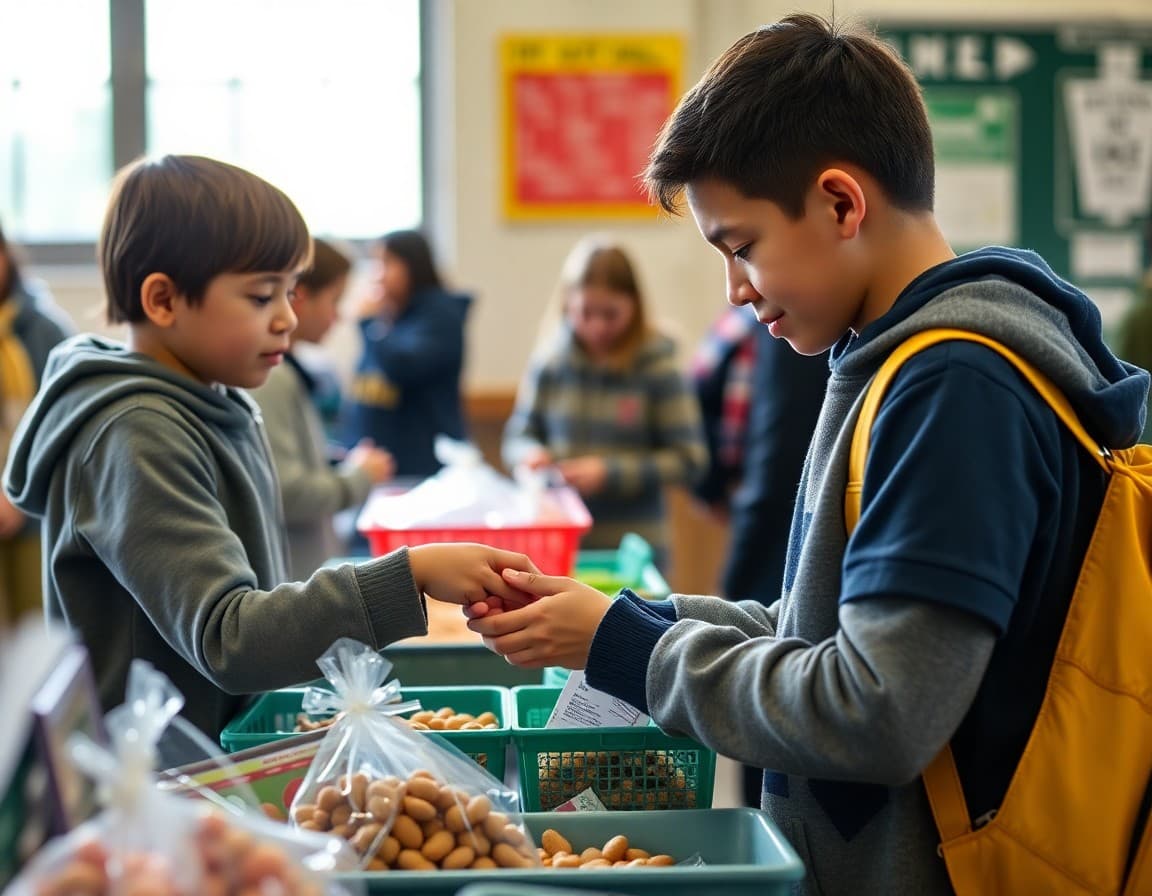
Market day is the kind of project students remember because it involves real stakes: real products, real customers, real transactions. When students set prices, make change, handle customer interactions, and calculate profit, they experience economics in a way that no worksheet can replicate. Your newsletter is what prepares families to be the right kind of audience for that experience.
Describe What Students Built or Made
Open the newsletter by describing what students created for the market. Handmade goods, food items if school policy allows, services, informational products, or small crafts. Naming what students produced gives families a picture of the project scope and helps them ask specific questions about their child's product rather than a generic "how did market day go?"
Explain the Economic Concepts at Work
Market day is applied economics. Students set a price by thinking about production cost plus desired profit. They discovered whether demand matched supply when the market opened. They managed their materials (production inputs) and competed for customers. Your newsletter can name two or three of these concepts with the vocabulary students used so families can reinforce the language at home.
Tell Families If They Are Invited to Shop
If families can attend market day as customers, describe the process: when doors open, how currency works, any guidelines about how much to spend per booth. Family customers create real demand for student products and make the market day experience significantly more authentic. If families are not attending but students will be shopping with each other, explain that version of the market instead.
Describe the Reflection Process
After market day, students debrief: what worked, what they would do differently, how much they earned versus how much they spent on materials, and what they learned about pricing and marketing. Your newsletter can mention this reflection so families know their child went through an analytical process after the event, not just a selling experience.
Acknowledge Both Success and Challenge
Some students will sell everything. Others will have products left over. Both are valuable experiences. A newsletter that frames the market as a learning event rather than a competition helps families support their child regardless of the outcome. A student who sold only two items and figured out why is learning something more durable than one who sold out without understanding why.
Celebrate the Entrepreneurial Spirit
A follow-up newsletter that celebrates what students built and learned is worth sending within a day or two of the event. Using Daystage, you can include a market day photo and a brief reflection on what the project demonstrated about student creativity and economic thinking. Families who receive that message leave the unit feeling proud of their child and connected to the learning.
Get one newsletter idea every week.
Free. For teachers. No spam.
Frequently asked questions
What should a market day newsletter explain to families?
Describe what a market day is, what students created or sold, how pricing and transactions worked, what economic concepts the project addressed, and whether families are invited to shop or attend. Include the date and logistics if families will be present.
What economic concepts does a market day project teach?
Supply and demand, profit and loss, pricing strategy, the role of production costs, marketing, and customer service are all natural elements. Depending on grade level, students might also explore competition, scarcity, and trade-offs. Naming these in the newsletter gives families the academic vocabulary to use with their child.
Should families bring money to market day?
If the market involves real transactions, clarify the currency: class dollars, play money, or actual currency. If real money is involved, name the expected amount and how proceeds will be used. If family shoppers use play currency provided by the teacher, explain that process so families arrive prepared.
How do I handle students whose products did not sell well?
Market day outcomes vary and that is part of the lesson. Your newsletter can acknowledge this after the event: students experienced firsthand that market success depends on many factors, and learning from a challenging outcome is as valuable as celebrating a profitable one. Frame it as a real economics lesson.
What tool helps teachers send newsletters efficiently?
Daystage makes market day newsletters visually engaging. You can include photos of students setting up their booths, a description of the economic concepts covered, and family shopping instructions in one polished message.

Adi Ackerman
Author
Adi Ackerman is a former classroom teacher and curriculum writer with 8 years in K-8 schools. She writes about school communication, parent engagement, and what actually works in real classrooms.
More for Classroom Teachers
Ready to send your first newsletter?
3 newsletters free. No credit card. First one ready in under 5 minutes.
Get started free