

Teacher Newsletter for Khan Academy: Set Up Students for Home Practice
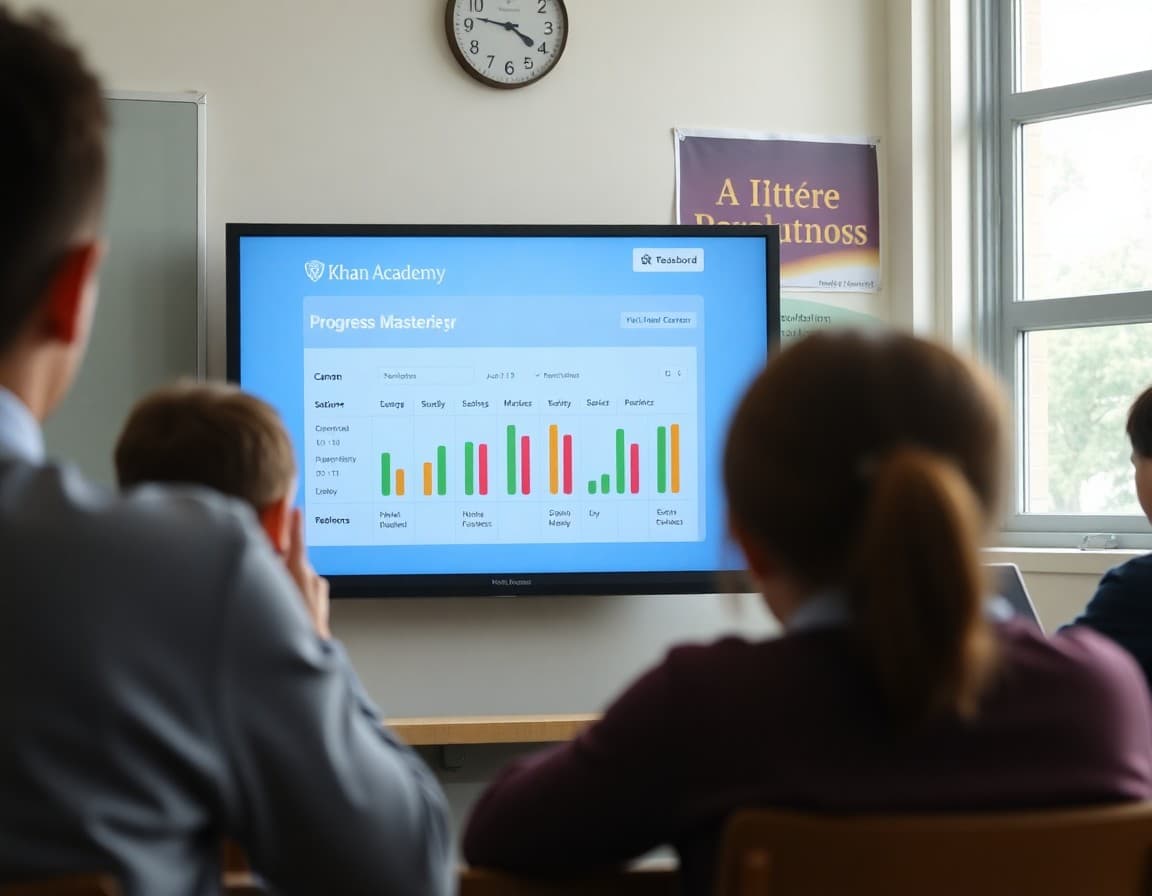
Khan Academy is one of the most powerful free learning tools available to any classroom. But a student who has an account and no guidance from home often uses it inconsistently or not at all. Your newsletter is what turns a classroom-assigned platform into a genuine home practice habit.
Introduce Khan Academy and What It Does
Khan Academy is a free, nonprofit learning platform that adapts to each student's level. It provides short instructional videos, practice problems, and immediate feedback on each answer. The platform tracks mastery as students progress through skill sequences. Students have a class account linked to your teacher view, so you can monitor which skills they are working on and how much time they are spending on practice.
Explain the Specific Use in Your Class
Name exactly what your students are using Khan Academy for. Fifth-grade math facts and fractions? Third-grade multiplication through division? A grammar unit? The more specific you are, the more intentional families can be about encouraging their child to work in the right areas. Include any current assignment or recommended skill sequence.
Walk Through the Home Login Process
Students log in through khanacademy.org with their student account credentials. If your school uses Google sign-in, mention that. If students were given a paper with their login details, remind families to find it. A brief one-paragraph login walkthrough prevents the common situation where a student says they cannot find the site and the practice session never happens.
Set Up a Parent Account
Khan Academy allows families to link a parent account that provides a progress dashboard. Your newsletter should include a direct link to the family account setup page and a brief description of what families will see: skill mastery percentages, time on task, and any areas where their child is struggling. Families who can see the data encourage practice differently than families who rely on a daily "did you do your Khan Academy?" question.
Recommend a Weekly Practice Schedule
Give families a specific recommendation: 15 to 20 minutes of practice, three to four times per week, is enough to see meaningful skill improvement. Open-ended encouragement to "practice when you can" is less effective than a specific suggested schedule. Families who plan the practice time in advance are more likely to follow through than those who leave it flexible.
Acknowledge the Engagement Features
Khan Academy includes an energy point system and badges that students can earn through practice. For many students, these motivators are effective. Mentioning them in the newsletter gives families a conversation opener when encouraging practice: "how many energy points did you earn today?" Using Daystage, you can include a screenshot of the progress dashboard in your newsletter so families know what to look for when they check in on their child's account.
Get one newsletter idea every week.
Free. For teachers. No spam.
Frequently asked questions
How should a Khan Academy newsletter explain the platform to families?
Describe it as a free, personalized learning platform that adjusts to each student's level and provides video explanations, practice problems, and progress tracking. Note that students have a class account and that you can see their practice data. Families who understand the platform's structure use it more intentionally.
What grade levels and subjects does Khan Academy cover?
Khan Academy covers math from kindergarten through calculus, as well as science, grammar, computing, history, and test prep. For elementary classrooms, the primary use is typically math practice. Your newsletter should specify which subject and grade level your class uses it for so families set up their expectations correctly.
Can families add a parent account to track their child's progress?
Yes. Khan Academy supports parent accounts linked to a student account. Families can see which skills their child has practiced, mastery levels, time spent, and where they are struggling. Your newsletter should include instructions for setting this up. Families who track their child's progress are more likely to encourage consistent home practice.
How much time should students spend on Khan Academy at home?
A suggested minimum of 15 to 20 minutes per session, two to three times per week, is enough to see meaningful skill development. Your newsletter should state your specific recommendation so families have a clear expectation rather than leaving it entirely open-ended.
What tool helps teachers send newsletters efficiently?
Daystage is a great fit for Khan Academy rollout newsletters. You can include setup instructions, a parent account link, practice time recommendations, and the specific skills you want students to work on, all in one organized message.

Adi Ackerman
Author
Adi Ackerman is a former classroom teacher and curriculum writer with 8 years in K-8 schools. She writes about school communication, parent engagement, and what actually works in real classrooms.
More for Classroom Teachers
Teacher Newsletter for Online Learning Tools: Help Families Navigate EdTech
Classroom Teachers · 6 min read
Math Curriculum Overview in Your Classroom Newsletter: What Parents Need to Know
Classroom Teachers · 6 min read
Teacher Newsletter for ClassDojo Portfolio: Share Student Work Digitally
Classroom Teachers · 6 min read
Ready to send your first newsletter?
3 newsletters free. No credit card. First one ready in under 5 minutes.
Get started free