
How to Write a Foster Family Newsletter from a Teacher
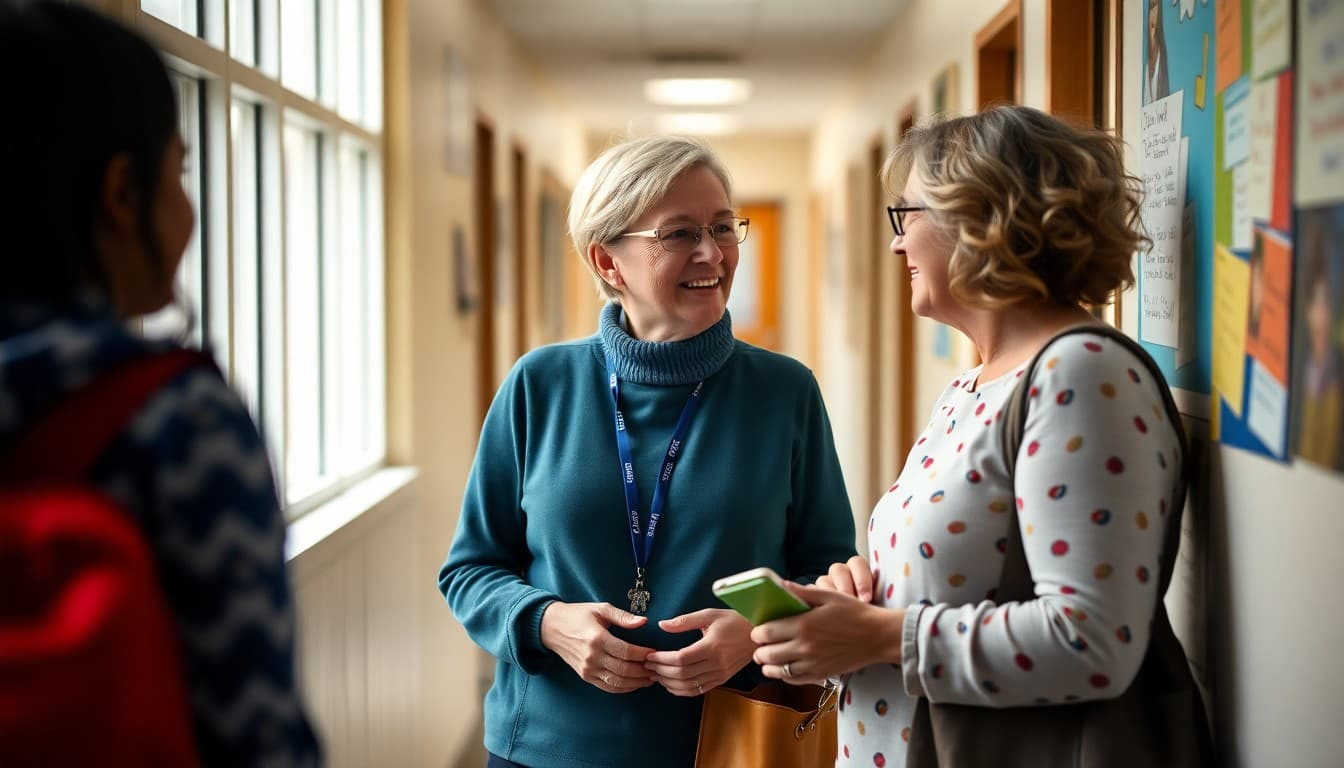
Foster family newsletters require the same combination of warmth and clarity that every family communication requires, with added awareness of a context that many teachers have never navigated before. A foster caregiver may have received a student with very little notice, may not know the student's academic history, and may be managing a great deal of complexity beyond the school relationship. Clear, consistent communication from you gives them the information they need to be a genuine partner in the student's education during what is often a very difficult period.
Build the relationship quickly
Students in foster care benefit from having a trusted adult at school who knows them and is reliably glad to see them. A newsletter to a foster family is an opportunity to communicate from the first week that you are that adult. You are paying attention. You are available. You want to work with the family to make school a stable and positive place for this student during a period when stability may be in short supply.
Provide clear academic context
A foster family that has recently received a student may not have their academic records yet and may not know where the student is performing relative to grade level. A newsletter that explains the class curriculum, current units, and any specific academic areas where the student is working hard gives the family useful context. If you have identified areas where the student needs additional support, naming them in private communication rather than waiting gives the family something to work with immediately.
Explain your communication approach
Tell the foster family how you prefer to communicate and how often they can expect to hear from you. A newsletter is one channel. A direct message when something important happens is another. Your availability for a quick call or meeting if they have questions is a third. Foster caregivers who know they can reach you easily and will hear from you regularly are better positioned to support the student than those left wondering whether to initiate contact.
Acknowledge the transition the student is navigating
Without disclosing personal information to anyone else and without making the student feel marked as different, a private communication to a foster family can acknowledge that transitions are hard and that you are paying extra attention to how the student is settling in. This does not require elaborate language. A simple acknowledgment that starting in a new class is a lot to navigate and that you are there to make it easier is genuinely meaningful to caregivers who may wonder whether the school is aware of the context.
Describe the class community
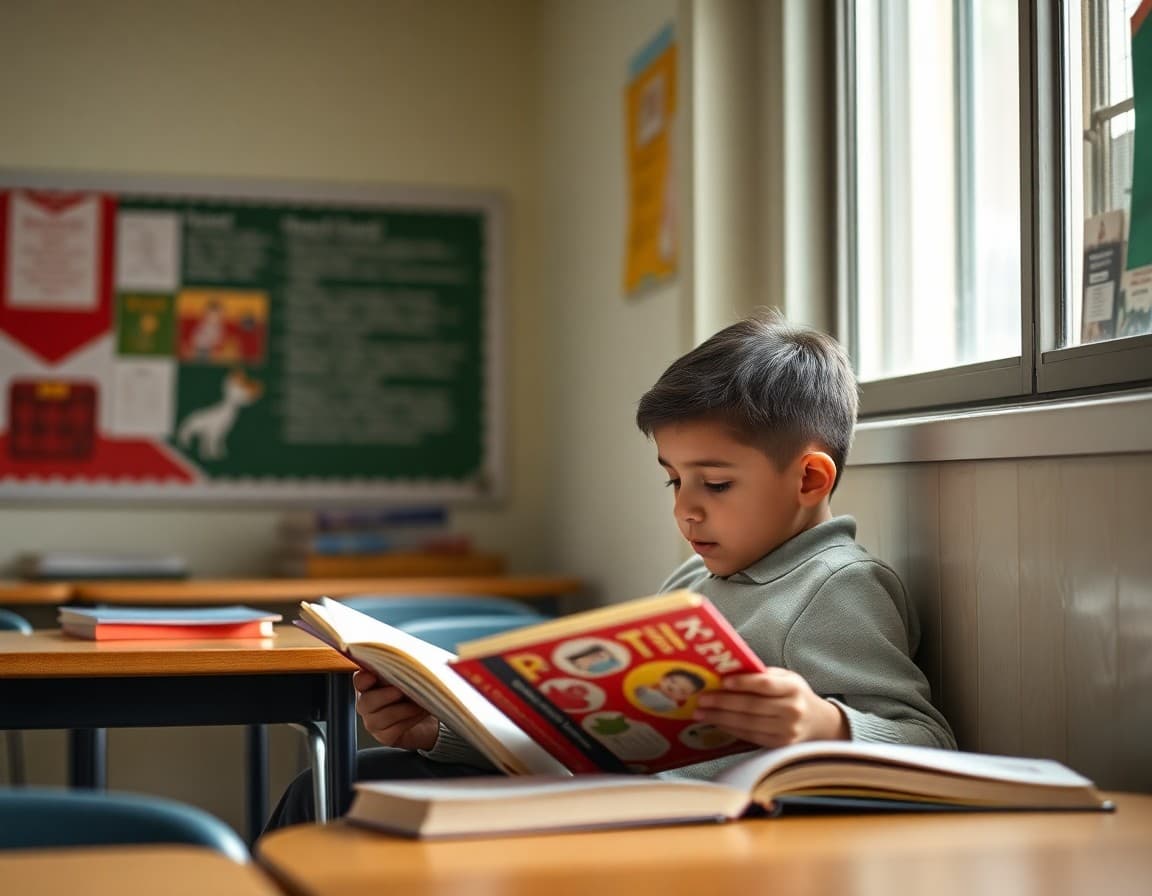
Give the foster family a sense of who their student is spending time with every day. The class culture, the kinds of activities students do together, the social environment. A student who feels like they belong in the class community is more likely to show up emotionally ready to learn than one who feels like a stranger. Describing the community gives the foster caregiver a way to ask their student about specific classmates, activities, or events.
Invite the family to be involved in school life
Foster caregivers sometimes wonder whether they are expected to be involved in school the way a birth parent would be. An explicit invitation to attend events, volunteer for activities, and communicate openly with you removes that ambiguity. Students in foster care benefit from seeing their caregiver engaged with their school life. That engagement signals that the placement is stable and that the caregiver is invested in the student's success.
Handle privacy with care
The student's foster placement is private and should remain so. Your newsletters to the class community should not reveal any family situation information. Communications to the foster family should use their preferred name and contact information. Any questions about legal guardianship, contact permissions, or who is authorized to pick up the student should be addressed through the school office, not through general family newsletters.
Daystage makes it easy to send regular newsletters that keep foster caregivers connected to classroom life so they have the information they need to support a student who is often navigating more complexity than their classmates can see.
Get one newsletter idea every week.
Free. For teachers. No spam.
Frequently asked questions
What should teachers know about communicating with foster families?
Foster families may have been placed with a student recently and may not have complete academic background information. They are navigating a complex system including visits with birth families, court dates, and placement changes that can affect a student's availability and emotional state. Clear, consistent communication from school gives foster caregivers the information they need to support the student effectively.
How do frequent school transitions affect students in foster care?
Students in foster care change schools far more often than their peers, with each transition creating gaps in academic continuity, loss of peer relationships, and the emotional stress of being the new student again. Teachers who understand this context can accelerate relationship-building and provide additional academic support during the adjustment period without making the student feel marked as different.
What privacy considerations apply to students in foster care?
Foster status is private information that should not be disclosed to other students or parents without explicit permission. Teachers should communicate about the student as they would any other student, using the caregiver's preferred contact information and being careful not to ask questions in group settings that would reveal the student's family situation.
How can teachers help a student in foster care feel they belong?
Stable routines, consistent relationship with a trusted adult, acknowledgment of the student's strengths, and a classroom culture that celebrates diverse family structures all help. A student in foster care benefits from knowing they have one reliable adult at school who sees them, knows their name, and is genuinely glad they are there.
What tool helps teachers communicate with foster families consistently?
Daystage makes it easy to send regular newsletters that keep foster caregivers connected to classroom life and help them support a student who may have had limited recent school stability.

Adi Ackerman
Author
Adi Ackerman is a former classroom teacher and curriculum writer with 8 years in K-8 schools. She writes about school communication, parent engagement, and what actually works in real classrooms.
More for Classroom Teachers
Ready to send your first newsletter?
3 newsletters free. No credit card. First one ready in under 5 minutes.
Get started free