
Teacher Newsletter for Field Trip Chaperones: Roles, Rules, and Readiness

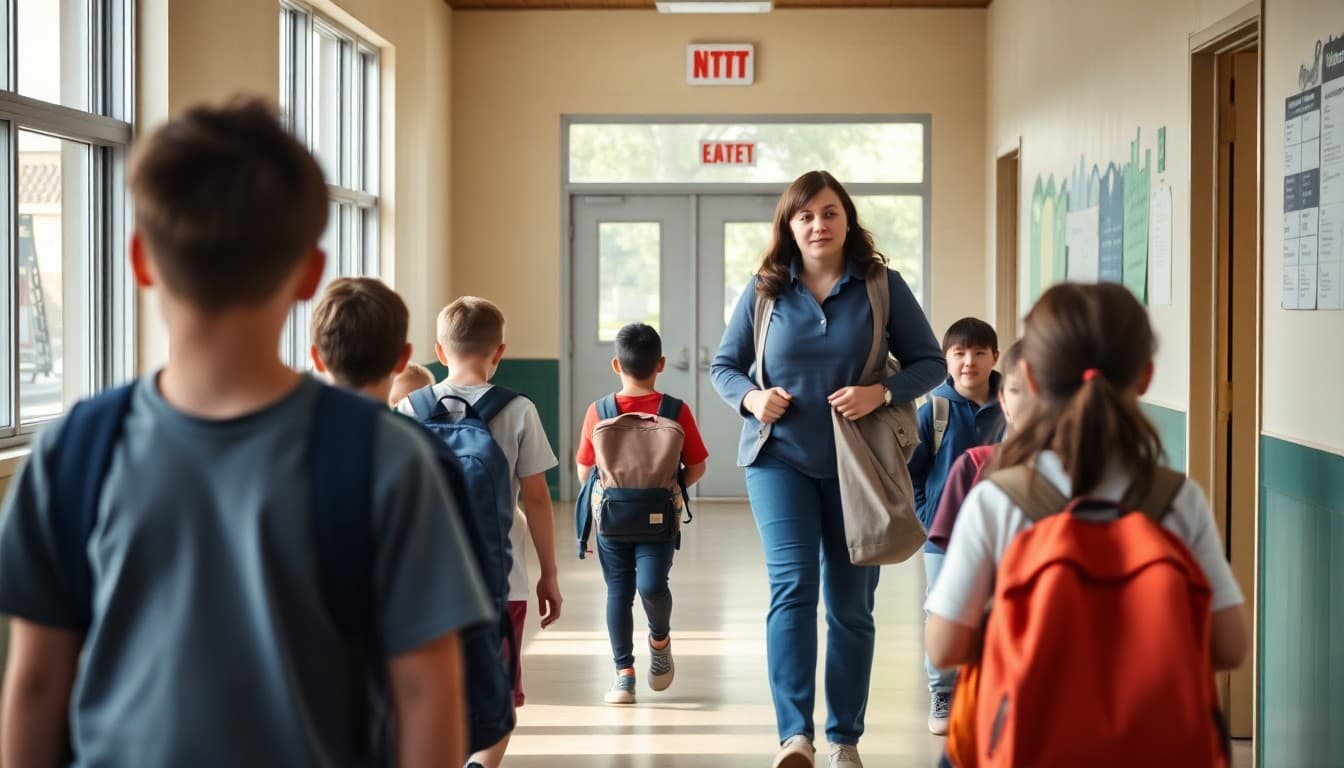
A good field trip chaperone is prepared, present, and clear on their role. Your pre-trip newsletter is what creates all three. Chaperones who receive a thorough briefing before they show up are more confident, more effective, and more enjoyable to work alongside than chaperones who are figuring it out as the day unfolds.
Thank Chaperones Before Anything Else
Open the newsletter with genuine appreciation. Volunteering to chaperone a field trip is a real gift of time and energy. Acknowledging that upfront sets a tone of partnership rather than instruction and makes chaperones feel valued before they even read the logistics.
Define Their Role Clearly
What does a chaperone actually do? Supervise a specific group of students, ensure no one falls behind, redirect behavior as needed, and communicate with the teacher if a problem arises. If chaperones are expected to facilitate learning discussions or lead students through an exhibit, describe that too. Vague role descriptions lead to inconsistent performance.
Explain the Group Assignment
Tell each chaperone how many students they will be supervising and, if appropriate, which students. If you are grouping students in a way that requires a specific adult skill or awareness, handle that individually rather than in the group newsletter. The newsletter can note the number and that assignments will be shared on the day.
Cover the Trip Schedule
Meeting time, departure, arrival, scheduled activities, lunch, return time, and dismissal. Give chaperones the full timeline so they can communicate with their own families about when they will be back and so they arrive knowing what the day looks like. Schedule surprises are the most common source of chaperone frustration.
Set Expectations Around Phone and Sibling Policies
If you ask chaperones to limit personal phone use, explain why. If the destination does not allow additional children, say so early and clearly. These are the two policies most likely to create awkward conversations at the last minute if they are not communicated in advance.
Describe the Emergency Protocol
Every chaperone should know what to do if a student is injured, gets separated, or has a medical episode. Include your cell phone number, the destination contact information, and the first steps they should take. A chaperone who has rehearsed this mentally before the trip is far more capable of handling an actual situation calmly.
Get one newsletter idea every week.
Free. For teachers. No spam.
Frequently asked questions
What should the chaperone newsletter cover?
Include the chaperone role and responsibilities, the number of students they will supervise, behavior expectations for the group, what to do in an emergency, any items to bring or avoid bringing, the trip schedule, and the meeting point and dismissal process. Chaperones who are well-briefed handle challenges better than those who are left to improvise.
How do I set expectations without making chaperones feel micromanaged?
Frame expectations as helpful context rather than rigid rules. A sentence like this helps us make sure every student has a great experience goes further than a list of dos and don'ts. Explain the why behind each key expectation so chaperones understand the reason, not just the rule.
Should chaperones leave their phones in their pockets?
Many teachers ask chaperones to limit personal phone use so they stay fully present with students. If this is your policy, state it clearly and explain why: students who see chaperones fully engaged have a better experience. Frame it as a gift to the students, not a restriction on the adult.
What is the right chaperone-to-student ratio?
This varies by school policy and destination. Name the ratio you have planned in the newsletter so chaperones know how many students they are responsible for. If students have specific needs that affect supervision, communicate that privately with the relevant chaperone, not in the group newsletter.
What tool helps teachers send newsletters efficiently?
Daystage makes chaperone briefing newsletters easy to produce. You can include the trip schedule, group assignments, emergency protocol, and packing list in one organized message sent to confirmed chaperones before the trip.

Adi Ackerman
Author
Adi Ackerman is a former classroom teacher and curriculum writer with 8 years in K-8 schools. She writes about school communication, parent engagement, and what actually works in real classrooms.
More for Classroom Teachers
Ready to send your first newsletter?
3 newsletters free. No credit card. First one ready in under 5 minutes.
Get started free