
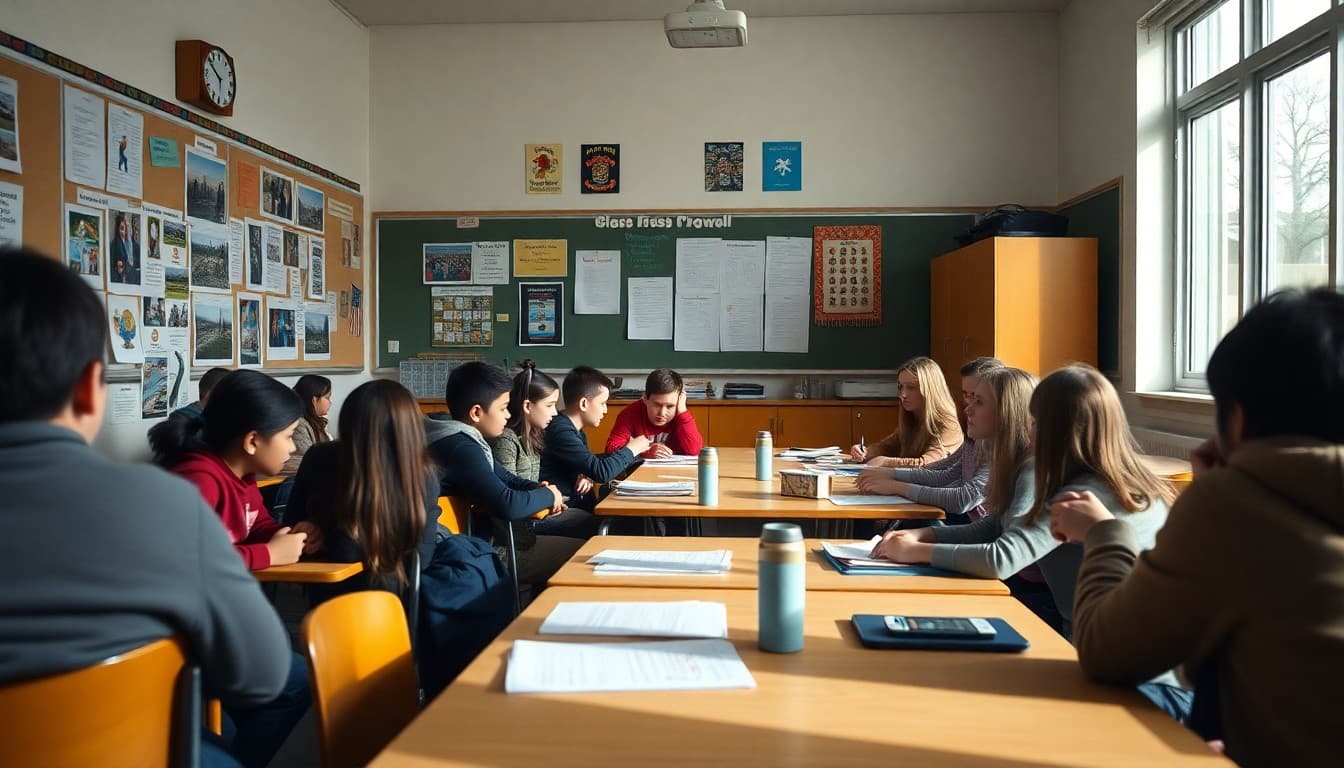
End of First Semester Teacher Newsletter: What to Include

The end of the first semester is one of the most important communication moments in the school year. Families are about to receive report cards, students are going into a two-week break, and the second semester is right around the corner. Your newsletter can close the first half thoughtfully and set up the second half with intention.
Reflect Honestly on the First Semester
Give families a real assessment. Not a celebration of everything, but an honest look at what the class accomplished and what is still developing. Name the growth that happened: reading fluency improvements, the collaborative unit that went well, the moment in November when something clicked for the class as a whole. Name the work that continues: "We are still building writing endurance, and that remains a priority going into January." Honest reflection builds credibility and sets accurate expectations for the report card.
Prepare Families for Report Cards
Tell families when report cards will be distributed and what they will show. If the grading system is standards-based, remind families what the numbers mean. If there is a conference component, tell families now. Give families the context they need to read the report card accurately rather than reacting to isolated numbers without understanding the system.
Celebrate Specific Class Milestones
Name something concrete that the class achieved in the first semester. A project they completed, a skill they mastered as a group, a moment that showed how far they have come since September. "In September, this class struggled to stay focused during a twenty-minute independent reading block. In December, they can sustain forty-five minutes with minimal interruption. That is a real change." Specific celebrations mean more than generic ones.
Give Honest Winter Break Guidance
Tell families what you actually want them to do over break. Sleep. Real rest. Some reading, but not a mandatory log. A break from academics for the first week if possible. Students return from two-week breaks in far better shape when they had genuine rest than when they maintained a full academic schedule. Ask families to protect the break, not productize it.
Preview the Second Semester
Give families a genuine preview of what January through June holds. Major units, significant projects, key assessments. If there is a shift in academic expectations in the second semester, tell families now. "In the second semester, homework volume increases slightly as students prepare for more independent work." That kind of honest preview lets families prepare rather than be surprised.
Address Any Lingering Concerns
If there are class-wide patterns you want to address going into the new year, the end of semester one is a good time to do it. Homework completion, organizational habits, attendance patterns. Name them without blame: "As we head into semester two, the biggest areas where consistent family support will make a difference are daily reading and on-time homework submission."
Close With Something Personal
End the newsletter with a genuine observation about the class. Not a generic "have a great holiday." Something real: what you have noticed about these students, what makes them interesting to teach, what you are looking forward to about the second semester. That kind of close turns a functional newsletter into a real communication from one person to another.
Get one newsletter idea every week.
Free. For teachers. No spam.
Frequently asked questions
What should an end-of-first-semester newsletter include?
Include an honest reflection on the class's growth, key accomplishments, areas still being developed, what report cards will show and when, a preview of second semester priorities, and any winter break expectations you have for families.
How do I reflect on the first semester honestly without being critical of struggling students?
Focus on class-level patterns rather than calling out individual students. 'As a class, we have made strong progress in reading. Writing is an area where we are still building stamina. In math, most students have mastered unit one concepts and are working toward fluency.' That level of honesty is useful and does not single anyone out.
What should I tell families to do over winter break?
Keep it reasonable and specific: maintain a consistent sleep schedule, read for thirty minutes several times a week, and let children have genuine rest. Students who return from break exhausted and sleep-deprived take two weeks to re-stabilize. Ask families to prioritize sleep above everything else.
Should I send individual student reflections at the end of semester one?
If your schedule allows, a one or two sentence personal note for each student alongside the class newsletter is enormously powerful. Families remember specific observations about their individual child. 'This has been a big reading growth month for Maya' takes fifteen seconds to write and is worth more than a paragraph of general class news.
Can I use Daystage to send an end-of-semester newsletter with a second-semester preview?
Yes. Daystage works well for this kind of structured update. You can include sections for first-semester highlights, areas to strengthen, and second-semester preview with key dates. Adding a photo gallery from first-semester activities makes the wrap-up feel celebratory rather than just informational.

Adi Ackerman
Author
Adi Ackerman is a former classroom teacher and curriculum writer with 8 years in K-8 schools. She writes about school communication, parent engagement, and what actually works in real classrooms.
More for Classroom Teachers
Ready to send your first newsletter?
3 newsletters free. No credit card. First one ready in under 5 minutes.
Get started free